


As temperatures are rising, it’s often difficult to get a comfortable night’s sleep, but luckily for you, we have put together 5 top tips to keep you cool this summer.
1. Cool off with a cold shower.
A cold shower takes on a whole new meaning come summertime. Rinsing off under cold water brings down the core body temperature so you can hit the bed feeling cool.
2. Fill a hot water bottle and freeze it.
Freeze water in a hot water bottle, take it to bed with you and place it on ‘cooling points’ on your body: knees, ankles, wrists, neck, groin and elbows.
3. Stick sheets in the freezer.
Stick sheets in the fridge or freezer for a few minutes before bed, ideally in a bag to keep the fridge odour away. This won’t keep you cool all night, but it will provide a brief respite from heat and humidity.
4. Use peppermint oil.
Apply a drop of peppermint on your wrists or inhale before bedtime for better sleep. Peppermint oil helps activate cold-sensitive receptors in the skin. It may also help to beat insomnia.
5. Choose percale bedding.
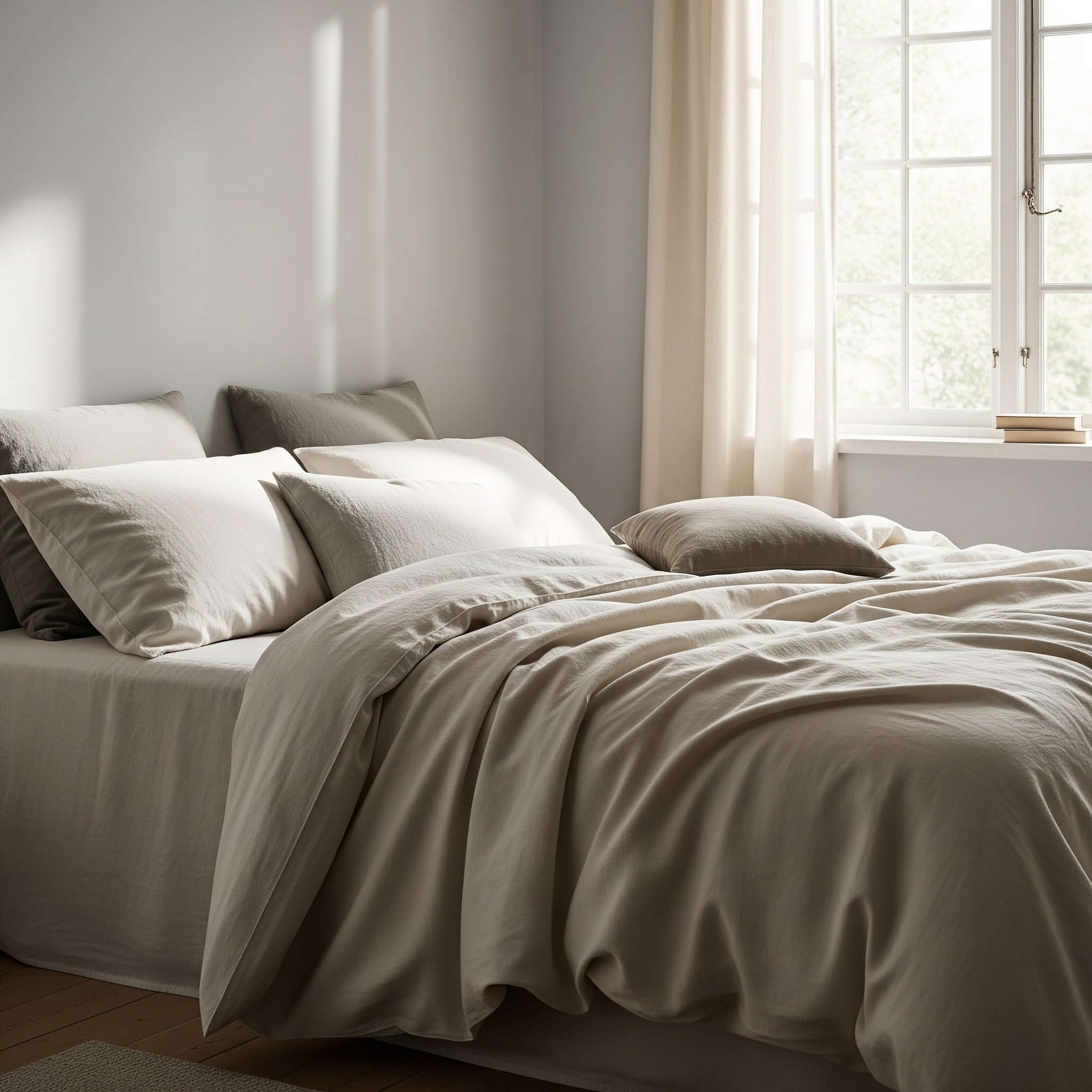
Save the washed cotton for cooler nights. Percale bedding is lighter and is highly breathable, it is better suited for summertime.

Better Sheets, Better Sleep
bedable sheets are made from 100% Cotton. Cotton absorbs perspiration and regulates the body temperature for uninterrupted sleep. Shop 100% Cotton Bedding
Tricks to Beat the Heat in Bed
As the temperature rises, many of us find it increasingly challenging to enjoy a restful night’s sleep. The discomfort of a hot bedroom can lead to tossing and turning, leaving you feeling fatigued and irritable the next day. Fortunately, there are numerous strategies you can employ to create a cooler sleeping environment and enhance your overall sleep quality. Below, we explore effective methods to help you beat the heat and enjoy a more comfortable night’s rest.
Understanding the Importance of Sleep Temperature
The temperature of your sleeping environment plays a crucial role in determining the quality of your sleep. Research indicates that the ideal temperature for sleep typically falls between 16 to 20 degrees Celsius (60 to 68 degrees Fahrenheit). When the temperature exceeds this range, it can disrupt your sleep cycle, leading to increased wakefulness and discomfort.
The Science Behind Sleep Temperature
During sleep, your body undergoes natural temperature fluctuations. As night falls, your core temperature decreases, signalling your body that it’s time to rest. However, if your sleeping environment is too warm, this process can be hindered, resulting in restless nights.
-
Circadian Rhythm: Your body’s internal clock regulates sleep-wake cycles, and temperature is a key factor in this process.
-
Peripheral Skin Temperature: The temperature of your skin can influence your overall comfort level while sleeping.
Understanding these mechanisms can help you implement effective strategies to maintain a comfortable sleep temperature.
Optimising Your Bedroom Environment
Creating a conducive sleep environment is essential for regulating temperature. Here are several strategies to consider:
1. Adjusting Room Temperature
Experts recommend keeping your bedroom at a temperature of around 18 degrees Celsius. If your room tends to heat up during the day, consider using air conditioning or a fan to maintain a cooler atmosphere.
-
Ventilation: Ensure proper airflow by opening windows or using fans to circulate air.
-
Curtains and Blinds: Close curtains during the day to block out sunlight and prevent heat buildup.
2. Choosing the Right Bedding
The materials you choose for your bedding can significantly impact your sleep temperature. Opt for breathable fabrics that allow for better airflow.
-
Natural Fibres: Cotton and linen are excellent choices as they wick moisture away and promote ventilation.
-
Wool Bedding: Surprisingly, wool can help regulate temperature and keep you comfortable throughout the night.
Cooling Techniques Before Bed
Incorporating specific cooling techniques into your bedtime routine can help lower your body temperature and prepare you for sleep.
3. Take a Warm Shower
While it may seem counterintuitive, taking a warm shower before bed can actually help cool your body down. The initial heat from the water raises your body temperature, but once you step out, your body cools down rapidly.
4. Use Cold Compresses
Applying cold compresses to pulse points, such as your wrists and neck, can help lower your body temperature. You can use a cold flannel or even a frozen water bottle for this purpose.
5. Hydrate Properly
Staying hydrated is crucial for regulating body temperature. Drink a glass of water before bed, but avoid excessive amounts to prevent nighttime bathroom trips.
Selecting the Right Sleepwear
What you wear to bed can also affect your comfort level. Choosing the right sleepwear is essential for maintaining a cool body temperature.
6. Opt for Breathable Fabrics
Select sleepwear made from natural fibres like cotton or bamboo, which allow for better airflow and moisture-wicking properties. Avoid synthetic materials that can trap heat.
7. Consider Sleeping Naked
If you’re comfortable with it, sleeping without clothing can help your body regulate temperature more effectively. This allows for better airflow and reduces the likelihood of overheating.
Enhancing Your Mattress and Pillows
Your mattress and pillows can significantly influence your sleep temperature. Here are some tips for optimising these elements:
8. Invest in a Cooling Mattress
If you frequently wake up feeling hot, it may be time to consider a mattress designed with cooling technology. Look for options that incorporate breathable materials and temperature-regulating features.
9. Choose the Right Pillow
Select pillows that promote airflow and are made from breathable materials. Memory foam pillows can retain heat, so consider alternatives like latex or gel-infused options.
Lifestyle Adjustments for Better Sleep
Making certain lifestyle changes can also help you combat overheating at night.
10. Exercise Wisely
While regular exercise is beneficial for sleep, try to avoid vigorous workouts close to bedtime. Exercising in the morning or early afternoon can help regulate your body temperature and improve sleep quality.
11. Limit Alcohol and Caffeine
Both alcohol and caffeine can disrupt your sleep and raise your body temperature. Try to limit consumption in the hours leading up to bedtime.
DIY Cooling Solutions
If you’re looking for creative ways to cool down your sleeping environment, consider these DIY solutions:
12. Create a DIY Air Conditioner
If you don’t have air conditioning, you can make a simple DIY air conditioner by placing a bowl of ice in front of a fan. The fan will blow cool air from the ice, helping to lower the room temperature.
13. Freeze Your Bedding
For an instant cooling effect, consider placing your sheets or pillowcases in the freezer for a short period before bed. This can provide a refreshing sensation as you settle in for the night.
Conclusion
By implementing these strategies, you can create a cooler and more comfortable sleeping environment, allowing you to enjoy restful nights even during the hottest months. From optimising your bedroom temperature to selecting the right bedding and sleepwear, every small adjustment can contribute to a better night’s sleep. Remember, a well-rested body is essential for overall health and well-being, so take the time to beat the heat and enhance your sleep quality.
People Also Asked
How to stop feeling so hot in bed?
To stop feeling hot in bed, optimise your sleep environment by using breathable, lightweight bedding made from natural fibres. Lower your room temperature to around 18°C (65°F) and consider using a fan or air conditioning. Avoid heavy meals before bedtime and try taking a cool shower to lower your body temperature before sleep.
How to stay cool in the heat in bed?
Stay cool in bed during hot weather by using a cooling mattress topper or gel-infused pillow. Wear loose-fitting, breathable sleepwear made from natural fabrics like cotton. Keep a spray bottle of water near your bed to mist yourself if needed, and consider sleeping with a damp towel nearby for quick cooling.
How to stop bed from getting so hot?
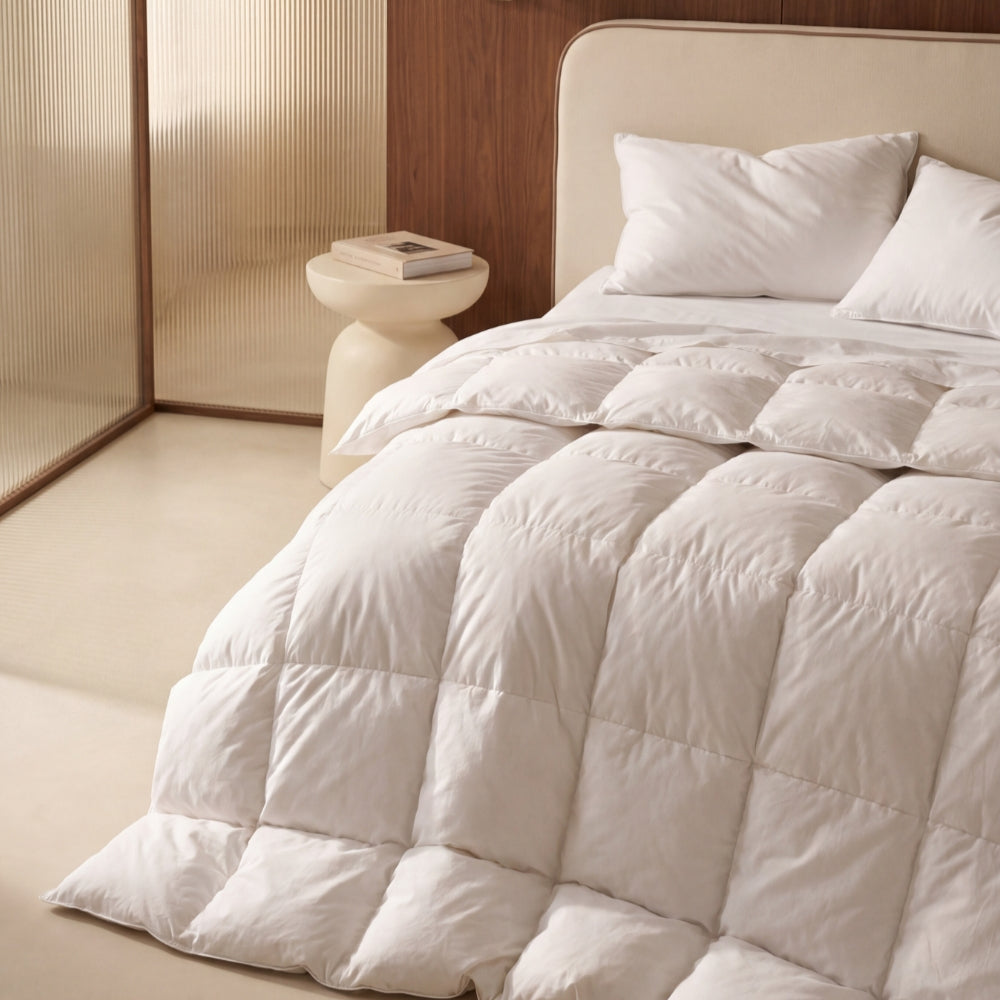
Prevent your bed from overheating by choosing bedding materials wisely. Opt for moisture-wicking sheets and a lightweight duvet with a lower tog rating for summer. Elevate your mattress slightly to improve air circulation, and avoid memory foam, which tends to retain heat. Rotate your mattress regularly to distribute heat absorption evenly.
Which bed reduces heat?
Beds that reduce heat typically feature hybrid or innerspring designs with good airflow. Look for mattresses with cooling gel-infused foam or phase-change materials. Latex mattresses are naturally cooling, while some advanced models incorporate active cooling technology like air chambers or water-based systems for optimal temperature regulation.
How to reduce body heat?
Reduce body heat by staying hydrated with cool water and avoiding spicy or heavy foods. Wear loose, light-coloured clothing made from breathable fabrics. Apply cool compresses to pulse points like wrists and neck. Take cool showers or baths, and limit strenuous activities during the hottest parts of the day to minimise heat generation.
How to cool down quickly?
Cool down quickly by immersing your feet in cold water or applying ice packs to pulse points like wrists, neck, and temples. Sip on iced drinks or eat frozen treats to lower your core temperature. Use a fan in combination with a mist of water for evaporative cooling. In extreme cases, take a cool shower or bath for rapid relief.
How to sleep when it is too hot?
Sleep comfortably in hot weather by creating cross-ventilation in your bedroom with strategically placed fans. Use cooling pillows and moisture-wicking sheets. Try the 'Egyptian method' of sleeping with a damp sheet or towel. Keep curtains closed during the day to prevent heat build-up, and consider sleeping on lower floors where it's typically cooler.
What to drink to stay cool?
Stay cool by drinking water-rich fruits and vegetables like watermelon or cucumber. Opt for herbal iced teas or coconut water for hydration with added benefits. Avoid alcohol and caffeine as they can contribute to dehydration. Mint-infused water or a chilled buttermilk can provide a refreshing and cooling effect on your body.
How to stay cool without AC?
Stay cool without AC by creating a cross-breeze with strategically placed fans. Use reflective window films or blackout curtains to block heat. Dampen sheets or hang wet towels near windows for evaporative cooling. Minimise use of heat-generating appliances and opt for cool, light meals. Create a DIY swamp cooler using a fan and a bowl of ice for localised cooling.
Why is my bed making me so hot?
Your bed may be making you hot due to heat-retaining materials like memory foam or synthetic fabrics. Poor air circulation around your mattress or inadequate breathability in your bedding can trap body heat. Hormonal changes, medications, or medical conditions might also increase your body temperature at night, making your bed feel uncomfortably warm.
What is the best cooling blanket?
The best cooling blankets often feature moisture-wicking fabrics like bamboo or temperature-regulating materials such as Outlast technology. Look for lightweight, breathable options with good air permeability. Some advanced cooling blankets incorporate phase-change materials or cooling gel fibres to actively draw heat away from your body throughout the night.
What is the best solution for hot sleepers?
Hot sleepers benefit most from a comprehensive cooling system. Start with a cooling mattress or topper, paired with breathable, moisture-wicking sheets. Use a temperature-regulating duvet and cooling pillows. Invest in moisture-wicking pyjamas and consider a bed fan or cooling pad for targeted temperature control. Maintain a cool bedroom environment with proper ventilation and air circulation.
How can I keep my bed cool?
Keep your bed cool by using breathable, natural fibre bedding like cotton or linen. Rotate your mattress regularly and use a mattress protector to prevent heat build-up. Elevate your bed frame for better air circulation and consider a cooling mattress topper. Change your sheets frequently to avoid moisture accumulation, and use a lower tog duvet or lightweight blanket during warmer months.
How to cool down body heat in bed?
Cool down body heat in bed by wearing loose, breathable sleepwear or sleeping in the nude. Keep a cool water spray nearby for quick misting. Use a small fan directed at your body and try the 'starfish position' to maximise skin exposure to cooler air. Place a cold pack under your pillow and flip it throughout the night for a consistently cool surface.
How do I make my bed heat-proof?
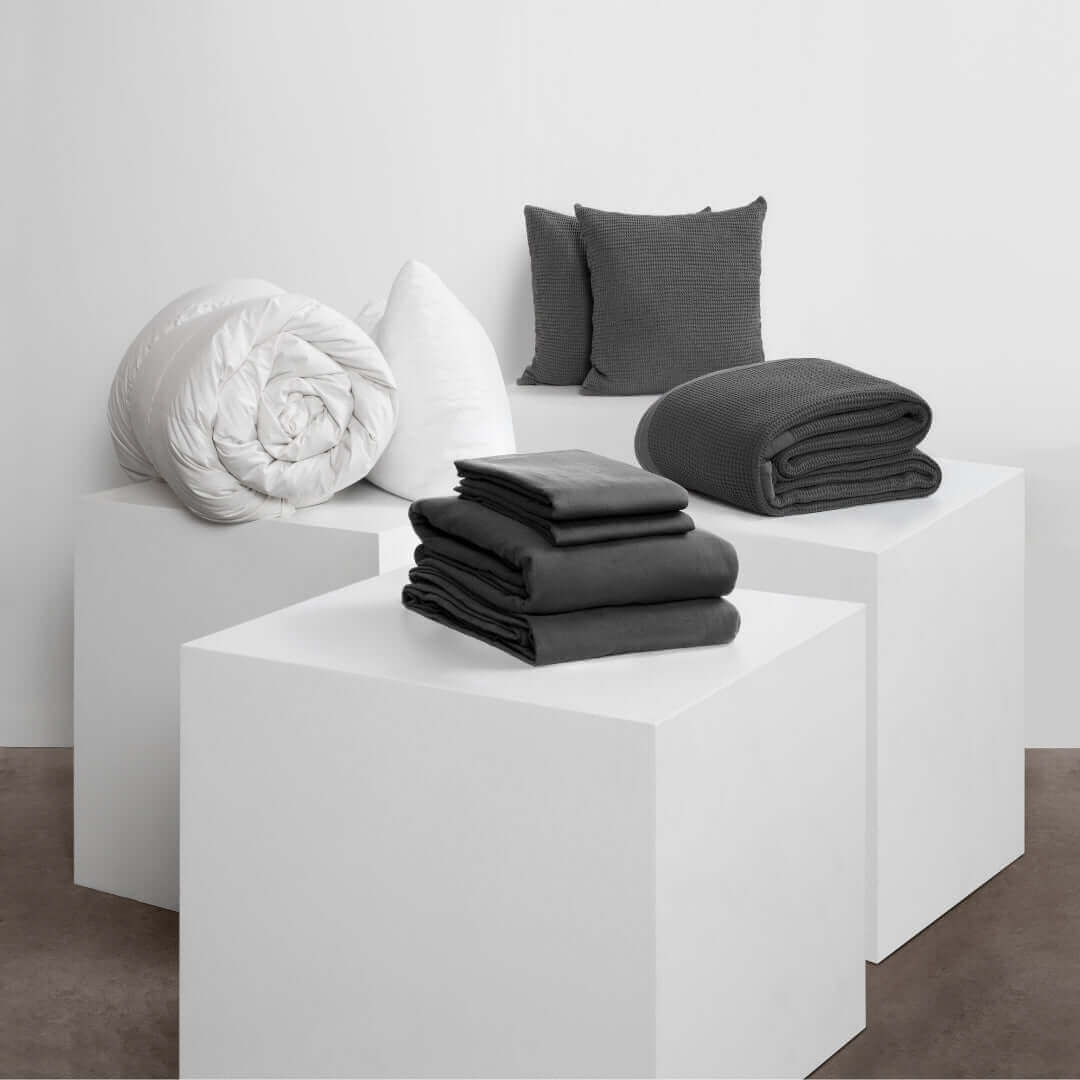
Make your bed heat-proof by investing in cooling technology at every layer. Start with a temperature-regulating mattress or add a cooling mattress topper. Use moisture-wicking, breathable sheets and opt for a summer-weight duvet with cooling properties. Elevate your bed slightly for better air circulation and consider adding a bed fan for targeted cooling throughout the night.

Share:
5 Expert Tips on Spring Cleaning your bedroom
How to Get Rid of Bed Bugs? A Practical Step-by-Step Guide