


When the cold weather comes knocking, we may find ourselves snuggling that little bit deeper into our duvets. There’s no doubt we can feel the temperatures dropping. As early-morning frost makes getting out of bed all the more difficult, it may be time to change our bedding for the season. Just like many of us swap out our summer wardrobe for thicker knits and winter coats, wrapping up for the winter should also involve dressing your bed in denser duvets and warmer fabrics. Plus, you’ll save on your energy bill. Like putting on an extra jumper or pair of socks and turning down the thermostat is a go-to money saver, why not add an additional layer to your bed? As CABA reports, reducing your room temperature by just 1℃ could cut heating bills by up to 10%. So get cosy, take control of your heating, and implement a winter bedding swap into your annual routine.
In fact, switch to warmer sheets with bedable. As advocates for a seasonal bedding change-up, we’re prepared for all your wintertime needs. With a round-up of helpful tips and luxury winter bedding sets, you’re sure to stay snug this season.
1. Opt for a winter duvet.
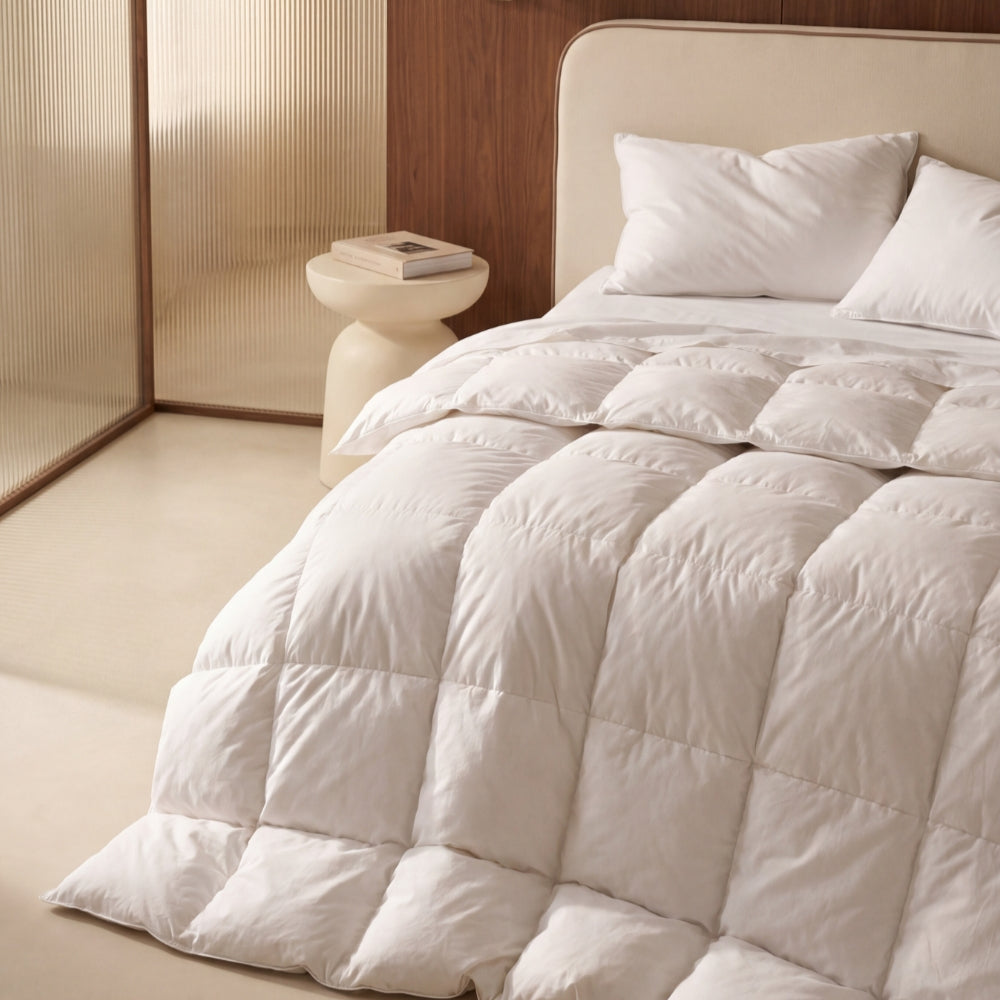
Feathers will have you covered. A goose-down duvet is softer, lighter and holds better insulating properties. Designed to shelter you from the cold without compromising on comfort, feather-filled duvets are most suited to the colder months and unheated or poorly insulated bedrooms. Constructed of 100% fill power, meaning the duvet does more with less, they provide better insulation without any extra weight.
The higher the TOG, the warmer you’ll be. While you may notice that quilts with a higher TOG rating tend to be thicker, TOG refers to how effectively a duvet can retain heat. In the coldest months of the year, opt for a winter duvet with at least 10.5 TOG. Our all-season duvet, with a higher TOG value, will provide the extra insulation on those cold, chilly nights.
2. Dress your bed in 100% washed cotton.
Plummeting temperatures call for the cosiest fabrics. Soft and snug washed cotton is the best material to keep you warm at night. Going through a special washing process after weaving, it retains a softer feel than untreated cotton. In 100% premium cotton with 400 thread count for durability, Beddable’s washed cotton bedding sets guarantee a cosy night’s sleep.
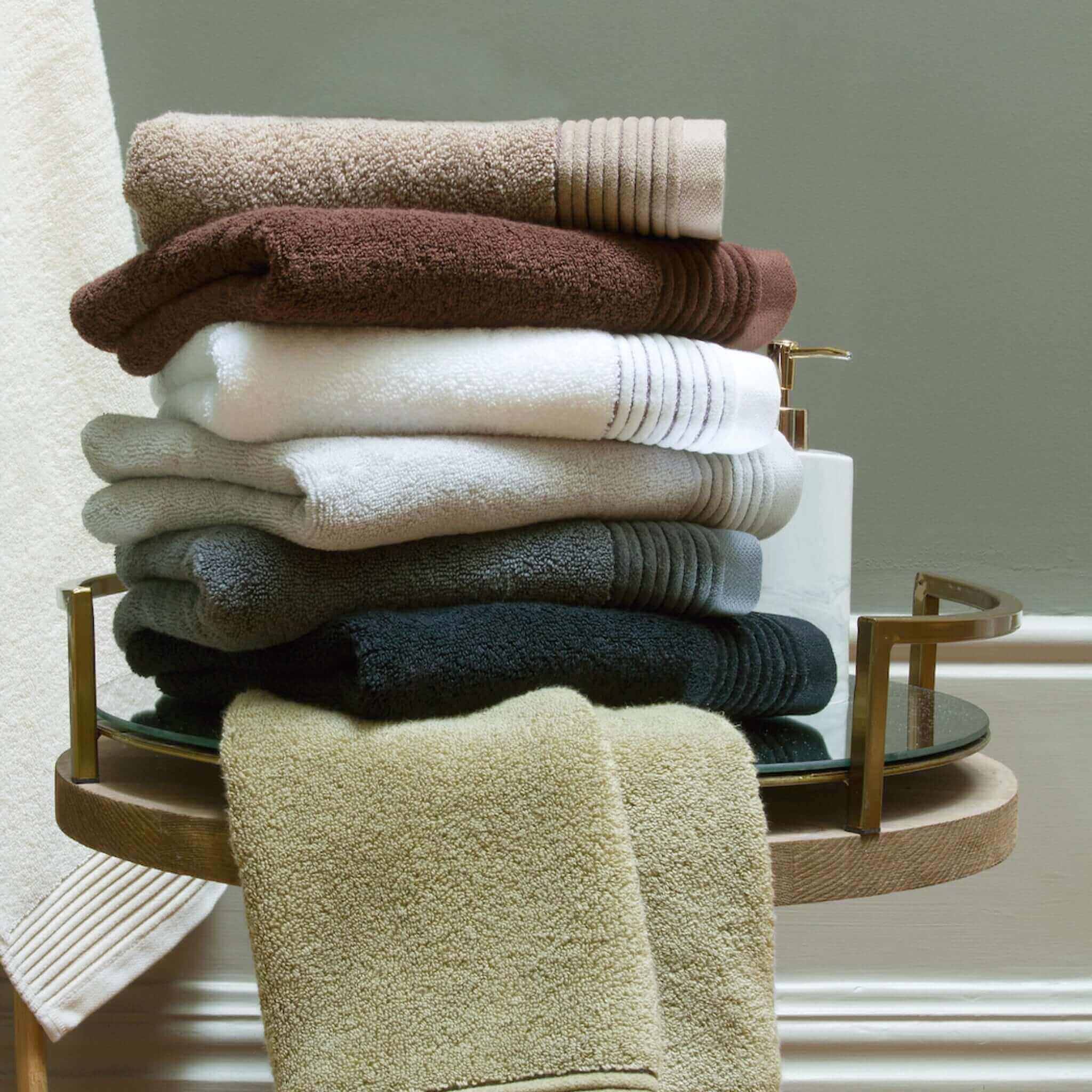
Choose winter bedding in warm tones and effortless styles. Since darker shades absorb heat, dressing your bed in deep hues like burgundy, dark green or acorn brown will turn your bed into a warm retreat. Introducing shades of grey to reflect winter frost will equally give your bedroom a wintery update, ready for when the nights draw in.
3. Layer.
It may seem simple, but this is where we can often go wrong. By focusing on layering on top of the duvet, the bed can become uncomfortable and heavy. Instead, layering from the bottom up is conducive to a cosy night’s sleep. The key to creating a warm bed is to trap heat between you and your mattress.
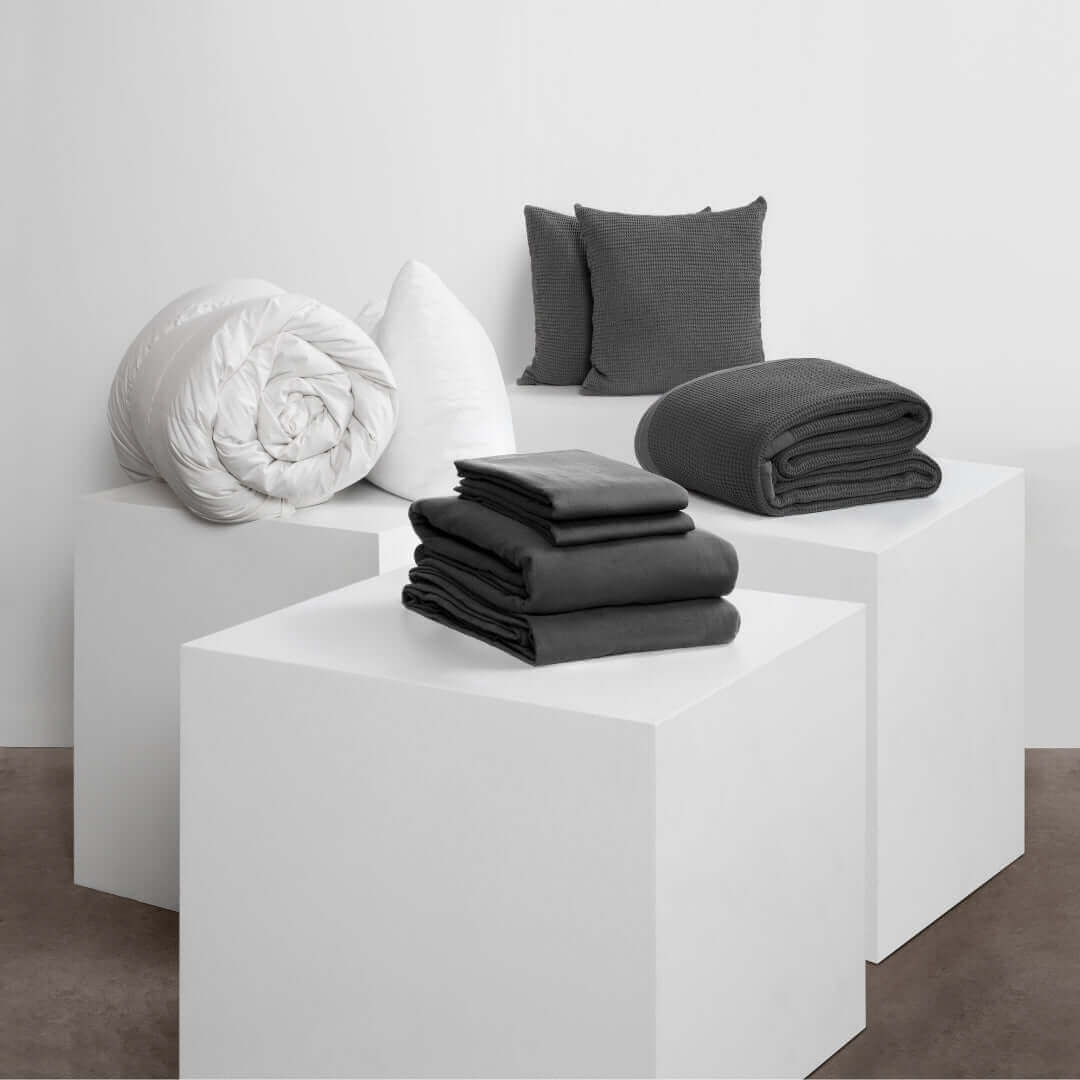
Start with a mattress topper. This will add an additional layer of comfort whilst creating pockets of insulation. Then cover your usual fitted sheet with an extra flat sheet. In summer, a flat sheet may be a lightweight alternative to your duvet, but when winter rolls in, doubling up on covers will act as a barrier to the outside chill.
Top the sheets off with bedspreads and scatter cushions. A cosy throw blanket, like our waffle bedspreads or alpaca throws, tucked at the foot of the bed will keep your toes toasty and be there as an optional, additional cover on exceptionally cold nights. Not just decorative items, adding rich textures and soft furnishings can help your bedroom feel extra cosy. Our festive herringbone or corduroy cushions offer a snug spot to rest your head.
Read here how to implement an annual bedding swap in summer, too.
Understanding Winter Bedding
Winter bedding encompasses a range of products designed to keep you warm during the colder months. This includes comforters, quilts, blankets, and sheets made from materials that provide insulation while remaining breathable. The primary goal is to create a layered bedding system that allows for flexibility in warmth, ensuring comfort regardless of fluctuating temperatures.
Key Materials for Winter Bedding
When selecting winter bedding, the choice of materials is crucial. Here are some popular options:
-
Flannel: Known for its soft texture and warmth, flannel is a popular choice for sheets and pyjamas. Its brushed surface traps heat, making it ideal for chilly nights.
-
Cotton: Breathable and versatile, cotton bedding can be used year-round. For winter, opt for heavier cotton weaves or blends that provide additional warmth.
-
Microfiber: This synthetic material is lightweight yet warm, making it a great option for comforters and blankets. It is also easy to care for and resistant to wrinkles.
-
Down and Down Alternatives: Down comforters offer excellent insulation without being overly heavy. For those with allergies, down alternatives made from synthetic fibres can provide similar warmth.
Choosing the Right Bedding Set
Selecting a bedding set that complements your style while providing warmth is essential. Look for sets that include:
-
Comforters: Choose a thick, insulated comforter that suits your aesthetic. Consider options with decorative patterns or colours that reflect the season.
-
Quilts: Lightweight yet warm, quilts can be layered over comforters for added warmth or used alone in milder conditions.
-
Sheets: Opt for flannel or heavier cotton sheets to ensure a snug fit on your mattress. Fitted sheets should have deep pockets to accommodate thicker mattresses.
Layering Techniques for Maximum Warmth
Layering is a key strategy for creating a warm and inviting bed. By combining different types of bedding, you can easily adjust your comfort level throughout the night.
The Base Layer: Mattress Protectors and Pads
Start with a mattress protector or pad to add an extra layer of insulation. These products not only protect your mattress but also provide additional cushioning and warmth. Look for options made from breathable materials to maintain comfort.
The Sheet Layer: Fitted and Flat Sheets
Next, add fitted and flat sheets. For winter, choose heavier cotton or flannel sheets that will trap heat. The flat sheet can serve as a barrier between you and your duvet cover, allowing for longer intervals between washes.
The Blanket Layer: Adding Warmth
Incorporate a lightweight blanket for added warmth. Options like fleece or wool blankets are excellent choices, as they provide insulation without excessive weight. This layer can be easily adjusted based on your comfort level.
The Comforter Layer: The Heart of Your Bedding
The comforter is the primary source of warmth. Choose a thick, insulated comforter that suits your style. Down or down alternative options are popular for their warmth-to-weight ratio. Ensure it is large enough to drape over the sides of your bed for a snug fit.
The Finishing Touch: Quilts and Throws
Finally, add a quilt or decorative throw at the foot of the bed. This not only enhances the visual appeal of your bedding but also provides an extra layer of warmth for those particularly cold nights. Choose colours and patterns that complement your overall decor.
Creating a Cosy Atmosphere
Beyond the bedding itself, the overall atmosphere of your bedroom plays a significant role in your comfort during winter. Here are some tips to enhance the cosiness of your space:
Use Warm Colour Palettes
Opt for warm colours in your bedding and decor to create a welcoming environment. Rich hues like deep reds, warm browns, and soft creams can evoke a sense of warmth and comfort.
Incorporate Soft Textures
Layering different textures can add depth and warmth to your bedroom. Consider adding plush throw pillows, soft rugs, and textured blankets to create a tactile experience that invites relaxation.
Control the Lighting
Adjusting the lighting in your bedroom can significantly impact its warmth. Use soft, warm-toned bulbs and consider adding lamps with dimmers to create a soothing ambience. Avoid harsh overhead lighting, which can make the space feel cold and uninviting.
Add Personal Touches
Incorporate personal items such as photographs, artwork, or decorative pieces that reflect your personality. These touches can make your space feel more inviting and comfortable.
Maintenance Tips for Winter Bedding
To ensure your winter bedding remains fresh and comfortable throughout the season, proper maintenance is essential. Here are some tips to keep your bedding in top condition:
Regular Washing
Wash your bedding regularly to remove dust, allergens, and body oils. Follow the care instructions for each item, and consider using a gentle detergent to preserve the fabric's integrity.
Drying Techniques
When drying your bedding, avoid high heat, which can damage fabrics. Instead, opt for a low heat setting or air dry when possible. Adding dryer balls can help fluff your bedding and reduce drying time.
Storage Solutions
When the winter season ends, store your bedding properly to maintain its quality. Use breathable storage bags or bins to protect against moisture and pests. Ensure items are clean and completely dry before storing.
Conclusion
Investing in quality winter bedding is essential for creating a warm and inviting bedroom during the colder months. By understanding the materials, layering techniques, and maintenance tips, you can ensure a comfortable and restful sleep experience. Embrace the beauty of winter by transforming your bedroom into a cosy sanctuary that invites relaxation and warmth.
With the right bedding choices, you can enjoy the season's charm while staying snug and comfortable all night long.
People Also Asked
What is the correct way to dress a bed?
The correct way to dress a bed involves layering. Start with a fitted sheet, followed by a flat sheet, then add a duvet or comforter. Finish with decorative pillows and a throw blanket for a polished look.
How should you dress for bed?
For optimal sleep, dress in loose-fitting, breathable clothing. Choose natural fabrics like cotton that allow your skin to breathe and help regulate body temperature throughout the night.
How do I make my bed look nice?
To make your bed look nice, ensure crisp, wrinkle-free sheets, use a plush duvet or comforter, and add decorative pillows in complementary colours. A throw blanket at the foot of the bed adds a finishing touch.
How to layer your bed like a pro?
Layer your bed like a pro by starting with a mattress protector, then add fitted and flat sheets. Follow with a light blanket or quilt, then a duvet or comforter. Top with euro shams, standard pillows, and decorative cushions.
Can you wear clothes in bed?
Yes, you can wear clothes in bed. Choose comfortable, loose-fitting garments made from breathable fabrics. However, some people prefer sleeping naked for better temperature regulation and comfort.
What setting for bed clothes?
Wash bed clothes on a warm water setting (around 40°C) to effectively remove dirt and oils without damaging the fabric. Use a gentle cycle for delicate items and always check care labels.
What do ladies wear for bed?
Ladies' sleepwear choices vary widely, from pyjama sets to nightgowns or oversized t-shirts. The key is to choose comfortable, breathable fabrics that suit personal preferences and sleep habits.
How to sleep to look better?
To sleep for better looks, aim for 7-9 hours of quality sleep, use a silk or satin pillowcase to reduce friction on skin and hair, and sleep on your back to minimise facial creasing.
Do you wear garments to bed?
Wearing garments to bed is a personal choice. Many people prefer loose-fitting pyjamas or nightgowns, while others opt for underwear or sleep naked. Choose what feels most comfortable and promotes good sleep.
How do I pretty up my bedroom?
Pretty up your bedroom by adding soft lighting, incorporating plants, using a cohesive colour scheme, and adding textured fabrics like throw pillows and rugs. Keep the space clutter-free for a serene atmosphere.
How do I make my bed so comfortable?
Make your bed more comfortable by investing in high-quality sheets with a thread count between 300-600, using a supportive pillow, and adding a mattress topper for extra cushioning.
How to make a day bed look cute?
Make a day bed look cute by using vibrant throw pillows, a cosy blanket, and a tailored bed skirt. Add a wall-mounted canopy or string lights above for a whimsical touch.
How to make a bed feel luxury?
Create a luxurious bed feel by using high-thread-count Egyptian cotton sheets, a down or down-alternative duvet, and a variety of pillow sizes. Add a plush throw and use a neutral colour palette for elegance.
How to perfectly make your bed?
Perfectly make your bed by tucking sheets tightly, smoothing out all wrinkles, and creating crisp corners. Layer your duvet or comforter evenly, and arrange pillows symmetrically for a hotel-like finish.
How to use bedspread?
Use a bedspread as the top layer of your bed linens, draping it over your sheets and blankets. It should reach the floor on three sides of the bed for a traditional look, or be folded at the foot for a modern style.
Is sleeping naked ok?
Sleeping naked is perfectly fine and can offer benefits like improved temperature regulation and better air circulation for your skin. However, it's a personal choice that depends on individual comfort and preferences.
What is best to wear in bed?
The best sleepwear is made from breathable, natural fabrics like cotton or silk. Loose-fitting pyjamas, nightgowns, or even a comfortable t-shirt and shorts can be ideal, depending on personal preference.
Can I wear outside clothes in bed?
It's best to avoid wearing outside clothes in bed as they can bring dirt and allergens into your sleep environment. Change into clean, dedicated sleepwear to maintain better hygiene and comfort.
How often should I wash bedsheets?
Wash bedsheets once a week to maintain hygiene and freshness. If you sweat heavily or have allergies, you might need to wash them more frequently.
Can you wash pillows?
Yes, most pillows can be washed. Check the care label and typically wash them in warm water on a gentle cycle. Use a mild detergent and dry thoroughly to prevent mould growth.
What to wash towels on?
Wash towels on a hot water setting (around 60°C) to effectively kill bacteria and remove oils. Use a heavy-duty cycle and avoid overcrowding the machine for best results.
Should a girl wear pants to bed?
Whether a girl wears pants to bed is a personal choice. The most important factor is comfort and breathability. Some prefer loose pyjama bottoms, while others might choose shorts or sleep without pants.
How should a wife dress for bed?
A wife should dress for bed in whatever makes her feel comfortable and confident. This could range from elegant nightgowns to cosy pyjamas or simple t-shirts, depending on personal preference and the couple's dynamics.
What is the healthiest thing to wear to bed?
The healthiest sleepwear is made from natural, breathable fabrics like cotton or bamboo. Loose-fitting garments that don't restrict movement or circulation are ideal for promoting good sleep hygiene.
Which direction is your bed supposed to face?
There's no universally correct direction for a bed to face. However, many prefer the head of the bed against a solid wall, away from windows and doors, for a sense of security and better feng shui.
Which is correct, dress the bed or make the bed?
Both "dress the bed" and "make the bed" are correct, but they have slightly different connotations. "Make the bed" is more commonly used for daily tidying, while "dress the bed" often refers to a more elaborate setup.
What is the correct way to put sheets on your bed?
The correct way to put sheets on your bed is to start with a fitted sheet, ensuring it's tucked tightly around the mattress. Follow with a flat sheet, tucking it in at the foot and sides, leaving the top loose for easy entry.



Share:
How to Take Your Loungewear Beyond WFH
6 Expert tips on readying your room for Christmas