

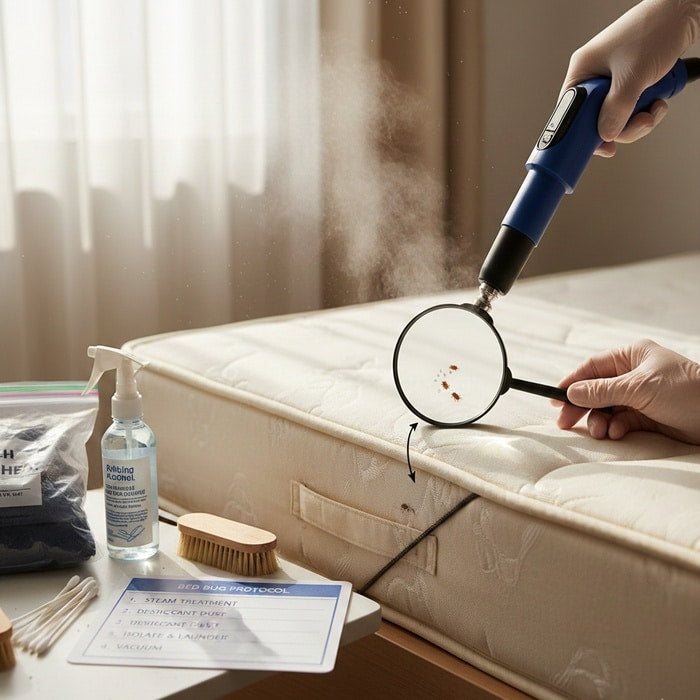
Understanding how to get rid of bed bugs homeowners encounter requires a calm, structured and well-informed approach. This guide brings together practical elimination methods, symptom management and preventative habits, helping you move from initial suspicion to long-term control with confidence. From identifying early warning signs to protecting mattresses, clothing and soft furnishings, the focus remains on realistic solutions that suit modern British homes. Whether you live in a compact flat or a larger family property, adopting a layered strategy ensures that treatment is both thorough and sustainable.

Recognising Early Indicators Before the Problem Escalates
One of the strongest themes explored throughout this guide is the importance of early identification. Subtle signs such as dark spotting on bedding, small clusters of bites and shed skins along mattress seams often appear before a full infestation becomes visible. Detecting these early clues allows homeowners to act before reproduction accelerates and spreads into adjoining rooms. Careful inspection of upholstery, bed frames and skirting boards forms the foundation of effective intervention and reduces the need for more disruptive treatment later.
Combining Heat, Cleaning and Structured Intervention
A recurring principle within the blog is that no single method works in isolation. High-temperature laundering, targeted steam application and methodical vacuuming all play vital roles in reducing active populations. These approaches support both immediate reduction and longer-term suppression when paired with follow-up inspection. Emphasis is placed on thermal treatment techniques and disciplined containment practices, ensuring that quick action does not compromise thoroughness. The objective is to break the breeding cycle rather than simply removing visible insects.
Protecting Mattresses, Clothing and Soft Furnishings
Soft materials are often central to infestations, which is why this guide pays close attention to mattresses, pillows and clothing. Detailed advice covers careful laundering, steam penetration along seams and the use of protective encasements that trap remaining insects. By focusing on fabric management and strategic storage control, homeowners can prevent cross-room contamination and reduce the likelihood of reinfestation. These practical steps are particularly important in homes where bedrooms, guest spaces and living areas share upholstery.
Managing Skin Reactions While Treatment Continues
Addressing bites and itching forms another important strand of the discussion. While environmental control removes the source, calming irritated skin helps restore sleep and comfort in the meantime. Recommendations include cooling compresses, appropriate topical treatments and avoiding excessive scratching. Prioritising skin recovery measuresalongside effective environmental eradication ensures that both the cause and the symptoms are handled responsibly and safely.
Building Long-Term Habits That Prevent Recurrence
The final theme centres on prevention. Travel awareness, inspection of second-hand furniture and consistent monitoring after treatment are essential for sustained results. Rather than relying on short-term fixes, the guide encourages structured follow-up and disciplined household habits. By strengthening preventative routines and maintaining ongoing vigilance, homeowners can protect their interiors, bedding and soft furnishings from future disruption.
With this foundation in place, the next section examines the early warning signs in greater detail, helping you identify activity quickly and act with confidence before the situation develops further.

How to Get Rid of Bed Bugs UK
Knowing how to get rid of bed bugs UK homeowners struggle with requires more than surface cleaning or a single treatment. Bed bugs are highly adaptive insects that thrive in centrally heated properties, shared walls and upholstered furniture. Across the UK, rising travel frequency and high residential mobility have increased the likelihood of infestation in both flats and detached homes. Successful removal depends on accurate identification, controlled containment and structured follow-up.
Identifying Bed Bug Activity in UK Properties
Early detection reduces both disruption and long-term expense. Bed bugs hide during daylight and feed at night, which means the first signs are often indirect. You may notice dark spotting on sheets, pale shed skins along mattress seams or small clusters of itchy bites appearing in straight lines.
Inspection should concentrate on mattress piping, divan bases, headboards and skirting boards. In many British homes they are also found inside small wall gaps and behind loose wallpaper. Careful use of a torch improves visibility and increases the chances of spotting harbourage areas before the infestation expands. Recognising these early indicatorsallows intervention before reproduction accelerates.
Containing the Infestation Without Causing Spread
Once confirmed, preventing further movement becomes the priority. Bedding should be removed gently and sealed in plastic bags before transport. Washing at 60°C or higher followed by thorough tumble drying is essential, as sustained heat eliminates both insects and eggs.
Avoid moving soft furnishings between rooms. Bed bugs travel easily within fabrics and upholstery, which increases cross-room contamination. Vacuuming must be slow and deliberate, focusing on cracks, screw holes and carpet edges. Dispose of vacuum contents immediately outside the property to minimise risk of reinfestation. Effective containmentlimits population growth while treatment begins.
Applying Targeted Treatment for Reliable Control
Chemical applications can be effective when used correctly, yet overuse or incorrect placement often leads to resistance. In the UK, regulated residual treatments are available, though professional pest control is recommended for moderate or heavy infestations.
Steam treatment offers a valuable non-chemical addition. Applied slowly along mattress seams and upholstered joints, it kills insects on contact. Combining steam, vacuuming and residual treatment creates a layered control strategy. A follow-up inspection within 10 to 14 days is necessary to eliminate newly hatched nymphs, ensuring the reproductive cycle is interrupted.
Strengthening the Home Against Future Infestations
Long-term prevention relies on structural awareness and disciplined habits. Bed bug-proof mattress encasements work by sealing the entire mattress, trapping any insects that may still be inside and preventing new ones from getting into the inner layers. These should remain fitted for at least 12 months to guarantee complete die-off.
Reducing clutter improves inspection visibility and removes hiding points. After travel, luggage should be examined before entering sleeping areas. Second-hand furniture should always be inspected thoroughly prior to use. Sustainable prevention depends on consistent monitoring and practical vigilance, rather than relying on a single successful treatment.
How to Get Rid of Bed Bugs Fast
When urgency takes over, understanding how to get rid of bed bugs fast becomes the priority. Speed depends on intensity, coordination and precision rather than panic. Acting within the first few days of noticing activity can significantly reduce breeding cycles and prevent spread into adjoining rooms.
Fast elimination focuses on attacking active insects immediately while also targeting hidden eggs. Missing either stage allows the infestation to restart.
Immediate Heat Intervention as the First Line of Attack
Heat remains the quickest and most reliable domestic method. All bedding, nightwear, soft toys and washable fabrics should be treated simultaneously. Washing at high temperature followed by at least 30 minutes in a hot tumble dryer ensures both insects and eggs are exposed to lethal conditions.
Steam treatment offers near-instant results when applied slowly along mattress seams, upholstery folds and bed frame joints. Direct contact heat kills on impact, making it one of the most effective rapid-control methods available without chemicals. Consistent temperature exposure is key to success.
High-Intensity Vacuuming for Population Reduction
Vacuuming alone will not eliminate an infestation, but it dramatically reduces active numbers. Focus on mattress piping, headboards, divan edges, carpet seams and furniture joints. Use a narrow nozzle attachment to reach tight crevices where insects cluster.
Vacuum slowly rather than quickly sweeping surfaces. Dispose of contents immediately in a sealed bag outside the property to prevent escape. Thorough mechanical removal supports faster overall reduction and limits short-term reproduction.
Temporary Isolation to Prevent Cross-Room Spread
Fast eradication is impossible if insects are spreading during treatment. Avoid sleeping in different rooms, as this encourages migration. Instead, isolate the affected bed using interceptor traps placed under each leg to monitor and contain movement.
Minimise movement of soft furnishings between rooms. Clothing should be sealed in plastic bags until washed. Strategic containment prevents expansion and accelerates visible improvement.
When Professional Heat Treatment Delivers Same-Week Results
For severe infestations, professional whole-room heat treatment offers the fastest structured solution. Specialised equipment raises temperatures high enough to kill insects and eggs throughout the space, including inside furniture and wall voids.
While this approach can produce significant reduction within a single day, monitoring remains essential in the following weeks. Rapid elimination depends on thorough application and structured follow-up rather than assuming instant permanence.

Maintaining Momentum After Initial Reduction
Fast action must be followed by consistent inspection. Eggs that survive initial treatment typically hatch within 10 to 14 days. A second round of intervention ensures newly emerged nymphs are eliminated before maturity.
Continue vacuuming regularly and keep mattress encasements fitted. Speed creates early relief, but sustained monitoring ensures lasting control.
How to Get Rid of Bed Bugs Permanently
Searching for how to get rid of bed bugs permanently usually means previous attempts have failed or the infestation has returned. Permanent removal is not about using stronger chemicals. It is about breaking the reproductive cycle, eliminating hidden eggs and removing long-term harbourage points. Without a layered strategy, short-term relief often leads to recurrence within weeks.
True permanence requires understanding how bed bugs reproduce, where they hide and how they survive incomplete treatments.

Breaking the Reproductive Cycle Completely
Bed bugs lay multiple eggs daily, and these eggs hatch within one to two weeks. Many surface treatments kill active insects but leave eggs untouched. When those eggs hatch, the infestation appears to return, even though it was never fully eliminated.
To interrupt the breeding cycle, treatment must be repeated after 10 to 14 days. This timing ensures newly hatched nymphs are eliminated before they mature and reproduce. Skipping this stage is one of the most common reasons infestations persist.
Eliminating Deep Harbourage Zones
Permanent control depends on identifying and removing hidden shelter areas. Bed bugs hide in mattress seams, divan interiors, bed frame joints, skirting boards and even behind electrical fittings.
Dismantling the bed frame during inspection often reveals concealed clusters. Sealing cracks, tightening loose fittings and repairing peeling wallpaper reduces future hiding spaces. Structural modification limits long-term harbourage, making reinfestation far less likely.
Combining Heat, Residual Treatment and Encasement
A single method rarely delivers permanent results. Heat eliminates exposed insects quickly. Residual treatment provides ongoing protection in cracks and joints. Mattress encasements trap any surviving insects inside and prevent access to feeding.
Encasements must remain fitted for at least 12 months to ensure complete die-off. This layered defensive systemstrengthens long-term eradication by preventing survivors from re-establishing a population.
Monitoring for Several Months After Treatment
Even after visible activity stops, monitoring remains critical. Interceptor traps under bed legs can detect remaining movement. Regular inspection of mattress seams and surrounding furniture helps identify any resurgence early.
Permanent removal requires consistent vigilance rather than assuming the problem has disappeared. Early detection of even a single surviving insect prevents a full-scale recurrence.
Preventing Reintroduction Into the Home
Long-term success also depends on behaviour. After travel, luggage should be inspected before entering bedrooms. Second-hand furniture must be examined carefully before use. Shared buildings require awareness, as infestations can migrate between flats.
Sustainable prevention habits support lasting control. Permanent eradication is achieved through disciplined follow-up, structural awareness and early response, not a one-time aggressive treatment.
How to Get Rid of Bed Bugs in One Day
Many people searching for how to get rid of bed bugs in one day are facing immediate stress, lack of sleep and rising anxiety. While complete eradication within 24 hours is uncommon without professional equipment, it is possible to dramatically reduce infestation levels in a single, highly coordinated effort. Success depends on intensity, timing and executing every step without delay.
A one-day response is about concentrated action rather than partial treatment.

Preparing the Room for High-Impact Treatment
Before applying any method, preparation determines outcome. Remove all bedding carefully and seal it in plastic bags. Clear floor areas to expose skirting boards and bed frames. Dismantling the bed frame increases access to joints where insects gather.
Preparation improves treatment coverage and eliminates overlooked harbourage areas. Without access to hidden seams and cracks, one-day efforts lose effectiveness.
Using High-Temperature Methods for Immediate Kill
Heat provides the fastest measurable results. Wash all fabrics at 60°C or higher and tumble dry thoroughly. Items that cannot be washed should be placed in a hot dryer where safe to do so.
Steam treatment applied slowly along mattress piping, upholstery folds and wooden joints kills insects on contact. Moving the steam head too quickly reduces effectiveness, so deliberate movement ensures maximum penetration and immediate impact.
Applying Residual Protection the Same Day
After heat treatment, applying a regulated residual product to cracks and crevices provides ongoing protection. This stage targets insects that may emerge later in the day. Light, precise application is more effective than heavy oversaturation.
Residual barriers strengthen short-term suppression and reduce overnight activity, especially when combined with interceptor traps placed beneath bed legs.
Isolating the Bed to Prevent Overnight Feeding
On the same day, isolate the bed to prevent remaining insects from accessing a food source. Fit a certified mattress encasement and ensure bedding does not touch the floor. Interceptor cups under each bed leg trap climbing insects and allow monitoring.
Bed isolation limits feeding opportunities and reduces continued reproduction during the following nights. This creates a controlled environment for continued monitoring.
Understanding the Limits of a 24-Hour Strategy
Even after intensive one-day treatment, eggs that were deeply hidden may hatch later. A follow-up inspection within 10 to 14 days is essential. One-day intervention significantly reduces population size but does not remove the need for structured review.
True success depends on combining concentrated initial action with disciplined follow-up, ensuring that rapid reduction becomes lasting control.
How to Get Rid of Bed Bugs Home Remedy
Searching for how to get rid of bed bugs home remedy solutions often reflects concern about cost, chemical exposure or the desire to act immediately without waiting for professional help. While some household methods can support control, very few eliminate an infestation alone. Realistic expectations are essential before relying solely on home-based approaches.
Home remedies can reduce activity, slow reproduction and complement structured treatment when applied correctly and consistently.

Understanding Which Household Methods Have Some Evidence
Many popular online suggestions lack scientific backing. Vinegar, essential oils and baking soda are widely discussed, yet they rarely provide measurable elimination. Bed bugs are resilient insects with protective outer shells that resist mild substances.
One method with some supporting evidence is diatomaceous earth, a fine powder that damages the insect’s outer layer, leading to dehydration. For effectiveness, it must remain dry and undisturbed for several days. Proper placement along cracks and seams improves contact exposure and increases results.
Using Heat and Steam as Practical Non-Chemical Tools
Heat remains the most reliable domestic remedy. Washing fabrics at 60°C or above followed by thorough tumble drying destroys both insects and eggs. Steam treatment applied slowly along mattress seams and furniture joints kills exposed insects instantly.
Steam must be used carefully to avoid surface damage, yet when applied methodically it offers strong non-toxic controland immediate contact kill. Unlike sprays, steam penetrates fabric folds where insects hide.
Intensive Cleaning to Reduce Active Populations
Mechanical removal plays an important role in home-based treatment. Vacuuming should focus on mattress piping, bed frames, carpet edges and upholstered furniture. Using a narrow nozzle attachment increases reach into tight spaces.
Vacuum contents must be sealed and disposed of outside immediately. Thorough mechanical reduction lowers overall insect numbers and slows short-term breeding activity, supporting other interventions.

Recognising the Limitations of Home Remedies Alone
Home remedies rarely reach deep internal harbourage zones such as inside divan bases or wall cavities. Eggs hidden in protected areas may survive surface treatment and hatch later.
Without follow-up inspection and possible professional reinforcement, infestations often return. Home remedies function best as part of a broader control strategy, not as a standalone solution.
Combining Home Treatment With Preventative Measures
Mattress encasements prevent insects from entering or escaping internal layers. Reducing clutter limits hiding spaces and improves inspection visibility. After travel, luggage should be checked before entering sleeping areas.
Sustained prevention habits strengthen the impact of home remedies and reduce the risk of recurrence. Long-term success depends on consistency, repetition and realistic assessment rather than relying on a single household product.
How to Get Rid of Bed Bugs Bites
Understanding how to get rid of bed bugs bites focuses on relieving irritation, reducing inflammation and preventing secondary infection. While eliminating the insects is essential for long-term relief, managing skin reactions properly helps restore comfort and sleep quality in the short term. Bite reactions vary between individuals, ranging from mild redness to more noticeable swelling and discomfort.
Effective care requires calming the skin without aggravating irritation.

Recognising the Appearance of Bed Bug Bites
Bed bug bites typically appear as small red bumps, often arranged in straight lines or clusters. They are most commonly found on exposed areas such as arms, legs, shoulders and the neck.
Unlike some insect bites, they may not cause immediate pain but often lead to delayed itching several hours later. Recognising these distinctive patterns helps differentiate them from other common skin irritations, such as mosquito bites or allergic reactions.
Reducing Inflammation and Swelling Safely
The first step in treating bites is reducing inflammation. Applying a mild corticosteroid cream can ease redness and swelling. Over-the-counter antihistamines may also reduce itching for individuals experiencing stronger reactions.
Cold compresses applied gently to the affected area can calm irritated skin and provide immediate soothing relief. Avoid excessive rubbing, as friction can increase inflammation and prolong discomfort.
Preventing Scratching and Secondary Infection
Scratching may provide temporary relief but increases the risk of broken skin and infection. Keeping nails trimmed and applying fragrance-free moisturisers can reduce dryness and minimise the urge to scratch.
If the skin becomes warm, painful or begins to ooze, medical advice should be sought promptly. Protecting the skin barrier supports faster healing and lowers the chance of complications.
Managing Severe or Allergic Reactions
In rare cases, individuals may experience stronger allergic responses, including significant swelling or blistering. If symptoms extend beyond local irritation or involve breathing difficulty, immediate medical attention is necessary.
Most reactions remain mild and resolve within one to two weeks. Monitoring unusual symptoms ensures early medical intervention if required.
Supporting Long-Term Relief Through Environmental Control
Treating bites alone does not stop new ones from appearing. Simultaneous environmental eradication is essential to prevent ongoing exposure. Mattress encasements, regular inspection and structured treatment reduce the likelihood of further skin reactions.
Sustainable relief depends on eliminating the source of bites while maintaining careful skin care during recovery.
How to Get Rid of Bed Bugs Naturally
Interest in how to get rid of bed bugs naturally often comes from homeowners who want to avoid chemical exposure while still solving the problem effectively. Natural control focuses on physical methods, environmental adjustment and consistent mechanical removal rather than synthetic insecticides. While natural approaches can be powerful, they require precision and repetition.
Success depends on combining multiple non-chemical strategies rather than relying on a single method.
Using Heat as the Primary Natural Weapon
Heat remains the most effective natural elimination tool. Washing fabrics at 60°C or higher and tumble drying thoroughly destroys both insects and eggs. This approach avoids chemical residue while delivering measurable results.
Steam cleaning applied slowly along mattress seams, bed frames and upholstery folds provides direct contact kill. Moving the steam nozzle deliberately ensures proper temperature exposure, increasing effectiveness without introducing toxins into the home.
Mechanical Removal Through Intensive Cleaning
Natural control relies heavily on thorough vacuuming. Focus on mattress piping, carpet edges, skirting boards and furniture joints where insects hide. Using narrow attachments improves access to tight crevices.
Vacuum contents must be sealed and discarded immediately outside the property. Regular mechanical reduction lowers insect numbers and slows reproduction, supporting long-term natural management.
Creating Physical Barriers to Interrupt Feeding
Mattress encasements form a protective layer that traps insects inside and prevents new ones from entering internal padding. These covers should remain fitted for at least 12 months to ensure complete die-off.
Interceptor traps placed under bed legs can monitor movement and restrict climbing access. Strategic isolation limits feeding opportunities and reduces ongoing activity without chemical reliance.
Reducing Harbourage Through Environmental Adjustment
Clutter provides hiding spaces that protect bed bugs from treatment. Removing unnecessary items from the bedroom improves visibility and simplifies inspection. Sealing cracks in bed frames and repairing loose wallpaper reduces shelter points.
Environmental modification strengthens natural control and decreases long-term harbourage, making reinfestation less likely.
Understanding the Limits of Natural Methods
Natural strategies can significantly reduce infestation levels, especially when detected early. However, severe infestations inside walls or deep structural voids may require professional intervention.
Consistent monitoring remains essential, as missed eggs can hatch weeks later. Natural control works best when applied thoroughly, repeated regularly and supported by disciplined inspection habits.
How to Get Rid of Bed Bugs on Clothes
Understanding how to get rid of bed bugs on clothes is essential because clothing can easily transport insects from one room to another. Bed bugs cling to fabric folds, seams and laundry baskets, making improper handling one of the fastest ways to spread an infestation. Effective treatment focuses on heat, isolation and careful storage.
Clothing should always be treated as a potential carrier until fully processed.

Isolating Contaminated Clothing Immediately
Once exposure is suspected, clothing must be sealed before movement through the home. Place garments directly into strong plastic bags and close them securely. Avoid shaking fabrics, as this can dislodge insects into the surrounding area.
Isolation prevents cross-contamination and limits further migration within the property. Controlled handling reduces the risk of expanding the infestation.
Using High Temperatures to Eliminate Insects and Eggs
Heat remains the most reliable method for treating clothing. Wash garments at 60°C or above where fabric allows, then tumble dry on high heat for at least 30 minutes. Sustained temperature exposure kills both adult insects and eggs.
For delicate items that cannot be washed at high temperatures, extended tumble drying alone may be sufficient. Consistent thermal treatment ensures full eradication when applied correctly.
Managing Non-Washable or Sensitive Fabrics
Certain materials require alternative solutions. Dry cleaning is effective, as professional processes eliminate insects through controlled heat and solvents. Inform the cleaner about potential infestation so items are handled appropriately.
Items that cannot be heat treated may be sealed in airtight containers for several months. Starvation eventually eliminates trapped insects, although this method requires strict sealing integrity and patient storage.
Preventing Recontamination After Treatment
Once cleaned, clothing should be stored separately from untreated items. Avoid returning garments to infested rooms until environmental treatment is complete. Use clean plastic containers rather than open wardrobes during ongoing control efforts.
Maintaining organised storage supports continued containment and reduces accidental reintroduction.
Integrating Clothing Treatment With Overall Home Control
Treating clothing alone will not resolve an infestation. Mattress seams, bed frames and upholstered furniture must be addressed simultaneously. Without coordinated environmental treatment, insects may simply migrate back onto clean garments.
Effective clothing management strengthens the broader control strategy and contributes to sustained prevention once the infestation is eliminated.
How to Get Rid of Bed Bugs in a Mattress
Understanding how to get rid of bed bugs in a mattress is crucial because mattresses are one of the primary harbourage locations during an infestation. Bed bugs prefer tight seams, piping, labels and internal folds where they remain undisturbed during daylight hours. Simply spraying the surface rarely solves the problem. Effective removal requires precision, patience and layered intervention.
Mattress treatment should always be handled methodically to avoid spreading insects into surrounding areas.

Inspecting Seams, Piping and Hidden Folds Thoroughly
Before applying any treatment, conduct a detailed inspection. Use a torch and examine every seam, stitched edge and fabric fold. Lift mattress labels and check beneath them carefully. Bed bugs often cluster in these protected zones.
Small black spotting, pale shed skins and tiny cream-coloured eggs are clear signs of active harbourage. Careful inspection discipline determines whether treatment will be comprehensive or incomplete.
Applying Steam for Direct Contact Elimination
Steam is one of the most effective mattress-safe methods when applied correctly. Move the steam nozzle slowly along seams and piping to ensure lethal heat penetrates deeply enough. Rapid movement reduces contact time and lowers effectiveness.
Steam provides immediate contact kill without chemical residue, making it suitable for sleeping surfaces. Controlled heat penetration ensures exposed insects and eggs are destroyed.
Vacuuming to Remove Residual Insects and Debris
After steaming, vacuuming helps remove dead insects, eggs and loose debris. Use a narrow attachment to reach into seams and edges. Avoid brushing aggressively, as this may push insects further into internal layers.
Dispose of vacuum contents immediately outside the property. Thorough mechanical removal supports continued controland prevents re-establishment.
Installing a Certified Mattress Encasement
A bed bug mattress encasement is a critical long-term measure. Once fitted securely, it traps any surviving insects inside and prevents new ones from entering the mattress interior. The encasement must remain in place for at least 12 months to ensure complete die-off.
This physical barrier system interrupts feeding access and supports ongoing monitoring of external activity.
Deciding Whether Replacement Is Necessary
Replacing a mattress is not always required. In many cases, proper steam treatment, vacuuming and encasement resolve the issue without disposal. However, severely damaged or heavily infested mattresses may be difficult to treat effectively.
Careful assessment prevents unnecessary expense while ensuring realistic outcomes.
Coordinating Mattress Treatment With Whole-Room Control
Treating the mattress alone will not eliminate the infestation if surrounding areas remain untreated. Bed frames, skirting boards, bedside furniture and soft furnishings must be inspected and treated simultaneously.
Integrated room-wide management ensures mattress treatment contributes to lasting eradication, rather than temporary relief.
How to Get Rid of Bed Bugs Itching
Understanding how to get rid of bed bugs itching is about more than surface relief. The itching occurs because the body reacts to proteins in the insect’s saliva, triggering an inflammatory response in the skin. For some people this reaction is mild and fades quickly, while for others it can become intensely irritating, disrupt sleep and lead to repeated scratching. Managing the itching properly is essential, not only for comfort but also to prevent further skin damage while the environmental infestation is being treated. Addressing the symptoms thoughtfully helps restore daily comfort and reduces ongoing stress.

Cooling the Skin to Reduce Immediate Inflammation
One of the most effective first steps is lowering skin temperature to calm inflammation. Applying a clean, cool compress for several minutes at a time helps constrict blood vessels and reduce swelling. This provides noticeable soothing reliefwithout introducing additional chemicals to the skin. It is important to avoid applying ice directly, as extreme cold can irritate already sensitive areas.
Hot showers, warm baths or vigorous rubbing should be avoided in the early stages. Heat increases circulation to the skin and may intensify irritation, making the itching feel stronger rather than weaker. Gentle handling supports faster recovery and prevents prolonging the inflammatory response.
Using Targeted Topical Treatments Responsibly
Over-the-counter corticosteroid creams can significantly reduce redness and inflammation when used according to instructions. These creams work by calming the immune response that causes swelling and discomfort. For individuals experiencing more widespread itching, oral antihistamines may help reduce the allergic reaction internally, especially at night when symptoms can feel more pronounced.
Choosing fragrance-free moisturisers is equally important. Dry skin increases sensitivity and can make itching more persistent. Supporting the skin with appropriate topical treatment while maintaining its natural moisture barrier reduces the likelihood of excessive skin sensitivity during healing.
Minimising Scratching to Prevent Secondary Infection
Scratching may offer temporary relief but often leads to broken skin, delayed healing and potential infection. Repeated friction can deepen inflammation and increase the risk of scarring, particularly for those with stronger reactions. Keeping fingernails trimmed and applying calming lotions before sleep can reduce unconscious scratching during the night.
If the affected area becomes warm, increasingly painful or begins to ooze, medical advice should be sought promptly. Protecting the skin’s natural protective barrier supports steady healing and prevents minor irritation from developing into a more serious complication.
Monitoring for Stronger Allergic Reactions
While most bed bug bites resolve within one to two weeks, some individuals may experience more intense responses. Significant swelling, blistering or spreading redness should not be ignored. In rare cases, symptoms such as dizziness, difficulty breathing or swelling of the lips and face require urgent medical attention.
Paying attention to unusual symptoms allows timely intervention and ensures that reactions beyond typical irritation are managed safely and appropriately.

Preventing Ongoing Itching by Eliminating the Source
Itching will continue if exposure continues. Even perfectly treated skin will react again if bed bugs are still feeding. Coordinating environmental eradication alongside symptom management is essential to prevent repeated bites. Mattress encasements, structured inspection and consistent treatment reduce ongoing exposure and allow the skin to recover fully.
Sustained comfort depends not only on calming existing bites but also on removing the underlying cause. Long-term skin recovery becomes possible once the infestation has been eliminated and re-exposure is prevented.
PEOPLE ALSO ASKED
What kills bed bugs instantly?
High, sustained heat is the most reliable method that kills bed bugs instantly. Direct steam applied slowly along mattress seams, upholstery folds and bed frame joints can eliminate exposed insects on contact. Professional whole-room heat treatments are even more effective, as they raise ambient temperatures high enough to destroy both insects and eggs. Certain contact insecticide sprays may kill visible bugs immediately, but they rarely reach hidden harbourage areas. For immediate impact, controlled high heat and precise steam application remain the most dependable solutions.
How can I get rid of bedbugs quickly?
To get rid of bedbugs quickly, you need a coordinated approach rather than relying on a single product. Wash all bedding and clothing at 60°C or above and tumble dry thoroughly. Steam treat mattresses, bed frames and surrounding furniture while vacuuming cracks and seams carefully. Dispose of vacuum contents outside immediately. Quick control depends on combining thermal treatment, structured cleaning and strict containment to prevent further spread.
What are the first signs that you have bed bugs?
Early signs include small red bites often appearing in clusters or straight lines on exposed skin. You may notice dark spotting on sheets or mattress seams, which are small faecal stains. Shed skins and tiny pale eggs hidden in crevices are also common indicators. Careful inspection of mattress piping and headboards often reveals subtle evidence patternsbefore the infestation becomes obvious. Prompt identification improves eradication success.
What to do if you slept with bed bugs?
If you have slept in an infested bed, avoid moving to another room as this may spread the insects. Remove bedding carefully, seal it in a bag and wash at high temperature. Shower normally to remove any insects from your body. Inspect the mattress and surrounding furniture immediately and begin treatment. Fast response action reduces ongoing feeding and limits further exposure.
Can bed bugs live in your hair?
Bed bugs are not known to live in human hair, as they prefer hiding in cracks, seams and fabric close to where people sleep. Unlike lice, they prefer stable hiding places such as mattress seams and furniture cracks. They might pass over the scalp while searching for a feeding spot, but they do not stay or nest there. Their behaviour is driven by proximity to sleeping areas rather than attachment to the body. Limited contact duration and preference for static surfaces make hair an unlikely habitat.
What smells do bedbugs hate?
There is limited scientific evidence that smells alone repel bed bugs effectively. Some essential oils such as tea tree or lavender are often mentioned, but they rarely eliminate infestations. Strong scents may temporarily disturb movement but do not provide lasting control. Bed bugs prioritise access to a blood source over mild odours. Relying solely on scent deterrents offers minimal long-term protection.
Is it okay to sleep in a bed with bed bugs?
Sleeping in an infested bed is not recommended, but suddenly changing rooms can spread the infestation. If treatment has begun, isolating the bed with interceptor traps and encasements is safer than relocating. Continued exposure may lead to additional bites and skin irritation. Structured bed isolation helps reduce further feeding activity while control measures continue.
What attracts bed bugs?
Bed bugs are attracted primarily to carbon dioxide, body heat and human scent. They are not drawn to dirt or food waste. Sleeping areas provide consistent access to a blood meal, which explains why bedrooms are their main habitat. Regular travel and second-hand furniture also increase risk. Their behaviour centres around host detection and proximity to sleeping areas.
Can bed bugs live in pillows?
Yes, bed bugs can live in pillows, particularly along seams and internal folds. However, they more commonly inhabit mattresses and bed frames. Washing pillows at high temperatures or tumble drying thoroughly can eliminate insects. Protective encasements reduce risk. Regular inspection of pillow seams supports early detection and improved prevention.
What is the main cause of bed bugs?
The main cause of bed bugs is accidental introduction through travel, luggage, clothing or second-hand furniture. They spread easily between properties in shared buildings. Infestations are not caused by poor hygiene. Increased mobility and dense housing contribute to rising cases. Unchecked transfer pathways remain the primary source of infestation.
How do I check my body for bed bugs?
Bed bugs do not live on the body, but you can check for bites by examining exposed skin for red bumps or irritation. Look at arms, legs, neck and shoulders. Showering helps remove any insects temporarily present. Visible bites are signs of feeding rather than colonisation. Monitoring skin reactions helps confirm possible exposure.
Where do bedbugs hide during the day?
During daylight hours, bed bugs hide in narrow cracks and crevices near sleeping areas. Common locations include mattress seams, divan interiors, headboards, skirting boards and behind loose wallpaper. They prefer dark, undisturbed areas. Identifying these harbourage zones is crucial for effective treatment.
Can you feel bed bugs crawling on you?
In most cases, people are unaware of bed bugs moving across the skin because they are tiny and surprisingly light in movement. Some individuals may notice slight sensations, but feeding often occurs without immediate awareness. Itching typically develops later due to a delayed skin reaction. Subtle movement patterns and nocturnal activity reduce detection.
What kills bed bugs instantly from a mattress?
Direct steam applied slowly along seams and piping can kill bed bugs instantly from a mattress. Professional heat treatment also eliminates insects and eggs within internal layers. Surface sprays may kill visible insects but rarely penetrate deeply. Focused steam penetration provides the most reliable immediate effect.
Do bed bugs stay on blankets?
Bed bugs may temporarily remain on blankets while feeding but typically retreat to nearby cracks afterwards. They prefer stable hiding areas rather than remaining exposed on bedding. Washing blankets at high temperatures eliminates them effectively. Prompt fabric treatment prevents ongoing spread.
What time of day are bed bugs most active?
Bed bugs are most active at night, particularly in the early hours before dawn when hosts are in deep sleep. They are attracted to carbon dioxide and warmth. During the day, they remain hidden. Their nocturnal behaviour supports discreet feeding cycles.
Can bed bugs go in your private parts?
Bed bugs feed on exposed skin and do not selectively target specific body parts. If areas are uncovered during sleep, bites may occur there, but they do not live in or infest private parts. They retreat after feeding. Brief feeding contact does not result in permanent attachment.
Do bed bugs stay on your skin after a shower?
Bed bugs do not remain on the body after feeding. Showering removes any insects that may be present temporarily. They prefer hiding in furniture rather than staying on human skin. Short-term surface presence differs from sustained infestation.
What can I spray on my bed to prevent bed bugs?
After feeding, bed bugs leave the body and return to their hiding places rather than staying on the skin. Residual insecticides designed for bed frames and cracks may help when applied correctly. Mattress encasements provide more reliable prevention than surface sprays alone. Structured preventative measures offer better long-term security.
What is the natural enemy of bed bugs?
Certain spiders, ants and cockroaches may prey on bed bugs, but they do not provide effective household control. There is no reliable natural predator that eliminates infestations indoors. Professional intervention remains necessary for full eradication. Limited biological control options mean structured management is essential.
What can bedbugs not crawl on?
Bed bugs struggle to climb very smooth surfaces such as polished metal or certain plastics. Interceptor traps use smooth walls to contain them. However, they can climb fabric, wood and textured walls easily. Understanding surface limitations improves effective containment.
How do I know if bedbugs are in my mattress?
Inspect seams, piping and labels carefully using a torch. Look for dark spotting, shed skins and small eggs. Bites alone are not conclusive without physical evidence. Regular detailed inspection routines confirm active presence.
Will showering get bed bugs off you?
Showering removes any insects that may be crawling on the body temporarily, but it does not eliminate an infestation in the home. Bed bugs hide in furniture, not on skin. Washing provides temporary personal relief but not environmental control.
Will sleeping with the lights on keep bedbugs away?
Sleeping with lights on does not prevent bed bugs from feeding. They are attracted to body heat and carbon dioxide rather than darkness alone. They may adjust feeding times if disturbed. Light exposure offers minimal deterrent value and does not replace proper treatment.
What is the root cause of bed bugs?
The root cause is accidental introduction through travel, shared housing or second-hand items. Bed bugs spread easily in luggage and furniture. They are not caused by unclean living conditions. Unmanaged transport vectors remain the fundamental driver of infestation.
How to locate a bed bug nest?
Bed bugs do not build traditional nests but cluster in harbourage areas close to sleeping spaces. Inspect mattress seams, bed frames, skirting boards and furniture joints. Look for concentrated spotting and shed skins. Identifying primary cluster zones guides effective eradication.
How to trick bed bugs out of hiding?
Bed bugs are attracted to body heat and the carbon dioxide we exhale while sleeping. Professional monitoring devices may use these cues to detect activity. However, deliberately attempting to lure them without treatment does not eliminate them. Structured monitoring toolsassist detection, but comprehensive treatment plans remain necessary.
Ready to start fresh?
Once treatment is complete, refresh your bedroom with clean, breathable bedding designed for hygiene and longevity. Our 100% natural materials are hot-wash compatible and built to last.
£50 off your first bedding set with code FOUNDERS — first 1,000 customers


Share:
13 Tricks to Beat the Heat in Bed