

How to Choose Between Percale and Sateen Bedding
Nothing will ruin your day faster than a bad night's sleep. And the easiest way to guarantee a bad night's sleep is to sleep on bed sheets that are hot, itchy and uncomfortable.
Luckily, there's no need to settle for substandard bedding: Buying new bedding that you love will completely revolutionise your life. When it comes to softness and quality, the best cotton sheets are either made of Percale or Sateen. But which is right for you? Here's our quick guide to choosing between percale and sateen bedding:
Why Choose Percale Bedding
If you're looking for bed sheets that are durable and will only get better with age, then percale sheets are the perfect choice. Whilst they start their life feeling fresh and crisp, these thick and luxurious sheets only get softer and smoother the more you use them. If you're budget-conscious and looking for bedding that won't need to be replaced regularly, percale is our top pick.
Percale sheets are naturally breathable, making them the ideal choice during hot summer months or when you prefer to sleep with the heating on in cold weather. If your bedroom is cold, though, you may find you need to use an additional blanket to conserve the heat in your percale duvet cover during the winter.
Why Choose Sateen Bedding
Sateen sheets are silky and luxurious. They help preserve your body heat and have been proven to be the most comfortable and practical sheets for individuals suffering from eczema and other skin conditions. Sateen doesn't retain moisture, so choosing a sateen pillowcase will leave your hair looking silky and smooth in the morning, even if you fall asleep whilst it's still damp; an excellent choice for the style-conscious.

Percale vs. Sateen
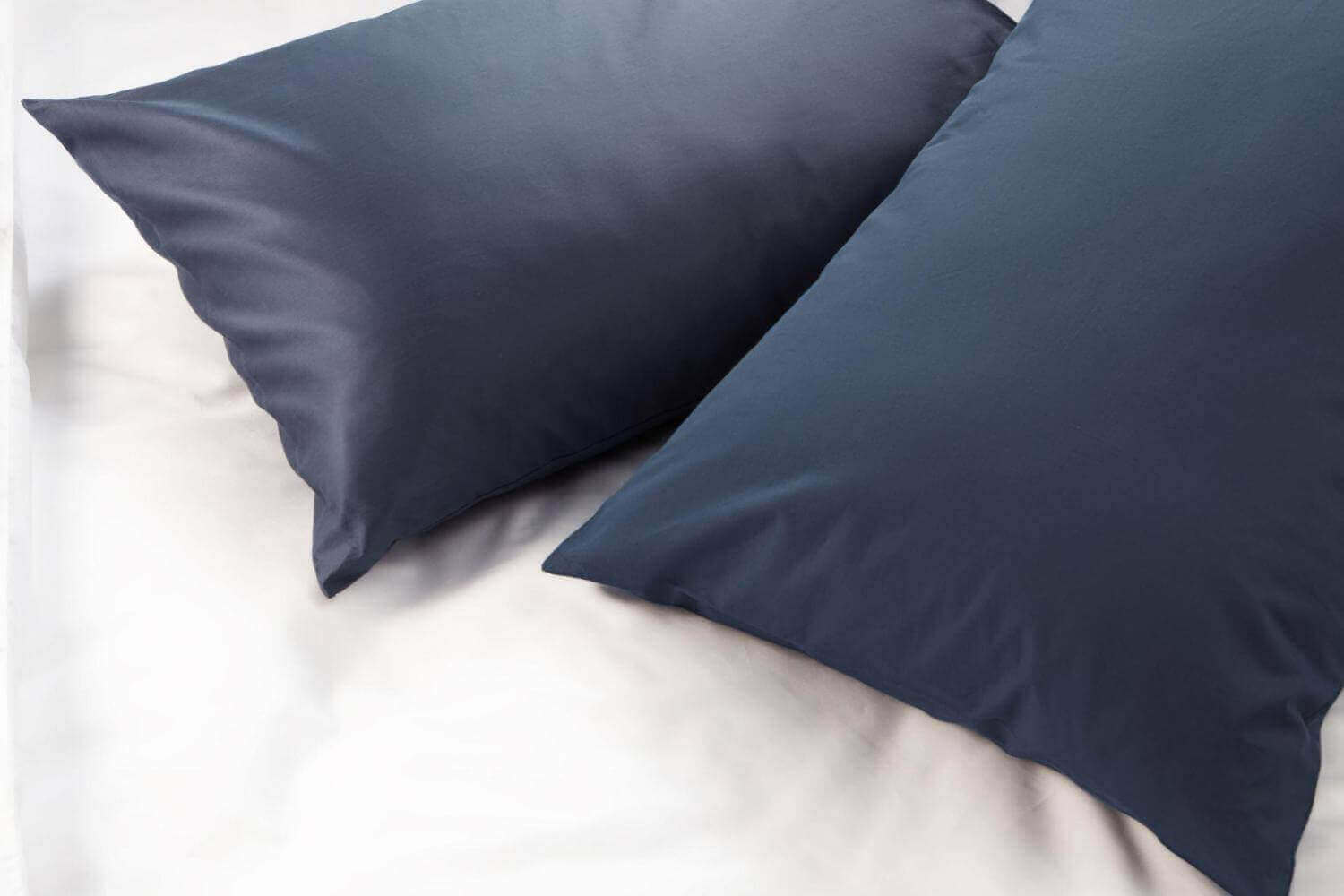
Percale and sateen have different textures.
Sateen on the left has a luminous shine, whereas
The percale on the right has a matte finish.
What is the Difference Between Percale and Sateen?
Percale and sateen are both types of high-quality, durable cotton, with the primary difference between the two being in the way the fabrics are woven. Percale utilises a traditional and relatively simplistic one-yarn-over and one-yarn-under weave. This lends the bed sheets a matte finish and a crisp, cool feel that is perfect for warm climates or the hot summer months. Its simple weave means that the feel and texture of a percale duvet cover will only get better after each wash. What's more, percale is incredibly durable, meaning that you won't have to replace it in six months because it has become bobbled or faded.
Sateen is more fragile than percale, offering a silky and more luxurious feel. The weave of this fabric is woven using a one yarn under and three yarn over technique. This exposes more threads to the surface of the duvet cover or pillowcase, meaning you'll rest your head on a bed with a softer sheen. Sateen is naturally resistant to wrinkles (ideal for shoppers who prefer not to iron). It has a heavier weight than percale, meaning that if you choose a sateen sheet, you can comfortably use it throughout the year.
Matter of Personal Preference
Knowledge is power. Now that you're better informed about the differences between percale and sateen, you're in a better position to choose the sheets that will suit your bed and your lifestyle. Whatever you're looking for, the good news is that at Bedable, you'll find a wide selection of high-quality sheets, perfect for revolutionising the look and feel of your bed, as well as the quality of your sleep. Remember, it's your bed, so it's your choice!
Key Differences Between Percale and Sateen
Understanding the fundamental differences between percale and sateen is essential in making an informed decision. While both are made from cotton fibres, their weave structures set them apart.
-
Weave Type: Percale features a plain weave, characterised by a one-over-one-under pattern. This results in a matte finish and a crisp feel. Sateen, on the other hand, is made using a satin weave, typically three-over-one-under, giving it a silky sheen.
-
Texture and Appearance: Percale is known for its smooth yet cool texture, ideal for those who prefer a lightweight and breathable fabric. Sateen's texture is smoother and more lustrous, offering a more luxurious look and feel.
-
Weight and Breathability: Percale's light and airy nature makes it highly breathable, perfect for warmer climates or those who tend to sleep hot. Sateen, being slightly heavier, provides a warmer sleep environment, suitable for cooler seasons.
By understanding these key differences, you can begin to determine which fabric aligns better with your personal preferences and climatic needs.
Benefits of Percale Bedding
Percale bedding is renowned for its crisp, fresh feel, akin to the linens found in high-end hotels. This makes it a popular choice for those who appreciate a cool and breathable sleeping experience.
One of the primary benefits of percale is its durability. The tight weave not only contributes to its longevity but also ensures it becomes softer with each wash. This means that over time, your bedding will continue to deliver a comfortable sleep experience without compromising on quality.
Furthermore, percale's breathability is unmatched. For those who live in warm climates or have a tendency to overheat during the night, percale offers the perfect solution. Its ability to allow air circulation helps regulate body temperature, ensuring you remain comfortable throughout the night.
Benefits of Sateen Bedding
Sateen bedding brings a touch of elegance and luxury to your sleep environment. Its lustrous finish and smooth texture are ideal for those seeking a more opulent feel.
One of the standout benefits of sateen is its warmth. The denser weave traps heat more effectively than percale, making it a great choice for cooler nights or winter months. This quality can be particularly appealing to those who appreciate a cosier and snug sleep setting.
In addition to its warmth, sateen's silky feel is gentle on the skin, which can be advantageous for individuals with sensitive skin. The fabric's smoothness reduces friction, potentially minimising skin irritation and promoting a restful night's sleep.
Comfort and Feel: Which is Better?
When it comes to comfort and feel, personal preference plays a significant role. Both percale and sateen offer unique sensory experiences, each catering to different comfort needs.
Percale's crisp texture is often favoured by those who enjoy a fresh, airy sleep environment. The fabric's matte finish provides a clean and minimalist aesthetic, appealing to those who value simplicity in their bedding choices.
Conversely, sateen's silky smoothness is ideal for those who appreciate a touch of luxury. The fabric drapes elegantly over the bed, creating a sophisticated look that complements a more traditional or sumptuous bedroom style.
Ultimately, the choice between percale and sateen comes down to personal comfort preferences. Consider how you like your bedding to feel against your skin and which aesthetic aligns with your bedroom decor.
Durability and Care: Percale vs. Sateen
Durability and ease of care are important factors to consider when choosing bedding. Both percale and sateen have their own maintenance requirements, which can influence your decision.
Percale Care and Durability
-
Longevity: Percale is highly durable due to its tight weave. It maintains its integrity over time, becoming softer with each wash.
-
Care Instructions: Percale is relatively low maintenance. It can be machine washed and dried, although it's advisable to follow specific care instructions to prevent excessive wrinkling.
Sateen Care and Durability
-
Longevity: While sateen is durable, its delicate weave requires more careful handling to avoid snags or pilling.
-
Care Instructions: Sateen often necessitates gentle washing and drying. It's recommended to use mild detergents and avoid high heat to preserve its lustrous finish.
By understanding the care requirements of each fabric, you can ensure your bedding remains in excellent condition, providing comfort and style for years to come.
Choosing the Right Bedding for Your Needs
Selecting the right bedding involves considering various factors, including climate, personal preferences, and lifestyle.
-
Climate Considerations: If you reside in a warmer climate or experience hot nights, percale's breathability might be more suitable. Conversely, sateen's warmth is ideal for cooler climates or those who prefer a cosier sleep environment.
-
Lifestyle and Habits: Consider how often you plan to wash your bedding. If you require easy maintenance, percale's resilience might be advantageous. Sateen, while luxurious, requires more attention to maintain its appearance.
-
Personal Preferences: Evaluate what you value most in your bedding. Is it the crispness of percale or the silkiness of sateen? Your personal comfort and aesthetic preferences should guide your decision.
By weighing these factors, you can confidently choose the bedding that aligns with your needs, ensuring a restful and satisfying sleep experience.
Common Myths About Percale and Sateen
There are several misconceptions surrounding percale and sateen, which can cloud your decision-making process. Let's debunk some common myths.
-
Myth: Sateen is always silkier than percale.
-
Truth: While sateen is generally smoother due to its weave, high-quality percale can also offer a soft and smooth texture.
-
-
Myth: Percale is less durable than sateen.
-
Truth: Percale's tight weave actually enhances its durability, making it a long-lasting option when cared for properly.
-
-
Myth: Sateen is too warm for most climates.
-
Truth: While sateen is warmer, it can still be suitable in moderate climates, especially if you prefer a snug sleeping environment.
-
By dispelling these myths, you can make a more informed choice and select bedding that truly meets your expectations and needs.
How to Properly Care for Your Bedding
Caring for your bedding is crucial in preserving its quality and longevity. Here are some tips to ensure your percale and sateen sheets remain in top condition.
Percale Care Tips
-
Washing: Use a gentle cycle with cold or warm water. Avoid bleach as it can weaken the fabric.
-
Drying: Tumble dry on low heat or line dry to minimise wrinkles. Remove promptly from the dryer to maintain crispness.
-
Ironing: If desired, iron on a low setting to restore its smooth appearance.
Sateen Care Tips
-
Washing: Wash on a gentle cycle with cold water. Use mild detergents to protect the fabric's sheen.
-
Drying: Air dry or tumble dry on low heat. High temperatures can damage the fabric's finish.
-
Ironing: Iron on a low setting if needed, being cautious not to apply too much heat.
By following these care guidelines, you can extend the life of your bedding, ensuring it continues to provide comfort and style.
Conclusion: Making the Best Choice for Your Sleep
Choosing between percale and sateen involves careful consideration of various factors, from texture and feel to durability and care. By understanding the unique properties of each fabric and how they align with your personal preferences and needs, you can make an informed decision that enhances your sleep quality.
Whether you prefer the crisp, cool embrace of percale or the warm, silky touch of sateen, prioritising your comfort and lifestyle will guide you towards the right choice. Investing in quality bedding is an investment in your well-being, ensuring you wake up refreshed and rejuvenated each day.
People Also Asked
Which is better, percale or sateen?
Percale and sateen each have their merits. Percale is crisp and cool, ideal for hot sleepers, whilst sateen is silky and warm, perfect for those who prefer a luxurious feel. The choice depends on personal preference and sleeping habits.
Do hotels use percale or sateen bedding?
Most hotels opt for percale bedding due to its crisp, cool feel and durability. Percale's tight weave withstands frequent washing, making it a practical choice for the hospitality industry.
What are the disadvantages of percale sheets?
Percale sheets can be prone to wrinkling and may feel slightly rough when first used. They might also feel too cool for those who prefer warmer bedding. Some find percale less soft compared to other fabrics.
Which wrinkles more, percale or sateen?
Percale sheets tend to wrinkle more than sateen. The crisp nature of percale makes it more susceptible to creasing, whilst sateen's smoother surface resists wrinkles better.
Do most hotels use percale sheets?
Indeed, most hotels favour percale sheets. The fabric's durability, breathability, and crisp feel align with the fresh, clean aesthetic that hotels aim to provide their guests.
Why do people like percale sheets?
People appreciate percale sheets for their crisp, cool feel and breathability. They're ideal for hot sleepers and those living in warm climates. Percale's durability and classic, hotel-like appearance also contribute to its popularity.
What sheets do five-star hotels use?
Five-star hotels typically use high-quality percale or sateen sheets with a thread count ranging from 300 to 500. Egyptian or Supima cotton is a popular choice due to its luxurious feel and exceptional durability.
Which is better, percale or linen?
Percale and linen have distinct qualities. Percale is smoother and crisper, whilst linen is more textured and exceptionally breathable. Linen is cooler but wrinkles easily, whereas percale is more wrinkle-resistant.
Is Egyptian cotton percale or sateen?
Egyptian cotton refers to the type of cotton, not the weave. It can be woven into either percale or sateen. The weave determines the fabric's characteristics, whilst Egyptian cotton ensures high quality regardless of the weave.
Why are percale sheets so noisy?
Percale sheets can be noisy due to their crisp nature and tight weave. This characteristic is more noticeable when the sheets are new and tends to diminish with use and washing.
Is percale 100% cotton?
Percale refers to the weave, not the material. While percale sheets are often made from 100% cotton, they can also be made from cotton blends or other materials. Always check the label for fabric composition.
Why is percale so expensive?
Percale can be expensive due to its high-quality, long-staple cotton and the tight weave that requires more threads per square inch. The durability and luxurious feel of percale also contribute to its higher price point.
What is the best thread count for percale sheets?
The ideal thread count for percale sheets ranges from 200 to 400. This range provides the perfect balance of softness, durability, and breathability without compromising the crisp feel characteristic of percale.
Do percale sheets pill easily?
Percale sheets are less likely to pill compared to other weaves. The tight, flat weave of percale resists pilling, especially when made from high-quality, long-staple cotton fibres.
Do sateen sheets get softer after washing?
Yes, sateen sheets typically become softer with each wash. The smooth surface of sateen allows for gradual softening without losing its characteristic lustre, enhancing comfort over time.
What are the cons of percale sheets?
Cons of percale sheets include a tendency to wrinkle, potential roughness when new, and a cool feel that might not suit everyone. They may also be more expensive and can be noisy when new.
What is the best brand of percale sheets?
Determining the 'best' brand is subjective, but well-regarded percale sheet brands include Brooklinen, Parachute, and The White Company. These brands are known for their quality, durability, and comfort.
Why do hotel sheets feel so good?
Hotel sheets feel good due to their high-quality materials, often percale weave, and professional laundering. Hotels typically use sheets with an optimal thread count and replace them frequently, ensuring a consistently luxurious feel.
Which wrinkles less, percale or sateen?
Sateen sheets wrinkle less than percale. The smoother surface and different weave structure of sateen make it naturally more wrinkle-resistant, maintaining a neater appearance with less ironing.
Are bamboo or percale sheets better?
Bamboo and percale sheets have different qualities. Bamboo is softer and more eco-friendly, whilst percale is crisper and more durable. The choice depends on personal preferences for texture, temperature regulation, and environmental concerns.
Does percale make you sweat?
Percale is less likely to cause sweating due to its breathable and moisture-wicking properties. The crisp, cool feel of percale makes it an ideal choice for hot sleepers or those in warm climates.
What is the difference between percale and sateen?
The main difference lies in the weave. Percale uses a one-over-one-under weave, resulting in a crisp, matte finish. Sateen features a three-over-one-under weave, resulting in a smoother, more lustrous surface. Percale is cooler and more breathable, whilst sateen is softer and warmer.

Share:
How to Choose The Right Bedding
Why Choose Cotton Bedding?