

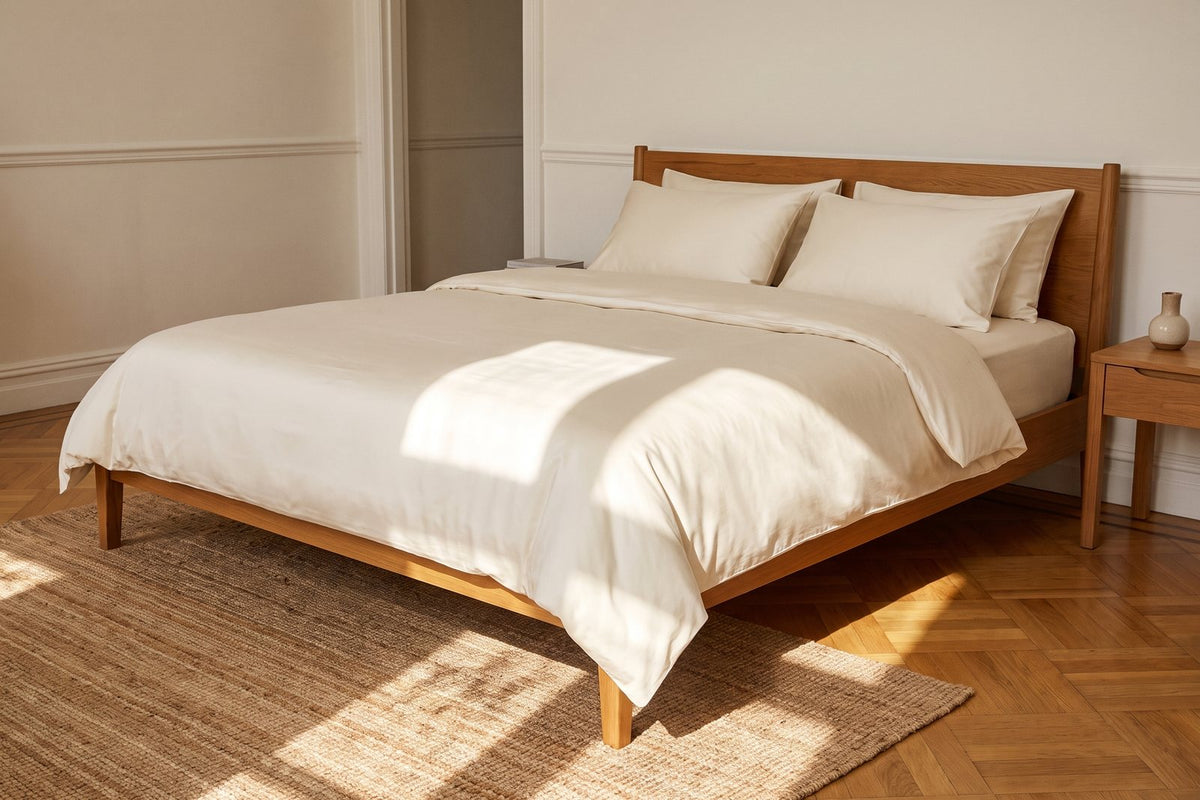
Choosing the right bed size affects far more than sleeping comfort alone. Bed dimensions influence how spacious the room feels, how furniture fits around the layout, and how practical the bedroom remains during everyday use. In UK homes where room sizes vary widely, choosing the right bed is often a key step in creating a space that feels both comfortable and practical. Understanding standard UK bed sizes and realistic bedroom proportions helps prevent overcrowded layouts while improving overall comfort long-term.
UK Bed Sizes Follow a Clear Size Progression

UK beds increase gradually in width and sleeping space, starting from compact single beds and progressing towards much larger king size and super king options. Standard UK sizes commonly include:
- Single beds
- Small double beds
- Double beds
- King size beds
- Super king beds
Each size suits different room layouts and sleeping needs. Understanding how mattress dimensions affect overall floor clearance and everyday room circulation helps create more balanced bedroom setups.
Single and small double beds are particularly useful in bedrooms where preserving floor space is important. Children’s rooms, guest bedrooms, student accommodation, and smaller flats often benefit from more compact bed sizes because they leave additional room for desks, wardrobes, and movement throughout the space. Smaller beds help maintain practical space efficiency while still supporting comfortable daily functionality within compact interiors.
Double Beds Remain the Most Versatile Option

Double beds continue to be one of the most popular choices across UK homes because they provide a strong balance between comfort and practicality. They are large enough for two sleepers while still fitting comfortably into many medium-sized bedrooms. Double beds commonly work well in:
- Main bedrooms
- Guest rooms
- Rental properties
- Flats and apartments
Balancing reliable sleeping comfort with manageable bedroom layout is one reason double beds remain so widely used.
King Size and Super King Beds Prioritise Comfort

Larger bed sizes such as king and super king options provide significantly more personal sleeping space, particularly for couples who prefer additional room during the night. These larger mattresses can improve overall sleep comfort while also creating a more luxurious appearance within the bedroom itself. However, they naturally require larger rooms with better surrounding clearance to avoid making the layout feel restricted. Improving both night-time comfort and balanced room proportions becomes especially important with oversized beds.
Mattress Dimensions Affect Bedding Compatibility
Bed sizing is not only important for the mattress itself. Bedding, duvet covers, fitted sheets, mattress protectors, and bed frames all need to match the correct UK dimensions to fit properly. Mattress depth should also be considered carefully, particularly with modern deeper mattresses or additional toppers. Understanding overall bedding compatibility alongside accurate mattress sizing helps avoid fitting problems and improves bedroom appearance long-term.
International Bed Sizes Can Create Confusion
European and US bed sizes often differ slightly from UK standards, even when the names appear similar. For example, UK double beds are not the same dimensions as US full-size or European double mattresses. These differences can affect both bedding fit and room planning when buying imported furniture or mattresses online. Comparing correct international dimensions and practical bed frame compatibility helps avoid unnecessary sizing issues later.
Bed Frame Design Influences the Final Bedroom Layout
The total footprint of the bed often depends heavily on the frame style rather than only the mattress measurements. Upholstered frames, oversized headboards, storage drawers, and thicker side panels can all increase the amount of floor space required around the bed. Slimmer frames generally work more effectively in compact bedrooms because they preserve more visible floor area. Combining balanced frame proportions with practical bedroom planning helps rooms feel more spacious and organised overall.
Choosing the Right Bed Size Improves Everyday Comfort
The best bed size ultimately depends on the room dimensions, sleeping habits, storage needs, and overall lifestyle of the household. A bed should feel comfortable without making the room feel overcrowded or difficult to move around. Whether selecting a compact single bed or a spacious super king, understanding UK bed sizes helps create bedrooms that feel practical, comfortable, and visually balanced throughout everyday use. Keep reading to explore more detailed insights about bed sizes and discover practical expert tips you can easily apply within your own home and bedroom layout.
Mattress Sizes UK Explained for Different Bedroom Types
Understanding Mattress Sizes UK layouts and standards is essential when planning a comfortable and practical bedroom. Mattress size affects far more than sleeping space alone. It also influences room layout, furniture positioning, storage options, and overall bedroom comfort. The right mattress should feel proportionate to the room while still supporting comfortable movement and long-term sleep quality. In UK homes where bedroom dimensions can vary significantly, selecting the correct mattress size becomes especially important.
UK Mattress Sizes Range From Single to Super King
UK mattress sizing follows a structured progression that increases gradually in width and overall sleeping space. Standard options commonly include:
- Single mattresses
- Small double mattresses
- Double mattresses
- King size mattresses
- Super king mattresses
Each option suits different room sizes and sleeping requirements. Understanding the relationship between mattress dimensions and practical bedroom spacing helps create more balanced and functional interiors.
Bedroom Layout Influences the Best Mattress Choice
Even a comfortable mattress can feel impractical if it overwhelms the room itself. Smaller bedrooms often benefit from single or small double mattresses because they leave more visible floor space and easier movement around furniture. Larger bedrooms naturally allow more flexibility for king-size and super king layouts. Maintaining good room circulation and balanced floor clearance helps bedrooms feel calmer and easier to use daily.
Sleeping Habits Affect Mattress Size Preferences
The best mattress size also depends heavily on personal sleeping habits and lifestyle. Single sleepers who move frequently during the night may prefer double beds for additional space, while couples often benefit from king-size options that provide more personal sleeping room. Families with pets or children occasionally sharing the bed may also prioritise wider mattress sizes for improved comfort. Balancing reliable sleep quality with practical space efficiency often determines the most suitable option.
Mattress Depth and Bed Frames Also Matter

Mattress sizing is not only about width and length. Depth can also affect overall bed height, bedding compatibility, and room appearance. Deeper mattresses may require fitted sheets with greater stretch and can change how bulky or minimal the bed frame feels visually. Upholstered frames and storage beds may also increase the total footprint of the bed itself. Considering both mattress depth and overall bed frame dimensions creates more accurate bedroom planning long-term.
Double Bed Size UK Measurements and Bedroom Planning
The standard Double Bed Size UK measurements make this one of the most versatile and widely used bed options across British homes. A UK double bed typically measures 135 cm wide by 190 cm long, offering enough sleeping space for two people while still fitting comfortably into many medium-sized bedrooms. Because of this balance between comfort and practicality, double beds are commonly chosen for main bedrooms, guest rooms, flats, and rental properties.
Double Beds Balance Sleeping Space and Room Functionality
One reason double beds remain so popular is because they provide comfortable sleeping dimensions without dominating the entire room layout. In many UK homes, especially properties with more compact bedrooms, larger beds can quickly reduce walking space and furniture flexibility. Double beds often create a more manageable balance between usable floor space and reliable sleeping comfort, particularly in medium-sized rooms.
Mattress and Frame Sizes Can Differ Slightly
Although standard double mattress measurements remain relatively consistent, the final size of the bed itself may vary depending on the frame style selected. Upholstered frames, thicker headboards, and built-in storage beds can all increase the amount of space required around the bed. Important sizing considerations often include:
- Mattress dimensions
- Frame thickness
- Storage drawer clearance
- Headboard size
Understanding complete bed frame dimensions alongside mattress sizing helps avoid layout issues later.
Double Beds Work Across Many Different Room Types
Double beds are flexible enough to suit a wide range of interiors and lifestyles. They commonly work well in:
- Main bedrooms
- Guest bedrooms
- Teen bedrooms
- Flats and apartments
Their balanced size allows rooms to feel functional without sacrificing too much sleeping space. Maintaining comfortable room circulation alongside suitable bed proportions helps bedrooms remain practical for daily use.
Bedding Compatibility Is Important With UK Double Beds
Standard UK double beds require double-sized fitted sheets, duvet covers, and mattress protectors designed around UK measurements. Mattress depth should also be checked carefully because deeper mattresses or additional toppers may affect fitted sheet compatibility. Choosing the correct bedding sizes and understanding overall mattress proportions helps improve both comfort and bedroom appearance long-term.
King Size Bed Dimensions UK for Larger Bedrooms
The standard King Size Bed Dimensions UK measurements provide noticeably more sleeping space compared to double beds, making king size options especially popular for couples who prioritise comfort. A UK king size bed typically measures 150 cm wide by 200 cm long, offering additional width and length that can significantly improve sleep quality. These dimensions also create a more spacious and luxurious appearance within larger bedrooms while remaining practical for many modern UK homes.
Additional Width Makes a Big Difference for Couples
Although king size beds are only slightly wider than standard doubles on paper, the extra space often feels much more noticeable during everyday use. Couples who move frequently during the night or prefer more personal sleeping room usually benefit from the increased width. The added length can also improve comfort for taller sleepers who may feel restricted in shorter beds. Better sleeping space and improved night-time comfort are some of the main reasons people upgrade to king size beds.
Larger Beds Need More Bedroom Clearance
A king size bed naturally requires more surrounding floor space to maintain comfortable movement around the room. Bedrooms that are too compact may feel overcrowded once bedside tables, wardrobes, and additional furniture are added alongside the bed itself. Rooms suited to king size beds often benefit from:
- Wider walking clearance
- Larger bedside furniture
- More balanced room proportions
- Greater storage flexibility
Maintaining practical room circulation alongside larger bed dimensions helps bedrooms feel more comfortable overall.
King Size Beds Create a More Luxurious Bedroom Feel
Beyond practical comfort, king size beds also influence the visual atmosphere of the room itself. Larger beds often become a central focal point within the bedroom, creating a calmer and more hotel-inspired appearance. Upholstered headboards, layered bedding, and generously sized duvets pair especially well with king size beds, helping to create a balanced look while enhancing the overall feeling of comfort. Improving both visual balance and overall bedroom comfort helps create more relaxing interiors.
Bedding and Mattress Sizing Must Match UK Standards

King size bedding in the UK is specifically designed around standard UK king mattress dimensions. Fitted sheets, duvet covers, mattress protectors, and bed frames should all match UK sizing rather than international measurements to avoid fitting problems. Mattress depth should also be checked carefully, particularly for deeper mattresses or pillow-top styles. Understanding correct UK bedding sizes and overall mattress compatibility helps ensure the bed feels both comfortable and visually well-fitted long-term.
Pillowcases follow their own sizes: a UK standard pillowcase measures 50 x 75cm and a king pillowcase 50 x 90cm, so check our pillowcase sizes guide before you buy.
Single Bed Size UK Measurements and Everyday Practicality
The standard Single Bed Size UK dimensions make single beds one of the most practical options for children’s bedrooms, guest rooms, and compact living spaces. A standard UK single bed measures approximately 90 cm wide by 190 cm long, offering enough space for one sleeper while helping preserve valuable floor space within smaller rooms. Because of their compact footprint, single beds remain especially useful in homes where bedroom layouts need to balance comfort with storage and movement.
Single Beds Work Well in Smaller Bedrooms

One of the biggest advantages of single beds is how efficiently they fit into more compact spaces. Bedrooms that may feel overcrowded with larger beds often remain much more functional with a single layout. This additional floor space creates more flexibility for:
- Wardrobes and drawers
- Study desks
- Play areas
- Walking clearance
Maintaining practical room functionality alongside better space efficiency helps smaller bedrooms feel more open and comfortable overall.
Standard Length Still Suits Many Adults
Although single beds are most commonly associated with children’s rooms, the standard 190 cm length can still comfortably suit many adult sleepers. Guest bedrooms, studio flats, and occasional-use rooms often benefit from single beds because they provide practical sleeping space without dominating the layout. For taller adults, however, larger bed sizes or extended-length mattresses may provide better comfort long-term. Balancing reliable sleeping comfort with practical bedroom sizing helps determine whether a single bed is the right fit.
Bed Frame Style Influences the Final Footprint
The total amount of floor space required often depends on the frame itself rather than only the mattress dimensions. Slim metal or wooden frames usually feel lighter within compact bedrooms, while upholstered or storage frames may increase the overall footprint significantly. Important sizing factors often include:
- Headboard thickness
- Under-bed storage
- Frame width
- Bedside clearance
Understanding complete bed frame dimensions alongside mattress sizing creates more accurate room planning.
Single Beds Remain Highly Flexible Across Different Homes
Single beds continue to suit a wide variety of interiors because they combine practicality with efficient use of space. They commonly work well in:
- Children’s bedrooms
- Guest rooms
- Student accommodation
- Smaller flats and apartments
Their compact design helps maintain comfortable floor clearance while still supporting everyday sleeping practicality within smaller living spaces.
Super King Size Bed UK Dimensions and Bedroom Requirements
The standard Super King Size Bed UK measurements make this the largest commonly available bed size within the UK market. Measuring approximately 180 cm wide by 200 cm long, super king beds are designed for maximum sleeping space and comfort. They are especially popular in larger master bedrooms where creating a spacious and luxurious sleeping environment is a priority. While the additional width provides exceptional comfort for couples, super king beds also require significantly more surrounding floor space compared to smaller bed sizes.
Extra Width Creates a More Spacious Sleeping Experience
One of the biggest advantages of a super king bed is the amount of personal sleeping space it provides. Couples who prefer more room during the night often notice a major difference when upgrading from double or king-size beds. The wider mattress can also feel more comfortable for families with young children or pets occasionally sharing the bed. Improved sleeping width and stronger night-time comfort are some of the main reasons super king beds are considered a premium option.
Larger Bedrooms Suit Super King Beds Best
Because of their size, super king beds work most effectively in bedrooms with generous floor space and wider layouts. Smaller bedrooms can quickly feel restricted once wardrobes, bedside tables, and storage furniture are added around a super king frame. Bedrooms designed for super king beds often benefit from:
- Wider walking clearance
- Larger bedside furniture
- More open room proportions
- Spacious storage layouts
Maintaining balanced room circulation alongside oversized bed dimensions helps larger bedrooms remain practical and visually comfortable.
Bedding and Mattress Sizing Must Match Properly
Super king beds require specially sized bedding designed specifically around UK super king dimensions. Standard king bedding will not provide enough coverage for the mattress itself. Mattress depth should also be checked carefully because deeper luxury mattresses may affect fitted sheet compatibility. Understanding correct bedding proportions and overall mattress compatibility helps maintain both comfort and bedroom appearance long-term.
Super King Beds Create a Luxury Bedroom Atmosphere

Beyond practical sleeping comfort, super king beds strongly influence the visual atmosphere of the room. Their larger scale naturally creates a more hotel-inspired appearance, especially when paired with layered bedding, oversized headboards, and balanced furniture placement. In spacious bedrooms, super king beds often become the central focal point of the interior itself. Combining generous bedroom proportions with enhanced visual balance helps create a calmer and more luxurious sleeping environment overall.
Small Double Bed Size UK Measurements and Bedroom Benefits
The standard Small Double Bed Size UK measurements make small doubles one of the most practical options for compact bedrooms where a standard double may feel too large. A small double bed typically measures approximately 120 cm wide by 190 cm long, offering more sleeping space than a single bed while still preserving valuable floor area within the room. This balance between comfort and practicality makes small doubles especially popular in guest rooms, teenagers’ bedrooms, and smaller flats.
Small Double Beds Save More Floor Space

One of the biggest advantages of a small double bed is how much additional room it leaves available compared to a standard double. Bedrooms that may feel restricted with wider beds often remain more open and functional with a small double layout. This extra space can improve:
- Walking clearance
- Wardrobe access
- Desk positioning
- Storage flexibility
Maintaining better space efficiency alongside practical room circulation helps compact bedrooms feel more comfortable overall.
Small Double Beds Offer Extra Comfort for Solo Sleepers
Although small doubles are narrower than standard doubles, they still provide generous sleeping space for one person. Many single sleepers prefer small doubles because they offer more freedom of movement during the night without occupying excessive floor space. Guest rooms also benefit from this balance because the bed remains comfortable while keeping the room visually lighter. One reason small double beds continue to become more popular is their ability to enhance sleeping comfort while still maintaining a practical and functional bedroom layout.
Couples May Find the Width More Limited
While small double beds can technically accommodate two people, couples may notice the reduced width compared to standard double or king-size options. The smaller dimensions can feel more restrictive for people who move frequently during sleep or prefer additional personal space. Bedrooms used regularly by couples often benefit from evaluating both bed width and long-term night-time comfort before selecting a smaller mattress size.
Bed Frame Style Influences the Overall Footprint
The total amount of room required often depends on the bed frame itself rather than only the mattress dimensions. Upholstered frames, larger headboards, and built-in storage can all increase the final footprint of the bed within the room. Slimmer frames generally work better in compact layouts because they preserve more visible floor space. Considering complete bed frame dimensions alongside practical room proportions helps create more balanced bedroom layouts long-term.
UK Bed Sizes in cm Explained for Different Mattress Types
Understanding UK Bed Sizes in cm makes bedroom planning significantly easier, especially when comparing mattress sizes across different room layouts. Measurements in centimetres provide a clearer understanding of how much floor space each bed will occupy and how comfortably it will fit alongside wardrobes, bedside tables, and storage furniture. From single beds to super king sizes, each mattress option creates a very different balance between sleeping comfort and overall room functionality.
Standard UK Bed Sizes Follow a Clear Progression
UK mattress sizing increases gradually in width and sleeping space as bed sizes become larger. Common UK bed measurements include:
- Single: 90 cm x 190 cm
- Small Double: 120 cm x 190 cm
- Double: 135 cm x 190 cm
- King Size: 150 cm x 200 cm
- Super King: 180 cm x 200 cm
Understanding these standard mattress dimensions helps create more accurate bedroom layouts before purchasing furniture or bedding.
Larger Beds Require More Surrounding Clearance

As bed sizes increase, the amount of surrounding floor space required also becomes more important. A mattress may physically fit within the room, but without enough space to move around it comfortably, the overall layout can still feel restrictive and impractical. Larger beds often need:
- Wider bedside clearance
- Additional storage space
- Better furniture positioning
- Larger visual proportions
Balancing practical room circulation with suitable bed sizing helps bedrooms feel more comfortable and functional overall.
Mattress Size Influences Sleep Comfort Significantly
Sleeping comfort often improves as mattress width increases because each sleeper has more personal space throughout the night. Couples who share smaller beds may notice restricted movement or reduced comfort compared to wider king-size or super king layouts. However, larger mattresses are not always the best solution if they make the room feel overcrowded. Improving both sleep quality and overall space efficiency helps create more balanced bedroom environments.
Bedding and Frame Compatibility Must Match UK Sizes
UK bed sizes are specifically designed around UK-standard bedding and mattress dimensions. Imported bed frames or international mattress sizes may not always align correctly with UK bedding measurements, particularly when comparing European or US sizing systems. Mattress depth should also be considered carefully when selecting fitted sheets or protectors. Understanding both bedding compatibility and complete bed frame sizing helps avoid unnecessary fitting issues later.
Bed Sizes in Order UK From Smallest to Largest
Understanding Bed Sizes in Order UK helps make bedroom planning much easier, especially when comparing different mattress options for comfort, room layout, and everyday practicality. UK bed sizing follows a clear progression, starting from compact single beds and increasing gradually towards larger king size and super king options. Each size suits different lifestyles, room dimensions, and sleeping requirements, which is why choosing the right order and proportion matters when furnishing a bedroom.
UK Bed Sizes Increase Gradually in Width
The most noticeable difference between UK bed sizes is usually the width rather than the length. As mattress sizes increase, sleepers gain more personal space while the bed naturally occupies more of the room itself. Standard UK bed sizes in order typically include:
- Single
- Small Double
- Double
- King Size
- Super King
Understanding how each option changes overall sleeping space and practical room proportions helps create more balanced bedroom layouts.
Smaller Beds Work Better in Compact Bedrooms
Single and small double beds are commonly used in rooms where preserving floor space is especially important. Children’s bedrooms, guest rooms, studio flats, and smaller properties often benefit from more compact bed sizes because they allow easier movement and additional furniture flexibility. Maintaining practical floor clearance and comfortable room circulation helps smaller spaces feel far less restricted.
Double and King Beds Balance Comfort and Functionality
Double and king size beds are often considered the most versatile choices for couples and medium-to-large bedrooms. Double beds offer practical sleeping space without dominating the room, while king size beds provide additional width and comfort for shared sleeping arrangements. These mid-range sizes commonly work well in:
- Main bedrooms
- Family homes
- Guest bedrooms
- Flats and apartments
Balancing reliable sleeping comfort with practical bedroom functionality is one reason these sizes remain extremely popular.
Super King Beds Prioritise Maximum Sleeping Space
At the top end of UK bed sizing, super king beds provide the largest amount of sleeping space available within standard UK measurements. They are particularly suited to spacious master bedrooms where comfort and luxury are prioritised over saving floor space. However, larger beds also require greater walking clearance and more careful furniture positioning to avoid making the room feel overcrowded. Combining generous bed dimensions with balanced room layout planning helps larger bedrooms feel comfortable and visually proportionate.
European Bed Sizes UK Differences Explained Clearly
Understanding European Bed Sizes UK differences is important because European mattresses and bed frames do not always match standard UK dimensions. Although many sizes appear visually similar, even small measurement differences can affect bedding compatibility, room planning, and overall sleeping comfort. This becomes especially relevant when purchasing imported furniture, European bed frames, or mattresses from international retailers. Knowing how European and UK sizing systems compare helps avoid fitting problems later.
European Beds Are Often Slightly Longer and Wider
One of the biggest differences between UK and European bed sizes is the overall mattress dimensions. European mattresses are commonly slightly wider or longer compared to their UK equivalents. For example, a European double bed often measures around 140 cm x 200 cm, while a standard UK double measures approximately 135 cm x 190 cm. These differences may seem relatively small but can still affect both bedding compatibility and practical bedroom planning significantly.
Bedding Fit Is Usually the Main Challenge
The most common issue people experience with European beds in the UK involves fitted sheets, duvet covers, and mattress protectors. UK bedding sizes are specifically designed around UK mattress measurements, which means European mattresses may not fit standard UK bedding properly. Common compatibility issues often include:
- Tight fitted sheets
- Incorrect duvet proportions
- Mattress depth differences
- Bed frame sizing mismatches
Checking exact mattress measurements and correct bedding dimensions before purchasing helps avoid unnecessary problems later.
European Beds Can Feel More Spacious
Because many European mattresses are slightly longer or wider, they can sometimes feel more spacious and comfortable, particularly for taller sleepers. However, the additional dimensions may also require more surrounding floor space within smaller UK bedrooms. Bedrooms that already feel compact may become more restricted once larger international mattress sizes are added. Maintaining practical room circulation alongside comfortable sleeping space remains important regardless of the sizing system used.
Bed Frames and Mattresses Should Match the Same System
One of the easiest ways to avoid sizing issues is to keep both the mattress and bed frame within the same measurement system whenever possible. Mixing UK frames with European mattresses can sometimes create fitting inconsistencies, particularly around mattress depth and frame width. Considering complete bed frame compatibility alongside correct mattress sizing helps create a more comfortable and practical bedroom setup overall.
UK vs US Bed Sizes: Understanding the Key Differences
The comparison between UK vs US bed sizes often confuses because beds with similar names can have completely different dimensions depending on the country. Terms such as double, queen, and king size do not always translate directly between UK and US sizing systems, which can create problems when buying mattresses, bed frames, or bedding internationally. Understanding the differences between the two systems helps avoid sizing mistakes while making bedroom planning much easier overall.
UK and US Mattress Dimensions Are Not Identical
Although some bed names sound familiar across both markets, the measurements themselves are often different. For example, a UK king size bed is not the same size as a US king, and UK homes do not commonly use queen beds in the same way as the US market. Standard UK bed sizes also tend to differ slightly in both width and length compared to American equivalents. These differences affect both mattress compatibility and practical bedroom sizing when purchasing internationally.
Bedding Compatibility Can Become Complicated
One of the biggest challenges with mixing UK and US bed systems is bedding fit. Duvet covers, fitted sheets, and mattress protectors designed for one market may not fit correctly on mattresses from the other. Common compatibility issues often include:
- Incorrect fitted sheet sizing
- Duvet overhang differences
- Mattress depth variations
- Bed frame mismatches
Checking exact bedding measurements and mattress dimensions before buying international products helps prevent unnecessary fitting problems.
US Queen Beds Often Cause the Most Confusion
In the US, queen beds are one of the most common mattress sizes, whereas UK sizing usually moves directly from double to king size. A US queen is generally wider and longer than a UK double, which means UK double bedding will not fit properly. People purchasing imported mattresses or relocating internationally often notice these differences immediately. Understanding both US mattress sizes and standard UK bed dimensions helps make bedroom planning far simpler.
Bedroom Space Requirements Can Also Differ
Because some US mattress sizes are larger overall, they may require more surrounding floor space compared to UK equivalents. Bedrooms designed around UK sizing standards can sometimes feel more restricted when larger imported mattresses are introduced. Maintaining practical room circulation and balanced bedroom proportions remains important regardless of which sizing system is used.
People Also Asked
What Size Is a King Size Bed in the UK?
A standard UK king size bed measures approximately 150 cm wide by 200 cm long. This provides more sleeping space than a standard double bed, making king size beds especially popular for couples who prefer extra room during the night. The increased dimensions also create a more spacious and luxurious bedroom appearance overall. Balancing improved sleeping comfort with suitable bedroom proportions is important when selecting a king size layout.
What Is the Most Popular Bed Size in the UK?
Double beds are generally considered the most popular bed size in the UK because they balance comfort with practicality extremely well. They provide enough space for two sleepers while still fitting comfortably into many standard UK bedrooms. Double beds are commonly used in:
- Main bedrooms
- Guest rooms
- Flats and apartments
- Rental properties
Their combination of practical floor efficiency and reliable sleeping space makes them suitable for many different households.
What Is the Difference Between a King and Super King Bed?
The main difference between king and super king beds is width. A UK king size bed measures approximately 150 cm wide, while a super king increases to around 180 cm wide. Both sizes usually share the same 200 cm length, but the super king provides significantly more personal sleeping space. Larger bedrooms generally suit super king beds more comfortably because of their wider dimensions. Improving both night-time comfort and balanced room circulation often determines which option works best.
What Size Is a Small Double Bed?
A standard UK small double bed measures approximately 120 cm wide by 190 cm long. It sits between a single and standard double bed in size, making it particularly useful for compact bedrooms where extra sleeping space is needed without sacrificing too much floor area. Small doubles are commonly chosen for guest rooms, teenagers’ bedrooms, and smaller flats. Maintaining practical space efficiency alongside comfortable sleeping dimensions is one reason small doubles remain popular.
What Bedroom Size Do I Need for a King Size Bed?
A king size bed works best in bedrooms that allow enough surrounding space for walking clearance, bedside furniture, and storage access. Although the bed itself may technically fit inside smaller rooms, limited clearance around the frame can quickly make the layout feel overcrowded. Bedrooms with stronger room proportions and comfortable floor clearance usually support king-size beds much more effectively.
Are UK and European Bed Sizes the Same?
No, UK and European bed sizes are not the same. European mattresses are often slightly wider or longer compared to their UK equivalents, even when the bed names appear similar. These differences can affect bedding compatibility, mattress fit, and bedroom planning. Checking exact mattress dimensions and overall bedding compatibility helps avoid sizing issues when buying international products.
What Is a Zip and Link Bed?
A zip and link bed is a flexible bed system made from two separate mattresses that can either remain as single beds or be joined together to form a larger bed, usually a super king. These beds are especially common in hotels, guest rooms, and multi-purpose spaces because they provide more flexibility for different sleeping arrangements. Combining adaptable sleeping layouts with practical room functionality makes zip and link beds a versatile option.
How Much Space Should You Leave Around a Bed?
Ideally, bedrooms should allow enough space to walk comfortably around the bed without making movement feel restricted. Clearance around wardrobes, drawers, and bedside tables also needs to be considered carefully. Bedrooms with better room circulation and balanced furniture spacing generally feel more comfortable and practical during daily use.
Which Bed Size Is Best for Two Adults?
The best bed size for two adults usually depends on sleeping preferences, bedroom size, and how much personal space each person prefers during the night. Double beds often work well in medium-sized bedrooms, while king and super king beds provide additional comfort for couples who prefer more room. Balancing comfortable sleeping width with practical bedroom layout helps determine the most suitable option.
What Are the Disadvantages of a Thick Mattress?
Thicker mattresses can feel more luxurious and supportive, but they may also create practical challenges depending on the bedroom setup. Deep mattresses often require specially fitted sheets, can feel heavier to rotate, and may increase the overall height of the bed significantly. Some thicker mattresses may also make smaller bedrooms feel visually bulkier. Considering both mattress depth and practical bed frame proportions helps create a more balanced bedroom setup.
What Do the British Call a Queen-Size Bed?
In the UK, queen-size beds are not commonly used within standard sizing terminology. British bed sizing typically moves from double directly to king size. The closest UK equivalent to a US queen (around 152 x 203 cm) is the UK king size at 150 x 200 cm. Understanding different international bed terms and standard UK sizing systems helps avoid confusion when shopping for beds or bedding.
Is a Queen Size Bigger Than a King in the UK?
No, a queen size is not bigger than a king size in the UK. A US queen (around 152 x 203 cm) is very close in size to a UK king (150 x 200 cm). Since queen sizing is not part of standard UK terminology, confusion often happens when comparing international mattress systems. Checking exact bed dimensions and overall mattress sizing is the easiest way to compare international bed sizes accurately.


Share:
Pillowcase Sizes Explained: Your Essential Guide to Getting the Perfect Fit