


A zen bedroom is a calm, uncluttered bedroom built on natural materials, soft neutral colours and as few objects as possible, so that nothing in the room competes with sleep. The bed sets the tone: crisp white, cream or warm beige cotton bedding does more for a calm room than any accessory. Below, three wellbeing experts share their advice, followed by ten zen bedroom ideas you can put into practice this weekend.
It’s becoming increasingly important for our homes to be a place of inner peace. We’re all too often looking for somewhere to escape after a long day at work, even if that has been at a desk at home. That’s why finding ways to wind down well, away from the chaos of the outside world, starts at home. Specifically, our bedrooms make the ultimate personal pamper zone. As the place where you start and end your day, your sleeping quarters should be a refuge for self-care and satisfactory sleep. Yet, we all understand that having a room that feels like a private getaway may only feel like a dream…
To help this become a reality, we spoke to three holistic experts for their tips on creating a zen bedroom for cloud-like sleep. Suzanne Roynon is the UK’s leading Interiors Therapist. With a focus on designing a space that energetically supports and nurtures its occupants, Suzanne suggests ‘the bedroom is a fantastic place to begin reviewing a home. Quality sleep is vital to well-being, and the bedroom should feel like a sanctuary from the outside world. Inbaal Honigman, a psychic expert specialising in colour symbolism, also believes in making your sleep environment as restful as possible. Together with meditation expert Julie Smith, who offers her guide on getting to sleep once the space is set, their advice for the ultimate sleep sanctuary will transport you to a constant state of zen.
Expert Advice for Creating a Zen Bedroom
Declutter
As Suzanne states, ‘clutter is the enemy of good sleep, relaxation and wellbeing’. Representing all things left incomplete, there’s no way to relax when there is a mess emotionally. A cluttered room usually means a jumbled mind. Therefore, Suzanne urges you to ‘be ruthless about the stuff kept in the bedroom, and not just clothes. From fitness equipment and technology to family photos and lots of books, the bedroom isn’t the place for everyday items. In fact, for anything that migrates into your private space, ask yourself, ‘Do you use it, need it or love it? If not, let it go or move it out.
More so, Inbaal believes decluttering is necessary for ‘good sleep hygiene’. Anything that stimulates the brain is best kept elsewhere in the home to avoid interference with quality sleep. ‘Piles of paperwork left under or beside the bed, for example, is often connected with sleep deprivation, ’ says Suzanne. ‘Instead, limit under-bed storage to bedding, towels and out-of-season clothes to allow the subconscious to switch off and keep the bedside clear for the best chance of uncomplicated sleep’.
Feng Shui: Bring in Balance
Feng Shui is about the flow of energy throughout a space, dictating furniture placement and the selection of items like mirrors or sharp angled objects. Considering a few Feng Shui principles is essential to optimising your bedroom for sleep. In particular, Suzanne emphasises ‘pair energy’ for harmony and tranquillity. Using symmetry throughout the home in art, decor, and furnishings inspires partnership and stability. Matching bedside tables and lamps create an equilibrium, for instance. And always make up a bed for two, even if you sleep alone.
Bed and Bedding
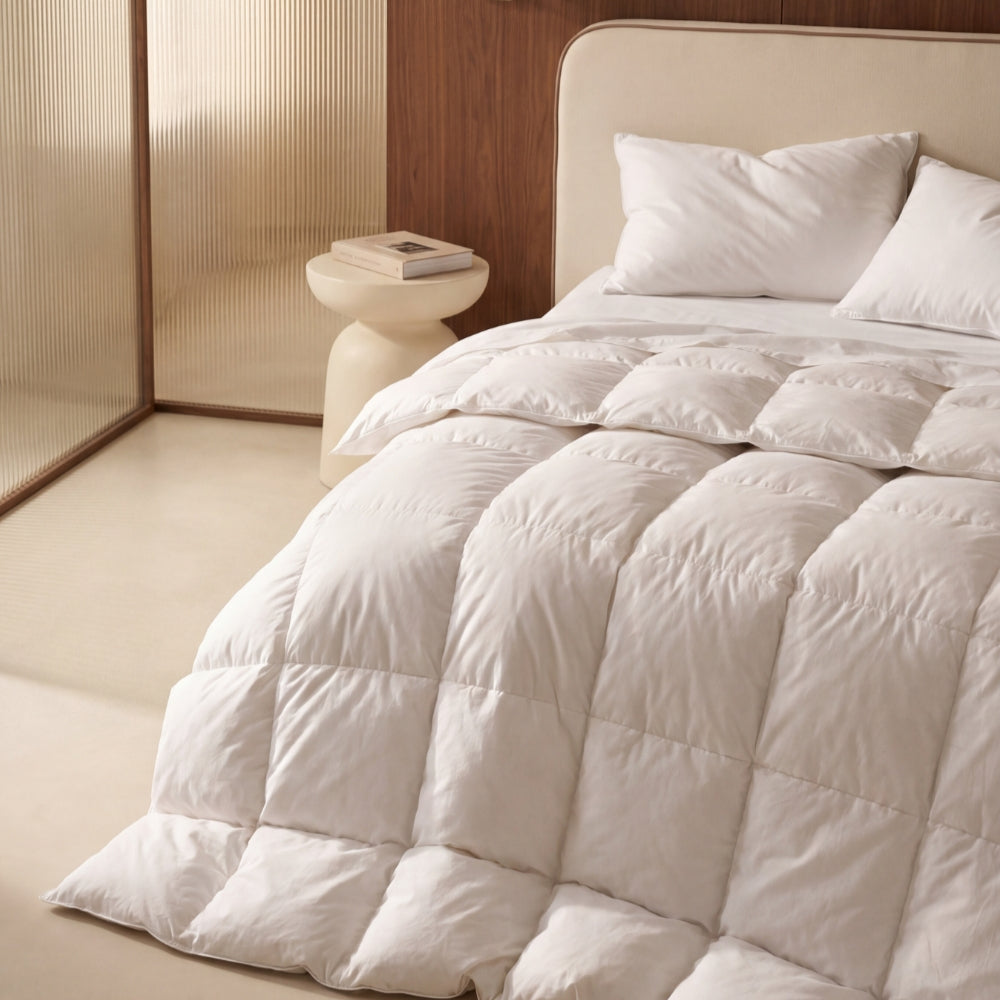
Suzanne states A supportive headboard is Feng Shui 101. It offers protection and reassurance, making you feel safer for sleep that is deep and meaningful. But it’s not just about how your bedroom looks, it’s also about how it feels. And a few things feel better than a freshly made bed. ‘From a spiritual perspective, clean bedding is so helpful, ’ states Inbaal. ‘By allowing ourselves to go to sleep on fresh sheets, we’re showing ourselves that we are secure and cared for. ’. Even more so, switching to 100% cotton sheets can improve sleep quality. More breathable than artificial fabrics, cotton is kind to the skin and more comfortable to sleep in.
A key rule of Zen, for Inbaal and Suzanne, is to keep any techs out of the bed. Inbaal suggests ‘taking your phone into bed, with all the unanswered work emails and messages from friends, can turn the bed into a mental battlefield’. Plus, the use of tech before bed disrupts our natural production of the sleep hormone melatonin, stimulated by low light levels.
Colour Palettes
Choosing the right hue is important in any room of the home. But colour is especially key when looking to create a sanctuary. Inbaal explains, ‘The best colours to encourage sleep are the colour of the higher chakras. These are blues and indigos that are associated with restful sleep, deep communication and spirituality. Encourage those energies by including these colours in your bedroom palette to find yourself in the heartiest of slumbers. By comparison, the lower chakra colours of red, orange and yellow should be avoided. They are linked with passion, art and sports; best kept to creative spaces.
Aroma and Essential Oils
Add an extra element of calm with aroma and essential oils. Inbaal further explains scents such as ‘lavender, chamomile and frankincense traditionally associated with sleep, are also associated with self-love, relaxation and spirituality. Using these smells when we are about to go to bed (especially when we’re struggling to get to and stay asleep) will encourage positive feelings or restful sleep.
Meditation
After creating your zen bedroom, there’s one last step. Meditation. Research shows practising meditation improves sleep and instils a state of zen by releasing stress, calming an overactive mind and uplifting spirits. Julie recommends using a guided meditation around 15 minutes before your regular bedtime. ‘Other than drifting off whilst listening, this ensures you are preparing your mind and body. Once you are ready to sleep, train yourself to know the ‘mediating position’ versus the ‘sleeping position’ by shifting to your side before gently falling into a cloud-like slumber’.
*These tips were based on suggestions by Suzanne Roynon, UK’s leading Interiors Therapist, Inbaal Honigman, Psychic and expert in colour symbolism and Julie Smith, Meditation Expert specialising in burnout and sleep issues.
Read Suzanne's Platinum Award Winning book ‘ Welcome Home: How Stuff Makes or Breaks Your Relationship’ and visit her website www.interiorstherapy.com for further interior tips.
Follow Inbaal on Instagram @inbaalpsychic for psychic and astrology readings on how to declutter your space.
Download Julie’s guided meditation from her website to experience the full benefit: https://julie-smith.net/sleep_landing_guided-meditation/
Zen Bedroom Ideas
These zen bedroom ideas turn the experts' advice into ten things you can do, most of them in an afternoon:
- Clear every surface but one. Keep the bedside table for a lamp, a book and a glass of water.
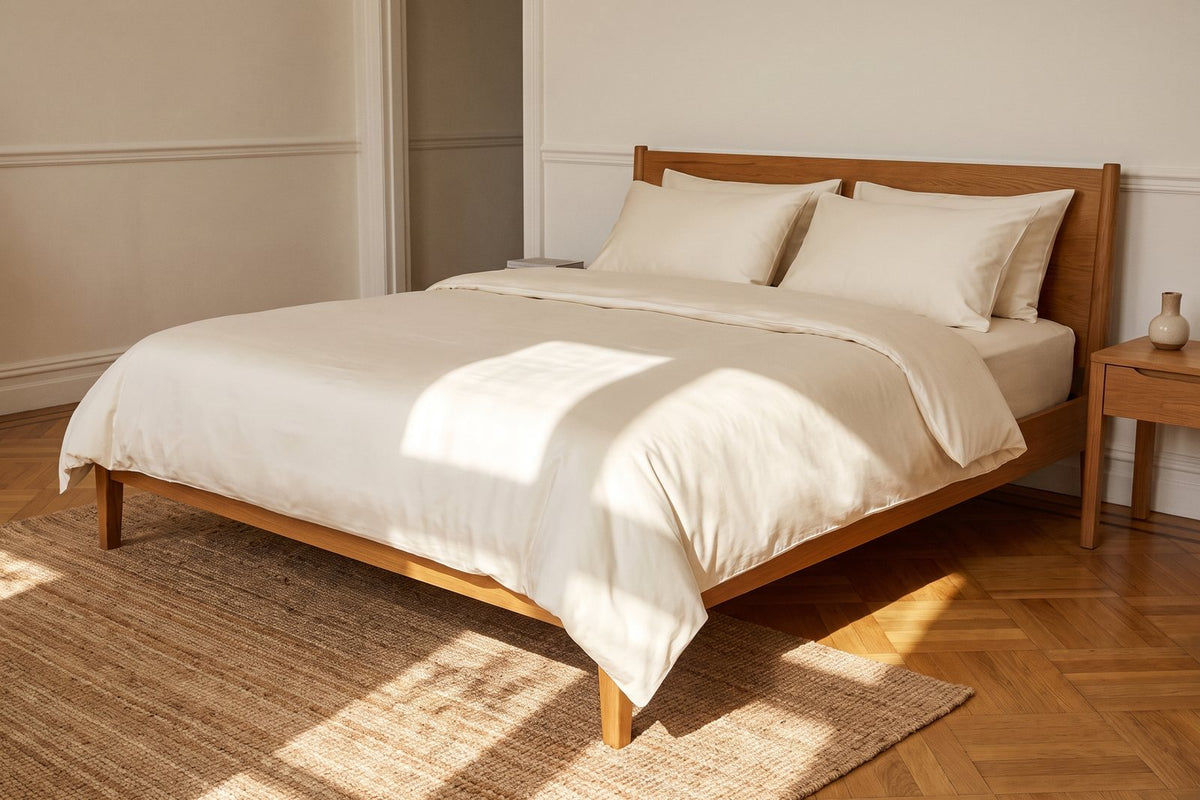
- Choose a low bed. A platform or low divan keeps sightlines open and makes the room feel larger.
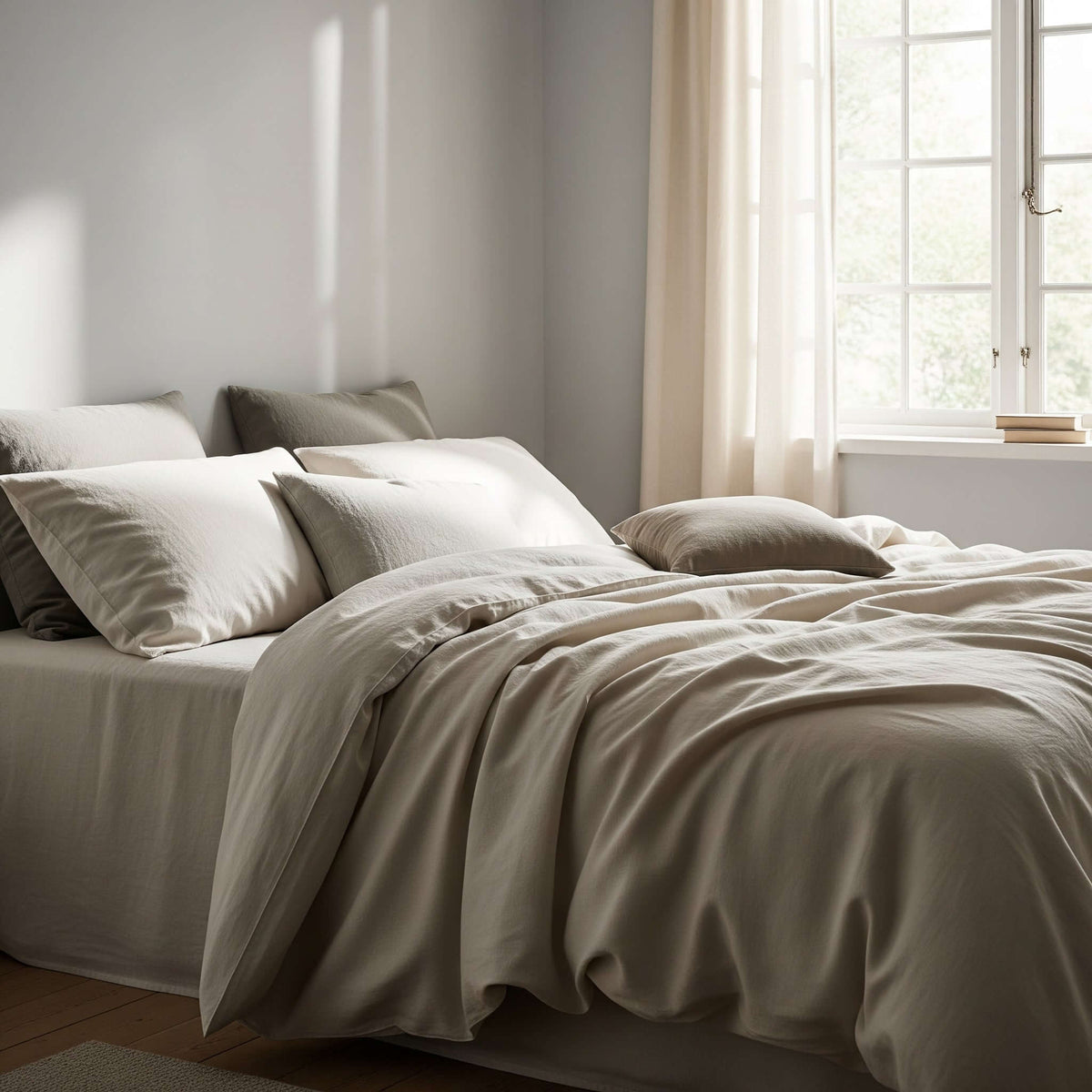
- Dress the bed in plain white, cream or beige. Solid colours read as calmer than patterns; layer two neutrals for depth.
- Use 100% cotton bedding. It breathes, softens with every wash and feels better against the skin than synthetic fabric.
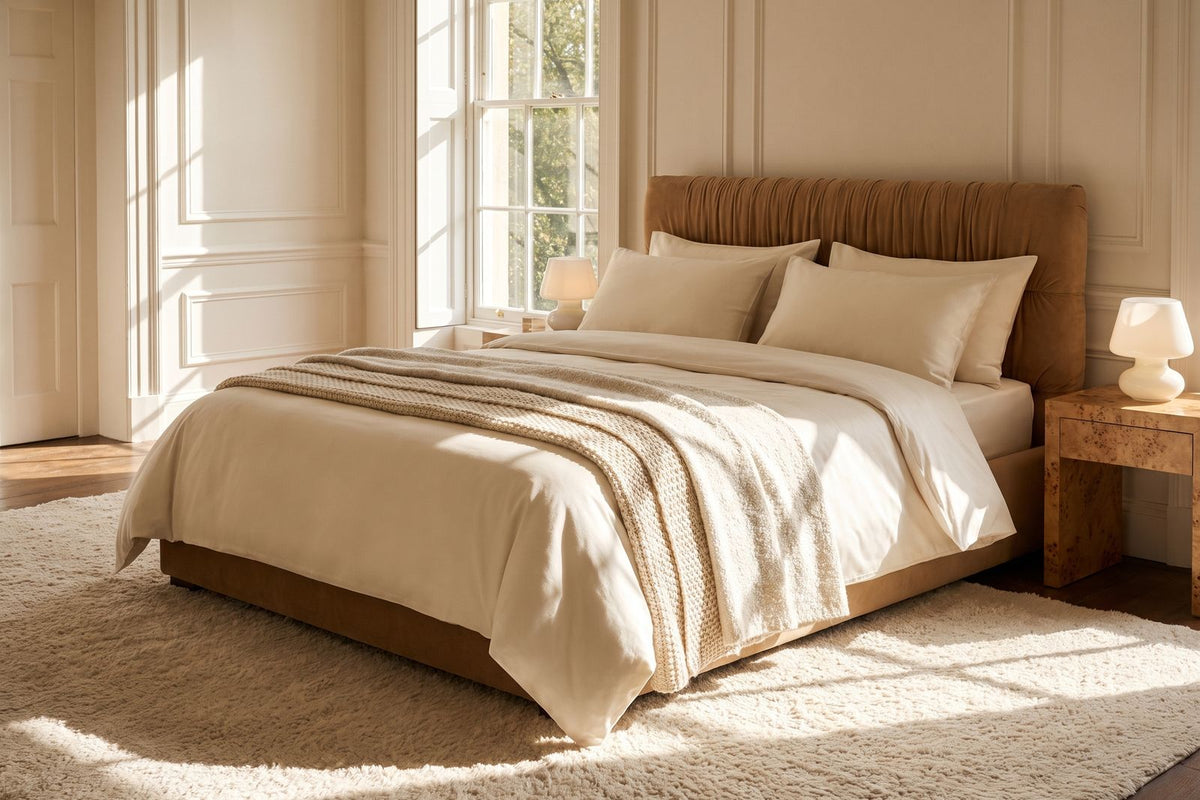
- Make the bed for two, with symmetry. Matching bedside tables, lamps and two pairs of pillows follow Suzanne Roynon's 'pair energy' principle.
- Bring in one living plant. A single large plant is calmer than several small ones.
- Swap overhead light for warm lamps. Dimmable bulbs at bedside height make evenings feel slower.
- Hide the technology. Charge your phone outside the bedroom and keep the TV out altogether.
- Add natural texture underfoot. A wool or jute rug softens hard floors and quietens the room.
- Finish with scent and stillness. Lavender or chamomile, then a 15-minute guided meditation before bed, as Julie Smith suggests.
How to Style a Zen Bed
A zen bed looks simple because every layer has a job. Start with a white or cream fitted sheet and a duvet cover in the same colour, add two pairs of pillows stacked flat rather than propped up, and finish with one folded throw in beige or soft green across the bottom third. Skip decorative cushions altogether, or keep to one. The bed reads as calm from the doorway and takes two minutes to make each morning.
Small Zen Bedroom Ideas
In a small bedroom, zen comes from what you leave out. Use light walls and light bedding to bounce daylight around, choose a bed with drawers underneath so nothing lives on the floor, mount reading lights on the wall to free up the bedside table and keep to one rug and one plant. A mirror opposite the window adds light, although many Feng Shui practitioners suggest keeping it out of view of the bed.
Key Elements of Zen Design
A successful Zen bedroom integrates several core elements that work together to create a cohesive and calming atmosphere. These elements include simplicity, natural materials, and a harmonious layout. By focusing on these key aspects, we can transform any bedroom into a sanctuary of peace and relaxation.
1. Simplicity
Simplicity is at the heart of Zen design. This means avoiding clutter and keeping items to a minimum. Each piece of furniture and decor should have a purpose and contribute to the room's overall tranquillity. This can be achieved by selecting functional items and ensuring that they align with the aesthetic of the space.
2. Natural Materials
Incorporating natural materials such as wood, stone, cotton and wool helps connect the space with nature, a fundamental principle in Zen philosophy. These materials add warmth and texture to the room, making it feel more inviting and serene. Opt for furniture and decor items made from these materials to enhance the room’s natural feel.
3. Harmonious Layout
The layout of a Zen bedroom should promote flow and balance. This can be achieved by arranging furniture in a way that allows for easy movement and creates a sense of openness. Avoid overcrowding the room and ensure that there is ample space for relaxation and meditation.
Zen Bedroom Colours: Creating a Calm Atmosphere
Zen bedroom colours play a pivotal role in setting the tone and mood of the room. A carefully chosen colour palette can significantly influence the room's atmosphere, making it feel either calming or chaotic. In a Zen bedroom, colours should be soothing and harmonious, reflecting the tranquillity we seek to achieve.
Ideal Colours for a Zen Bedroom
-
Neutral Tones: Shades like beige, taupe, and grey are perfect for a Zen bedroom as they provide a neutral backdrop that promotes calmness and relaxation.
-
Earthy Hues: Incorporating earthy tones such as greens, browns, and soft blues can enhance the natural and peaceful feel of the space.
-
Soft Pastels: Light pastels can add a touch of colour without overwhelming the room, allowing for a soft and serene atmosphere.
For bedding, white, cream and beige are the easiest zen bedroom colours to live with, and soft green brings in nature without breaking the calm. All are 100% long-staple cotton, which breathes better than synthetic sheets.
Creating a Balanced Palette
When selecting colours for your Zen bedroom, aim for a balanced palette that incorporates a mix of neutral, earthy, and pastel shades. This combination will create a soothing environment that encourages relaxation and peace. Balance is key, so avoid using too many bold or contrasting colours that could disrupt the room's harmony.
Tips for Incorporating Colour
-
Use paint, textiles, and decor items to introduce colour into your Zen bedroom.
-
Consider painting one wall a soft pastel colour to create a focal point while keeping the other walls neutral.
-
Incorporate colour through accessories such as cushions, throws, and artwork, ensuring they complement the overall palette.
Choosing the Right Furniture for Your Zen Bedroom
Selecting the right furniture is crucial in a Zen bedroom, as it should contribute to the room's overall sense of calm and order. Zen furniture is typically minimalistic, functional, and made from natural materials, aligning with the principles of simplicity and harmony.
Key Furniture Pieces for a Zen Bedroom
-
Platform Bed: A low-profile platform bed is ideal for a Zen bedroom as it creates a sense of openness and simplicity. Choose a bed made from natural wood to enhance the room's natural feel.
-
Minimalist Wardrobe: Opt for a wardrobe with clean lines and a simple design. Ensure it provides ample storage to keep the room clutter-free.
-
Simple Bedside Tables: Choose bedside tables that complement the bed and provide functional storage without being overly ornate or bulky.
Furniture Arrangement Tips
-
Position the bed centrally in the room to create a focal point and promote balance.
-
Ensure there is enough space around the bed for easy movement and a sense of openness.
-
Arrange furniture in a way that encourages relaxation and avoids overcrowding.
Additional Considerations
-
Choose furniture that is both functional and aesthetically pleasing, contributing to the room's overall tranquillity.
-
Incorporate multi-functional furniture pieces, such as a storage bench or ottoman, to maximise space and maintain a clutter-free environment.
Incorporating Natural Elements and Textures
Integrating natural elements and textures into a Zen bedroom is essential for creating an environment that feels connected to nature and promotes relaxation. These elements add warmth and depth to the space, making it feel more inviting and serene.
Natural Elements to Include:
-
Plants: Incorporate indoor plants to bring a touch of nature into the room. Plants not only purify the air but also add a sense of calm and tranquillity.
-
Wood: Use wooden furniture and decor items to add warmth and a natural feel to the space.
-
Stone: Consider incorporating stone elements, such as a stone lamp or decorative pieces, to add texture and interest.
Textures to Enhance a Zen Bedroom:
-
Soft Textiles: Use soft textiles such as cotton and wool for bedding and cushions to create a cosy and inviting atmosphere.
-
Natural Fibres: Incorporate natural fibres like jute or sisal for rugs and baskets to add texture and warmth to the room.
-
Paper and Wood: Use paper lanterns, wooden blinds or rattan decor items to enhance the room's natural feel and add a touch of elegance.
Tips for Incorporating Natural Elements and Textures
-
Balance different textures to create a harmonious and cohesive look.
-
Use natural elements to create focal points and add interest to the room.
-
Ensure that the natural elements and textures complement the overall colour palette and design of the space.
The Role of Lighting in a Zen Bedroom
Lighting is a critical component of creating a Zen bedroom, as it can significantly influence the room's atmosphere and mood. The right lighting can enhance relaxation and create a sense of calm, making it an essential element in a Zen-inspired space.
Types of Lighting to Consider:
-
Natural Light: Maximise natural light by keeping window treatments minimal and allowing sunlight to flood the room. Natural light is essential for creating a bright and airy atmosphere.
-
Ambient Lighting: Use ambient lighting, such as ceiling lights or wall sconces, to provide overall illumination and create a warm and inviting atmosphere.
-
Task Lighting: Incorporate task lighting, such as bedside lamps or reading lights, to provide focused illumination for specific activities.
Tips for Choosing and Arranging Lighting
-
Use dimmable lights to adjust the brightness according to your needs and create a soothing ambience.
-
Consider using candles or lanterns for soft, flickering light that adds a touch of tranquillity to the room.
-
Position lights strategically to highlight key features and create a balanced and harmonious atmosphere.
Creating a Layered Lighting Scheme
A layered lighting scheme combines various types of lighting to create a versatile and adaptable environment. By incorporating ambient, task, and accent lighting, you can create a Zen bedroom that is both functional and serene. Ensure that the lighting complements the room's overall design and enhances its tranquillity.
Creating a Clutter-Free Space for Ultimate Relaxation
A clutter-free environment is essential in a Zen bedroom, as it promotes a sense of calm and order. Clutter can create visual noise and disrupt the room's tranquillity, making it difficult to relax and unwind.
Strategies for Maintaining a Clutter-Free Space:
-
Regular Decluttering: Make it a habit to regularly declutter your bedroom, removing any items that are no longer needed or do not contribute to the room's overall tranquillity.
-
Effective Storage Solutions: Incorporate storage solutions that help keep items organised and out of sight. Consider using under-bed storage, built-in wardrobes, or storage benches to maximise space.
-
Minimalist Decor: Keep decor to a minimum, ensuring each piece serves a purpose and contributes to the room's serenity.
Tips for Managing Clutter
-
Create designated spaces for different items, such as a jewellery tray or a catch-all bowl for keys and small items.
-
Use baskets or boxes to organise items and keep surfaces clear.
-
Implement a one-in, one-out rule to prevent the accumulation of unnecessary items.
The Benefits of a Clutter-Free Space
A clutter-free Zen bedroom not only enhances relaxation but also contributes to a clearer mind and improved focus. By maintaining an organised and tidy environment, we can create a space that promotes peace and tranquillity, allowing for a restful and rejuvenating experience.
Adding Personal Touches: Art and Decor in Zen Style
While a Zen bedroom is characterised by simplicity and minimalism, adding personal touches through art and decor can enhance the room's tranquillity and make it feel more inviting. The key is to choose pieces that align with the Zen philosophy and contribute to the room's overall harmony.
Choosing Zen-Inspired Art and Decor
-
Nature-Inspired Art: Select artwork that reflects the beauty of nature, such as landscapes or botanical prints, to enhance the room's connection with the natural world.
-
Sculptures and Figurines: Incorporate sculptures or figurines made from natural materials like wood or stone to add a touch of elegance and interest.
-
Textiles and Wall Hangings: Use textiles or wall hangings with simple, understated designs to add texture and warmth to the room.
Tips for Incorporating Personal Touches
-
Choose decor items that hold personal significance or evoke positive emotions, contributing to the room's overall tranquillity.
-
Ensure that the art and decor pieces are cohesive and complement the room's colour palette and design.
-
Avoid overcrowding the space with too many pieces, maintaining a sense of balance and harmony.
Balancing Simplicity and Personalisation
While it's important to keep the room's design simple and uncluttered, adding personal touches can make the space feel more welcoming and reflective of our individuality. By carefully selecting art and decor items that align with the Zen philosophy, we can create a bedroom that is both tranquil and uniquely ours.
Tips for Maintaining a Zen Bedroom Environment
Maintaining a Zen bedroom requires ongoing effort and mindfulness, but the rewards are well worth it. By regularly assessing and adjusting the room's environment, we can ensure that it remains a sanctuary of peace and relaxation.
Strategies for Maintaining a Zen Bedroom:
-
Regular Cleaning and Tidying: Keep the room clean and tidy by regularly dusting, vacuuming, and organising. A clean environment is essential for maintaining tranquillity.
-
Mindful Decor Updates: Periodically reassess the room's decor and make adjustments as needed to ensure it remains cohesive and aligned with the Zen philosophy.
-
Embrace Seasonal Changes: Reflect the changing seasons by updating textiles, such as bedding and curtains, to maintain a fresh and inviting atmosphere.
Tips for Sustaining Tranquillity
-
Practise mindfulness and meditation in the space to reinforce its purpose as a sanctuary of peace.
-
Encourage natural light and ventilation to keep the room feeling fresh and airy.
-
Avoid introducing new items that do not align with the room's overall design and purpose.
The Benefits of Ongoing Maintenance
By regularly maintaining a Zen bedroom, we can ensure that it continues to serve as a refuge from the stresses of daily life. A well-maintained space promotes relaxation, mental clarity, and emotional well-being, allowing us to fully embrace the tranquillity and peace that a Zen bedroom offers.
Conclusion: Embracing Tranquillity in Your Space
Creating a Zen bedroom is a transformative process that involves more than just design; it's about cultivating a lifestyle that prioritises peace, balance, and mindfulness. By understanding the principles of Zen design and incorporating key elements such as simplicity, natural materials, and harmonious layouts, we can create a space that fosters relaxation and rejuvenation.
As we embrace the tranquillity of a Zen bedroom, we create an environment that supports our well-being and enhances our quality of life. The journey towards a Zen-inspired space is personal and unique, allowing us to adapt the principles to suit our individual needs and preferences.
If you start with one thing, make it the bed: plain white or cream cotton bedding, made up for two, sets the tone for the whole room.
People Also Asked
How to create a Zen-like bedroom?
Create a Zen-like bedroom by embracing minimalism and natural elements. Use a neutral colour palette with soft, muted tones. Incorporate natural materials like wood and stone, and add plants for a touch of nature. Keep the space clutter-free and focus on simple, functional furniture. Soft, diffused lighting and comfortable bedding complete the serene atmosphere.
What are the colours for a Zen bedroom?
Zen bedrooms typically feature a calming, neutral colour scheme. Opt for soft whites, beiges, and light greys as base colours. Incorporate earthy tones like muted greens, soft blues, and warm browns to create a connection with nature. Avoid bright or bold colours that may disrupt the peaceful ambience.
What is a Zen-style room?
A Zen-style room embodies simplicity, tranquillity, and harmony with nature. It features clean lines, uncluttered spaces, and a minimalist approach to décor. Natural materials, soft lighting, and a neutral colour palette are key elements. The room should promote relaxation and mindfulness, often incorporating elements like low furniture, natural textiles, and subtle nature-inspired accents.
How to create a spiritual bedroom?
To create a spiritual bedroom, focus on personal meaning and calming energy. Incorporate elements that resonate with your spiritual beliefs, such as meaningful symbols or artwork. Use soothing colours and soft textures. Create a dedicated space for meditation or reflection. Add natural elements like crystals or plants, and ensure the room is clutter-free to promote a sense of peace and clarity.
What creates a Zen space?
A Zen space is created through simplicity, natural elements, and mindful design. Key components include a clutter-free environment, natural materials like wood and stone, and a neutral colour palette. Incorporate elements that engage the senses gently, such as soft lighting, natural scents, and subtle textures. Minimalist furniture and décor, along with plenty of open space, contribute to the calm atmosphere.
How to turn your room into a Japanese style?
Transform your room into a Japanese style by embracing minimalism and natural aesthetics. Use low-profile furniture, including a futon or low bed. Incorporate shoji screens for room division or as window coverings. Choose a neutral colour palette with natural wood accents. Add tatami mats, a low table, and consider a tokonoma (alcove) for displaying art or ikebana. Keep décor minimal and meaningful.
What is the luckiest bedroom colour?
In feng shui, the luckiest bedroom colour is often considered to be skin tones or earth tones. Soft peach, light tan, or pale yellow are believed to promote restful sleep and positive energy. These colours are associated with stability, nourishment, and good health. However, the concept of "lucky" colours can vary across cultures and personal beliefs.
What is a good Zen colour?
A good Zen colour is typically soft and natural. Light greys, muted greens, and soft blues are excellent choices as they evoke calmness and connection with nature. Warm, neutral tones like beige or soft white can also create a serene atmosphere. The key is to choose colours that are subtle and not overstimulating, promoting relaxation and mindfulness.
How to decorate a Zen home?
Decorate a Zen home by focusing on simplicity and natural elements. Use a neutral colour palette with occasional nature-inspired accents. Choose furniture with clean lines and natural materials. Incorporate plants, water features, and natural light. Keep spaces clutter-free and opt for minimal, meaningful décor. Use soft, ambient lighting and natural textiles to create a calm, harmonious environment throughout the home.
What is the Zen technique?
The Zen technique in interior design focuses on creating spaces that promote mindfulness and inner peace. It involves simplifying spaces, using natural materials and colours, and eliminating clutter. The technique emphasises the importance of negative space, balance, and harmony. It often incorporates elements of nature and aims to create an environment that supports meditation and relaxation.
What is Zen in every room?
"Zen every room" is an approach to interior design that applies Zen principles throughout the entire home. It involves creating a cohesive, calming atmosphere in each space by using natural materials, neutral colours, and minimalist décor. The goal is to promote a sense of tranquillity and mindfulness in every area of the home, from the bedroom to the living room and even the kitchen.
What is another name for a Zen room?
Another name for a Zen room is a meditation room or mindfulness space. It can also be referred to as a tranquillity room or relaxation space. These terms all capture the essence of a Zen room: a dedicated area designed to promote calmness, reflection, and inner peace through minimalist design and natural elements.
How to create a healing bedroom?
Create a healing bedroom by focusing on comfort, cleanliness, and positive energy. Use soothing colours like soft blues or greens. Ensure good air quality with plants or an air purifier. Choose natural, non-toxic materials for bedding and furniture. Incorporate elements that promote relaxation, such as aromatherapy diffusers or salt lamps. Keep the space clutter-free and filled with items that have personal, positive associations.
How to start your Zen?
Start your Zen journey by decluttering your living space and embracing minimalism. Begin with one room, typically the bedroom, and gradually extend to other areas. Choose a neutral colour palette and incorporate natural elements. Practise mindfulness in your daily activities and create a dedicated space for meditation or relaxation. Focus on simplifying your surroundings and cultivating a sense of peace and presence in your everyday life.
What are some ideas for a small zen room?
For a small zen room, keep furniture low or wall-mounted so more floor shows: a platform bed, floating bedside shelves and plug-in wall lights. Use one soft tone across walls and bedding to blur the edges, and hang a mirror opposite the window. A floor cushion, a small rug and one plant make a calm zen area, while warm 2700K bulbs and layered cotton keep it cosy and stylish.
What are some good things to put in a zen room?
Good things to put in a zen room are a few natural, tactile pieces: a low wooden bench or tray, a jute rug, one or two easy plants such as a snake plant, and plain cotton bedding in white, cream or beige. Add a dimmable lamp, a meditation cushion and a single piece of art you love. Bedable's sheets and duvet covers are 100% natural cotton and OEKO-TEX certified, so they're tested for harmful substances.
What are some budget-friendly ideas for creating a zen room?
The best budget-friendly zen idea costs nothing: spend 30 minutes clearing the floor and every surface, then sell or donate what you don't use. Next, repaint one wall in a soft neutral, swap cool bulbs for warm white ones and grow plants from cuttings. Second-hand wooden furniture and one plain cotton duvet cover in a calm colour give a minimalist bedroom on a budget real impact.
How can I make my bedroom a relaxing sanctuary?
Make your bedroom a relaxing sanctuary by treating it as a room for rest only, then calming each sense. Switch from the ceiling light to a low lamp after about 8pm, open a window for 10 minutes each morning and choose smooth, breathable cotton bedding. Add one gentle scent such as lavender, keep phones charging outside the room and make the bed as soon as you get up.
How to make a minimalist bedroom?
Make a minimalist bedroom by keeping only what you use every week: a bed, closed storage, one bedside table and one good lamp. Hide everyday items behind wardrobe doors or in lidded boxes under the bed. Stick to two or three colours and add interest through texture instead; Bedable's pre-washed percale, for example, has a crisp matte finish that suits a calm, simple room. Two bedding sets per bed is plenty.
What is minimalist interior style?
Minimalist interior style is a pared-back way of decorating built on simple shapes, a restrained palette, a few well-made pieces and plenty of empty space. It grew out of modernism and 1960s minimal art, with strong Japanese influence. Zen design shares the calm but feels softer and more natural, favouring wood, stone, plants and handmade texture, while minimalism can be cooler, with glass, metal and crisp white walls.


Share:
The Dog House: 5 Pet Friendly Interior Tips
5 Expert Tips on Spring Cleaning your bedroom