

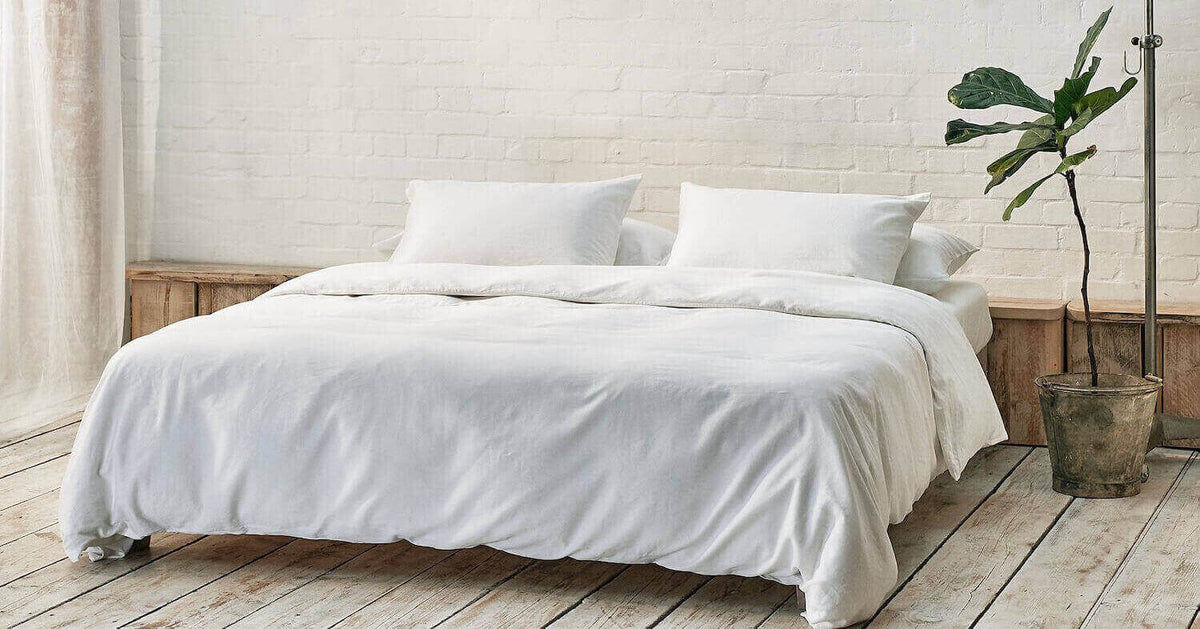
Full of bright days and relaxed evenings, summer heatwaves in the UK are always enjoyed. Yet, our homes are not so receptive to the heat. Rising temperatures and glaring sun may be welcomed in the day, but by night, overheating bedrooms and night-time sweats are not appreciated. In fact, only 4.3% of homes in England use air conditioning, according to English Housing Survey data analysed by the University of Reading in 2026, so the UK is somewhat ill-prepared for approaching heatwaves.
To minimise the effects of the heatwave on your sleep, we suggest implementing a summer bedding swap into your annual routine.
Just like you may do a ‘spring clean’ at the beginning of the season, declutter in time for back-to-city September routines, or scatter your home with soft, cosy furnishings in the winter, changing with the seasons is nothing new. So why not change your bedding too?
In fact, switch to summer sheets with Bedable. As advocates for a seasonal bedding change-up, we’re prepared for all your summertime needs. Follow these tips and you’re guaranteed a sweat-free, satisfactory night's sleep during this month’s heatwave:
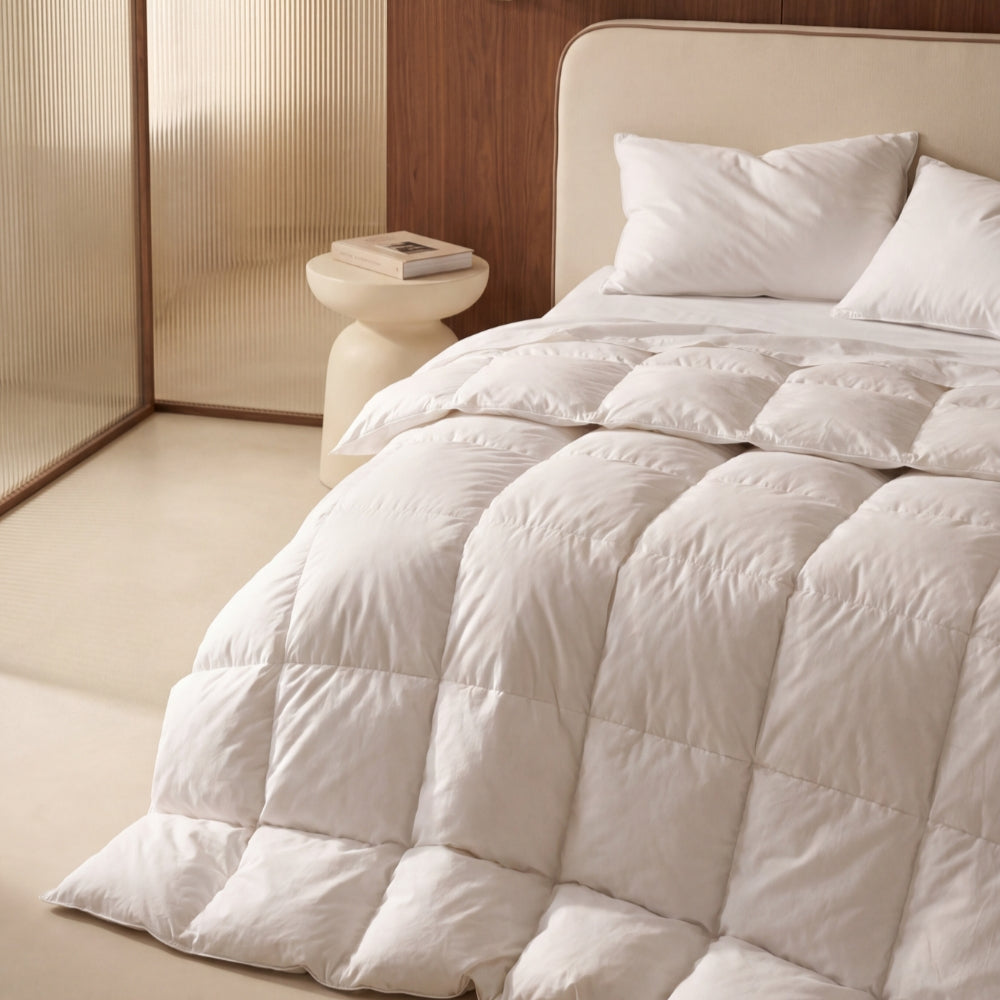
- In the hottest period of the year, opt for our summer duvet at 4.5 TOG. Referring to the degree to which the duvet retains heat, a low 4.5 TOG rating means our duvets have a thin, lightweight feel.
- Still, if sleeping underneath your duvet seems like a heat-trap, then discard your quilt altogether. Sleep solely under your flat sheet. Just like sleeping with a flat sheet is a long-standing norm for those living in hot climates, a 100% cotton flat sheet is an ideal lightweight layer. For the base of your bed, shop our 100% cotton fitted sheets. Our sateen sheets are 460 thread count.
- Dress your bed in our cotton percale bedding. Crisp, cool and breathable percale fabrics are a breezy choice for hot sleepers on warm summer nights. Offering great air circulation and natural cooling properties, you’re sure not to overheat.
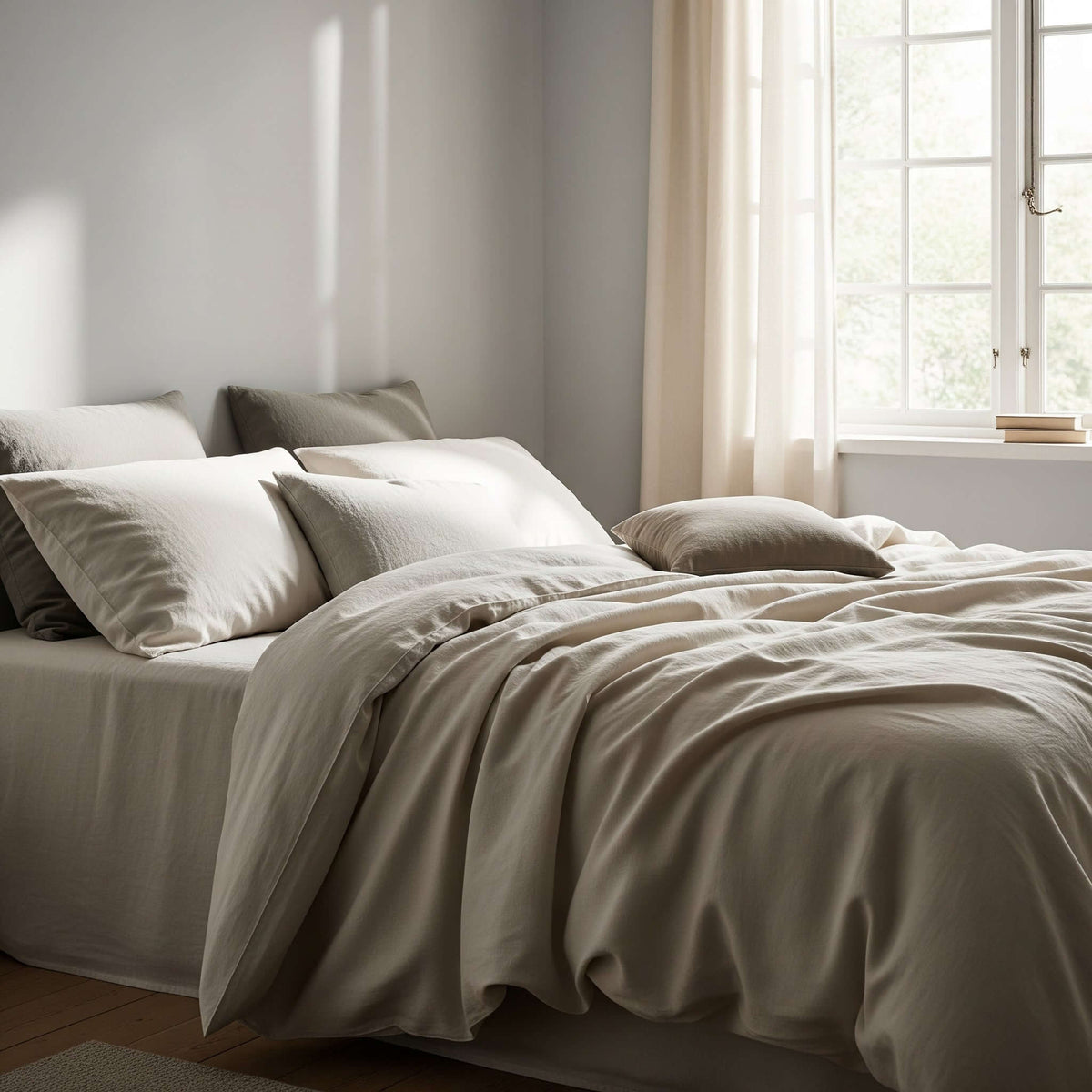
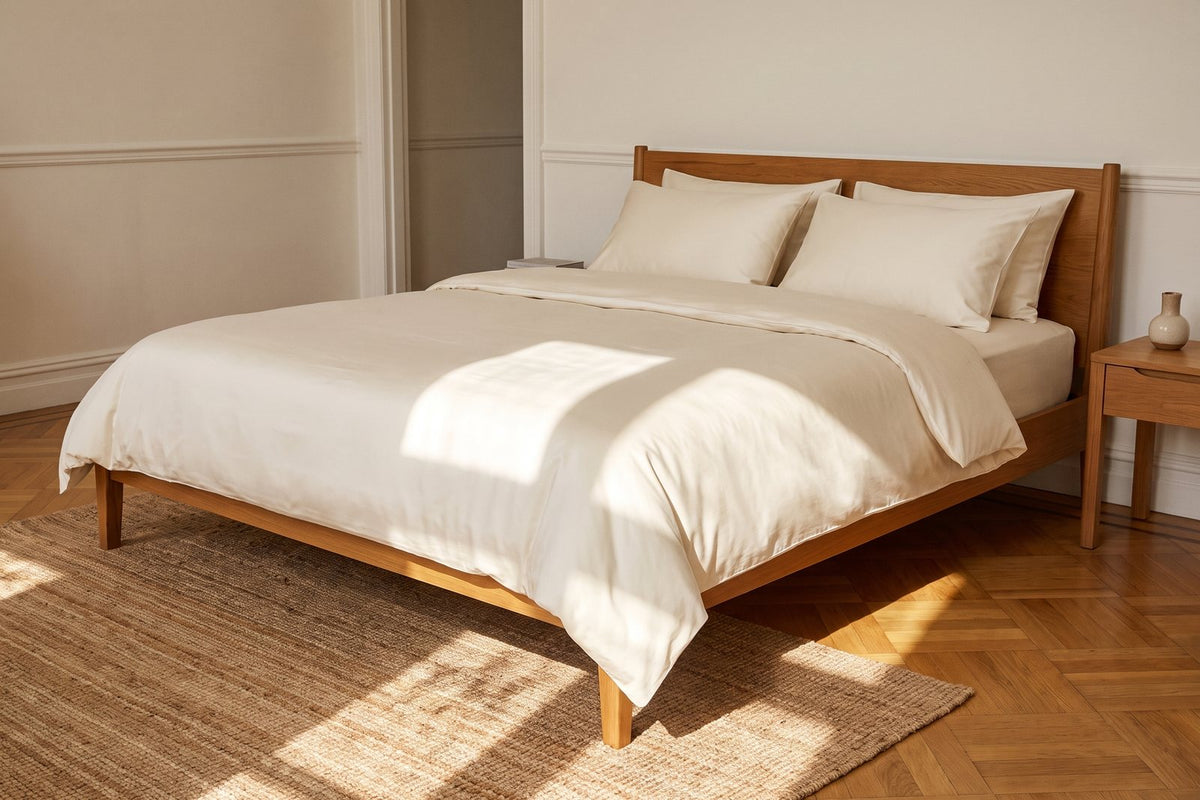
- Since dark tones absorb light and conduct heat, lighter coloured bedding can help create a bright, airy feel to your bedroom. Clean colours in a neutral palette, such as white, sage green or cloud grey, will reflect sunlight, providing a great summertime bedding alternative.
Five Tips to Beat the Heat in Bed
It’s often difficult to get a comfortable sleep in summer.We put together top tips to keep you cool. Read here
Key Materials for Summer Bed Sheets
Choosing the right material is paramount when selecting summer bed sheets. A variety of fabrics are available, each with unique properties that can affect how we sleep. The natural fibre that works best in summer is 100% cotton, and the weave matters as much as the fibre. Each of these offers distinct advantages that cater to different preferences and requirements.
-
Cotton: Renowned for its breathability and softness, cotton is a classic choice. Long-staple cotton, in particular, is prized for its strong, smooth fibres. These types of cotton are not only durable but also highly absorbent, making them ideal for hot weather.
-
Pre-washed cotton: Cotton that has been washed before it reaches you feels soft from the first night, without the stiff, new feel some crisp sheets have. Our percale bedding is pre-washed and resists pilling.
-
Cotton percale: The coolest cotton weave. Its one-over, one-under structure leaves room for air to move, and the matte surface feels cool when you get into bed, which is why percale is the first choice for hot sleepers.
-
Cotton sateen: Smoother and slightly warmer than percale, with a soft sheen. It suits people who feel the cold even in summer or who sleep in an air-conditioned room.
Each of these materials offers distinct benefits, and the choice depends on personal preferences and specific needs. By understanding the properties of each fabric, we can select the best material for our summer bed sheets, ensuring both comfort and quality.
Benefits of Breathable Fabrics for Hot Weather
Breathable fabrics play a crucial role in maintaining a comfortable sleeping environment during hot weather. These materials allow air to circulate freely, preventing heat from being trapped beneath the covers. This airflow is essential for regulating body temperature and ensuring a restful night's sleep.
One of the primary advantages of breathable fabrics is their ability to wick moisture away from the body. During the summer, perspiration is inevitable, but breathable materials help to keep the skin dry by absorbing sweat and allowing it to evaporate quickly. This not only aids in cooling but also prevents the sticky feeling often associated with hot, humid nights.
Moreover, breathable fabrics tend to be lightweight, adding to the comfort factor. They drape gently over the body without feeling heavy or restrictive. This is particularly beneficial for those who tend to feel claustrophobic or overheated under heavier materials. By choosing breathable fabrics for our summer bed sheets, we can enhance our sleep quality and wake up feeling refreshed and rejuvenated.
Thread Count: What You Need to Know for Summer Comfort
Thread count often comes into play when selecting bed sheets, but it's essential to understand what it means and how it affects summer comfort. Thread count refers to the number of threads woven into a square inch of fabric. While higher thread counts are often associated with luxury and softness, they are not always the best choice for summer.
For hot weather, a moderate thread count, typically between 200 and 400, is recommended. Sheets within this range offer a good balance of softness and breathability. Higher thread counts can result in denser fabrics that trap heat, which is not ideal when the temperature rises.
It's also important to consider the type of fabric when assessing thread count. For example, a 300-thread count cotton sheet can feel different from a 300-thread count linen sheet due to the inherent properties of the materials. Understanding the relationship between thread count and fabric type can help us choose the most comfortable and breathable sheets for summer.
Ultimately, the goal is to find sheets that offer a combination of softness, breathability, and durability. By focusing on these aspects rather than solely on thread count, we can ensure that our summer bed sheets provide the comfort we need for a good night's sleep.
Choosing the Right Colour and Pattern for Summer Bed Sheets
Colour and pattern are often seen as aesthetic choices, but they also play a role in enhancing our sleep environment. Lighter colours, such as whites, pastels, and light blues, are ideal for summer as they reflect heat, keeping the bed cooler. These shades also evoke a sense of calm and tranquillity, which can contribute to a better sleep experience.
Patterns can add a touch of personality and style to the bedroom. For summer, opting for subtle patterns or minimalistic designs can keep the space feeling fresh and airy. Floral prints, stripes, or simple geometric patterns can add visual interest without overwhelming the space.
In addition to aesthetics, it's important to consider how colours and patterns can affect mood. Bright, vibrant colours can be energising, which might not be suitable for a sleep environment. On the other hand, soft, muted hues can promote relaxation and restfulness. By carefully selecting the colours and patterns of our summer bed sheets, we can create a soothing atmosphere that enhances our sleep quality.
How to Care for Your Summer Bed Sheets
Proper care is essential for maintaining the quality and longevity of our summer bed sheets. Regular washing is crucial, especially in the summer months when sweat and oils can accumulate more quickly. It's recommended to wash sheets every week to keep them fresh and hygienic.
When washing, it's best to use a gentle detergent and avoid harsh chemicals that can damage the fibres. Washing in cool or warm water, rather than hot, can also help preserve the integrity of the sheets. For 100% cotton bedding, always follow the care label to prevent shrinkage or damage.
Drying sheets properly is equally important. While air drying is ideal for preserving fabric quality, using a tumble dryer on a low heat setting is also acceptable. Removing sheets promptly from the tumble dryer can minimise wrinkles and maintain their crisp appearance. By following these care tips, we can ensure that our summer bed sheets remain comfortable and in top condition season after season.
Our Recommendations for Summer Bed Sheets
When it comes to selecting summer bed sheets, a few features matter more than any label. Here is what we recommend:
-
Choose percale: Crisp, matte cotton percale is the most breathable choice for hot nights. Our percale bedding is 100% long-staple cotton, pre-washed and resistant to pilling.
-
Stick to 100% cotton: Synthetic blends trap heat and moisture. A single fibre, long-staple cotton, breathes and absorbs sweat, then dries quickly.
-
Go lighter on top: On the hottest nights, swap the duvet for a flat sheet, or fold the duvet back to the foot of the bed so you can pull it up in the early hours.
-
Keep pillows breathable: Our goose feather and down pillow has a 233 thread count cotton percale casing, which lets air circulate around your head and neck.
Together, these choices keep you cooler than any single product. For more ideas, read our tricks to beat the heat in bed.
The Impact of Summer Bed Sheets on Your Sleep Quality
The impact of summer bed sheets on sleep quality cannot be understated. The right sheets can make a significant difference in how well we sleep, particularly during the warmer months. By providing a cool and comfortable environment, they help us fall asleep faster and stay asleep longer.
High-quality sheets with breathable materials and appropriate thread counts prevent overheating and minimise night sweats. This is crucial for maintaining uninterrupted sleep, allowing us to wake up feeling refreshed and energised. The psychological benefits are also considerable; knowing that our bed is a haven of comfort can reduce pre-sleep anxiety and promote relaxation.
Moreover, investing in good summer bed sheets is an investment in our overall well-being. Quality sleep is linked to numerous health benefits, including improved mood, cognitive function, and immune system support. By choosing the right sheets, we can enhance our sleep quality and enjoy the myriad benefits that come with restful slumber.
Seasonal Considerations: When to Change Your Bedding
As the seasons change, so should our bedding. Transitioning to summer bed sheets is essential as temperatures rise, but knowing when to make the switch can optimise comfort. A good rule of thumb is to change to summer bedding when nighttime temperatures consistently remain above 15°C (59°F).
It's also important to consider personal comfort preferences. Some people may prefer to switch earlier in the season, while others might wait until the heat is more pronounced. Monitoring weather forecasts and paying attention to how our bodies respond to temperature changes can guide us in making the right decision.
In addition to switching to summer bed sheets, it's also beneficial to adjust other bedding elements, such as duvet covers and pillowcases. Opting for lighter, breathable materials can complement the sheets and contribute to an overall comfortable sleeping environment. By being mindful of seasonal changes, we can ensure that our bedding is always aligned with our comfort needs.
Conclusion: Elevate Your Sleep Experience this Summer
As we wrap up this comprehensive guide, it's clear that the right summer bed sheets are more than just a seasonal luxury; they are an essential component of a restful sleep environment. By choosing materials that promote breathability, selecting the right thread count, and curating colours and patterns that soothe the senses, we can transform our sleep experience during the warmer months.
Investing in quality summer bed sheets not only enhances comfort but also contributes to our overall well-being. The benefits of a good night's sleep are far-reaching, impacting everything from our mood to our physical health. By making informed choices and caring for our sheets diligently, we can enjoy the restful, rejuvenating sleep we deserve.
As you embark on your journey to find the perfect summer bed sheets, consider the insights shared in this guide. Elevate your sleep experience and embrace the comfort and tranquillity that come with the right bedding. And remember, a good night's sleep is the foundation of a healthy, fulfilling life.
People Also Asked
What type of bed sheets are best for summer?
Lightweight, breathable fabrics like 100% cotton percale are ideal for summer bed sheets. Percale's crisp, one-over, one-under weave promotes air circulation and lets moisture escape, keeping you cool throughout the night. Shop Bedable percale bedding.
What bed sheets keep you cool in summer?
Sheets made from natural fibres such as 100% cotton excel at keeping you cool in summer, especially in a percale weave. Their breathable nature allows air to flow freely, preventing heat build-up and promoting a comfortable sleep environment.
Are 100% cotton sheets good for summer?
Yes, 100% cotton sheets are excellent for summer. Cotton's natural breathability and moisture-wicking properties help regulate body temperature, keeping you cool and dry during warm nights.
What material is good for sleeping in summer?
Lightweight, natural materials like 100% cotton are superb for summer sleeping, and with cotton the weave matters too: percale is the coolest. Cotton lets air circulate, absorbs moisture and feels cool against the skin, promoting a comfortable night's rest. Bedable percale bedding is 100% long-staple cotton with a crisp, matte finish that suits hot sleepers.
What type of sheet is cooling?
Percale cotton sheets are known for their cooling properties. The crisp, lightweight weave allows for excellent airflow, creating a cool and comfortable sleeping surface ideal for hot summer nights.
What sheets don't get hot?
Sheets made from natural, breathable fibres are less likely to get hot, and 100% cotton percale is one of the coolest choices. Its one-over, one-under weave lets air move through the fabric and carries heat and moisture away, keeping your bed cool through the night. Try Bedable percale bedding, pre-washed for a soft feel from the first night.
Which bedding for summer?
For summer, opt for lightweight, breathable bedding. Choose a low tog duvet, or fold your duvet back on the hottest nights, and pair it with 100% cotton percale sheets for comfort and temperature regulation.
How to stay cool in bed?
To stay cool in bed, use breathable bedding, keep your room well-ventilated, and consider using a fan. Opt for lightweight pyjamas or sleep naked, and try using a cooling pillow or mattress topper for added comfort.
What to sleep with in the summer?
In summer, sleep with lightweight, breathable pyjamas or in the nude. Use thin, natural fibre sheets and a low tog duvet or just a light blanket. Keep a glass of water nearby and consider using a fan for air circulation.
What are the best sheets for summer time?
The best sheets for summertime are made from breathable, natural fibres, and 100% cotton percale is the classic choice. It promotes air circulation, absorbs moisture and feels cool against the skin, ensuring a comfortable night's sleep.
Can I wear 100% cotton in summer?
Absolutely! 100% cotton is an excellent choice for summer wear. Its natural breathability, moisture-wicking properties, and softness make it ideal for keeping cool and comfortable in warm weather.
Is microfibre better than cotton?
While microfibre has its advantages, cotton is generally better for summer bedding. Cotton's natural breathability and moisture-wicking properties make it more suitable for temperature regulation, whereas microfibre can trap heat and feel less comfortable in warm weather.
Which type of bedsheet is best for summer?
Cotton percale bedsheets are often considered the best for summer. Their crisp, lightweight weave allows for excellent airflow, creating a cool and comfortable sleeping surface ideal for hot summer nights.
What to wear in bed when hot?
When it's hot, wear loose-fitting, breathable sleepwear made from natural fibres like 100% cotton. Alternatively, sleeping in the nude can help keep you cool. Choose lightweight, moisture-wicking fabrics to ensure comfort throughout the night.
Which material stays cool in summer?
100% cotton percale is one of the best materials for staying cool in summer. Its crisp, one-over, one-under weave allows excellent air circulation and lets moisture escape, helping to regulate body temperature and keep a cool, comfortable feel against the skin.
What are the best bed sheets?
The best bed sheets depend on personal preference, but high-quality 100% long-staple cotton sheets are often the top choice: percale for a crisp, cool feel, sateen for a smooth, slightly warmer one. Look for a sensible thread count, roughly 200 to 500, rather than chasing four-figure numbers. Bedable 100% cotton bedding comes in both weaves.
What is the warmest type of sheet?
Flannel sheets are typically the warmest type. Made from brushed cotton, they trap air between the fibres, creating excellent insulation. However, they're more suitable for colder months rather than summer use.
Are microfibre sheets hot?
Microfibre sheets can feel hot, especially in summer. Their synthetic fibres don't breathe as well as natural materials, potentially trapping heat and moisture. For cooler sleep, opt for natural fibres like 100% cotton percale instead.
What is the best bedding for summer?
The best summer bedding includes lightweight, breathable sheets made from 100% cotton, ideally percale, paired with a low tog duvet or light blanket. Choose moisture-wicking materials to ensure a cool, comfortable sleep environment.
What kind of sheet is cooling?
Cotton percale sheets are exceptionally cooling. Their simple one-over, one-under weave allows excellent air circulation and lets moisture escape, helping to regulate body temperature and keep a cool, comfortable feel throughout the night.
Which sheet is heat-resistant?
While no sheet is truly heat-resistant, 100% cotton percale sheets are one of the best choices for hot sleepers. Cotton is naturally breathable and absorbs moisture, and percale's crisp, matte surface feels cool when you get into bed. Bedable percale bedding is 100% long-staple cotton and pre-washed for softness.
What bedsheets for summer?
For summer, choose lightweight, breathable bedsheets made from natural fibres like 100% cotton percale. These materials promote air circulation, wick away moisture, and feel cool against the skin, ensuring a comfortable night's sleep.
Which bed is good for summer?
A hybrid mattress with innerspring coils and a breathable top layer is excellent for summer. The coils promote airflow, while materials like latex or gel-infused memory foam in the top layer can help dissipate heat for a cooler sleep surface.
Which blanket for summer?
For summer, opt for a lightweight, breathable blanket made from natural fibres like 100% cotton. A thin cotton waffle weave or a light, open-weave cotton blanket provides just enough warmth without causing overheating.
Do cooling bed sheets actually work?
Cooling bed sheets can help, but the cold feel of many fades within minutes. They often rely on synthetic yarns or special finishes that feel chilly when you get in, then warm to skin temperature once you settle. What keeps you comfortable all night is breathability and how well a fabric handles sweat. Natural 100% cotton does both without any coating, so it keeps working long after a cool-touch finish fades.
What to use instead of a duvet in summer?
Use a cotton flat sheet or an empty duvet cover instead of a duvet in summer. An empty cover still feels like proper bedding but adds very little warmth, and it washes and dries quickly. If you miss the weight, try a lightweight summer duvet of 4.5 tog. Keep a thin extra layer within reach, as the early hours can turn surprisingly cool.
What is the best material for bed sheets to prevent sweating?
Cotton percale is the best material for bed sheets if you sweat at night, with linen a good alternative. Cotton absorbs moisture instead of leaving it on your skin, and percale's light, matte weave helps it dry quickly. Steer clear of polyester blends, which hold damp heat. Bedable's percale is breathable and comes pre-washed. If night sweats are frequent or unexplained, speak to a GP.
Do cooling duvets actually work?
Cooling duvets can help, but the tog rating matters far more than any cooling label. A low tog duvet will usually sleep cooler than a heavier one with a cooling finish, so check the number first: 4.5 tog is standard for summer. Then look for a breathable cotton casing and a natural fill, which let moist air escape, and put it in a 100% cotton duvet cover.
Do black sheets make you hot?
Not at night: in a dark bedroom, black sheets are no warmer than white ones, because colour only affects heat when light hits the fabric. In a sunny room, though, dark bedding soaks up daylight and can feel warm when you get in. Close the curtains on bright afternoons or fold the duvet back. For a cooler bed, fibre and weave matter far more than colour.

Share:
What Is Thread Count?
What is Percale Cotton Bedding?