

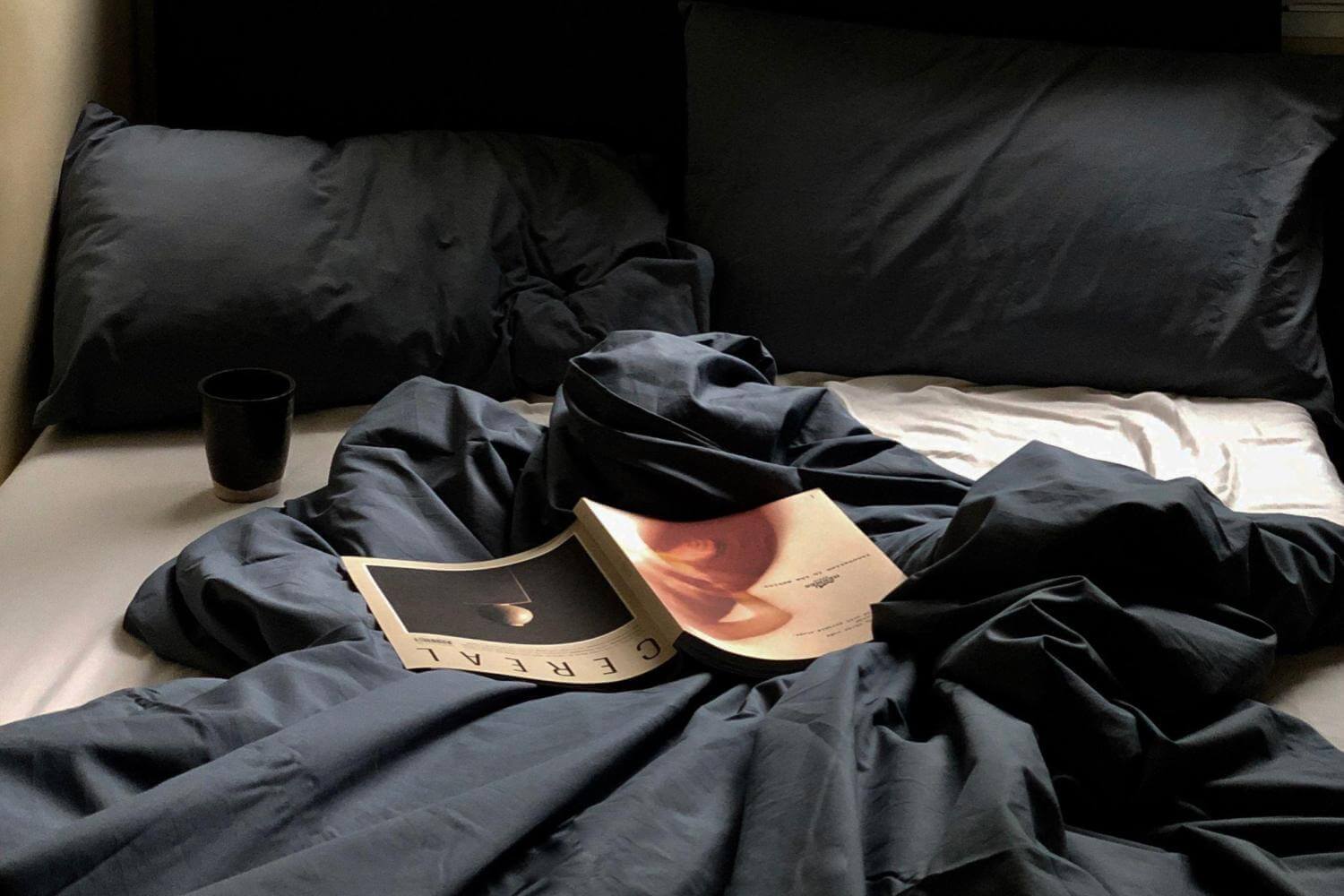
The bedding industry protects its customers by typically packaging all bedding products in sealed plastic packaging. The problem with that is it can be difficult to know what it is you’re buying, what the sheets themselves will feel like. Even if you can get into the packaging, the way a sheet feels when it is new, and machine-folded into a tight space, can be quite different from the way it will feel on your bed, especially after it has been washed in your laundry machines. But is there anything the consumer can do about this? Yes, and it starts with learning about cotton terms and their meanings.
Types of Cotton
This knowledge starts with the type of cotton weave used to make the sheets. The style of weave has a huge effect on how the finished product will feel on your bed against your skin. It also affects the way your sheets look, as the light bounces off of it differently. Most of all, the weave affects the quality of your sleep, and that is worth getting the right one for you.
All bedable bedding is made from 100% cotton.
The two main types to choose from include percale cotton and sateen cotton. There is a lot of difference between these two, so let’s get into the details, starting with percale cotton.
What is Percale Cotton?
Percale weave uses a traditional pattern, with the threads criss-crossing, one over and one under. This is what we usually think of when we think of weaving for sheets.
Need a new pillowcase? Browse our range here.
What Does Percale Cotton Feel Like?
Because the weave follows the over-under patterns, the finish is smooth and flat, crisp and cool to the touch, and appears matt in the light, rather than shiny. High-quality percale sheets – yes, keep in mind that even within each category, there are other factors that change the quality level – will use fine yarns and long staple cotton fibres. At bedable, we also ensure our sheets are 400 thread-count. This increases the comfortable feel of the sheet and keep it feeling breathable. Higher thread counts, or sheets made using short staple cotton, will feel denser and heavier, if that is your preference.
What Does Percale Mean?
All percale means is that the weave pattern is one over, one under, in a criss-cross pattern. This is the warp and weft style that has been used for thousands of years and remains one of the best patterns. If you like a crisp, cool feel to your sheets, this is the one to choose.
Will Percale Suit Me?
Boutique hotels use this kind of sheet, so that should give you a good frame of reference. They tend to feel great to the touch, cool when you slide into the bed, and will keep you cool while sleeping. The added benefit of these sheets for those who tend to ‘sleep hot,’ is that they are not only breathable, they also feel great against the skin if you strip off your clothing to keep cooler too.

Better Sheets, Better Sleep
bedable sheets are made from 100% Cotton.
Cotton absorbs perspiration and regulates
the body temperature for uninterrupted sleep.
Percale vs Sateen Sheets
We mentioned that we would be going over both major types of sheets, so let’s take a look now at the other big alternative: the sateen cotton sheet.
Sateen cotton is named for the sateen weave, which is similar to the one-over, one-under weave of percale, but is instead one over, and three under.
The result of this is a silky hand feel, a lot of softness, and more initial sheen, though this fades some over time. Sometimes sateen sheets are even mistaken for silk, as some of the attributes are similar. Sateen is, however, 100% cotton. The drape of sateen sheets is heavier than that of percale, and the sheets feel a bit warmer to the touch, so they are better for those sleepers who tend to get colder at night.
The decision to go with percale or sateen comes down mainly to preference, as each one is about the same price as the other at a given quality level.
Did you know, here at bedable, you can choose between either fitted or flat bed sheets.
Why Choose Percale Sheets?
Most people choose the percale sheets, as they don’t have a noticeable feature that tends to put people off. Sateen sheets, on the other hand, are shinier, and people tend to love the sine, or hate it. Hotels therefore generally go with percale sheets so as not to alienate those who dislike the shine. Sateen sheets do, however, have a very luxurious feel and a slightly heavier drape, which feels very opulent.
All of our bedding is available in Double, King Size, and Super King.
Our most popular set colours are navy blue, dark green, light grey, and white.
Understanding Percale Cotton
Percale cotton is defined by its distinctive weaving technique, which involves a simple crisscross pattern. This method, known as a plain weave, consists of one thread woven over and one thread woven under, resulting in a fabric that is both durable and breathable. The origins of percale can be traced back centuries, and it has remained a popular choice for bedding due to its crisp texture and lightweight feel.
The Weaving Process
The weaving process of percale cotton is fundamental to its appeal. The tight construction of the threads creates a smooth surface that is not only visually appealing but also functional. This weave allows for better air circulation, making percale sheets an excellent choice for those who tend to sleep hot. The result is a fabric that feels cool to the touch, providing a refreshing sleep experience.
Characteristics of Percale Cotton
Percale cotton is often described as having a matte finish, which contributes to its classic and timeless aesthetic. Unlike sateen, which has a lustrous sheen, percale offers a more understated elegance. The fabric is lightweight yet strong, making it suitable for year-round use. Additionally, percale cotton tends to become softer with each wash, enhancing its comfort over time.
Benefits of Percale Cotton Bedding
Choosing percale cotton bedding comes with a host of advantages that can significantly enhance your sleep quality. Here are some of the key benefits:
Durability
One of the standout features of percale cotton is its durability. The tight weave not only contributes to its strength but also helps resist wear and tear. High-quality percale sheets can last for years, making them a worthwhile investment for your bedding collection.
Breathability
Percale cotton is renowned for its breathability, allowing air to circulate freely through the fabric. This characteristic is particularly beneficial for individuals who tend to overheat during the night. The cool, crisp feel of percale sheets can help regulate body temperature, ensuring a comfortable sleep environment.
Hypoallergenic Properties
For those with allergies or sensitive skin, percale cotton is an excellent choice. The natural fibres are less likely to trap dust mites and allergens, promoting a healthier sleeping environment. This makes percale bedding suitable for individuals with respiratory issues or skin sensitivities.
Easy Maintenance
Caring for percale cotton bedding is relatively straightforward. Most percale sheets can be machine-washed and dried, and they tend to resist wrinkling better than other fabrics. This ease of maintenance makes percale a practical option for busy households.
Choosing the Right Thread Count
When selecting percale cotton sheets, thread count is an important factor to consider. Thread count refers to the number of threads woven into one square inch of fabric. While higher thread counts are often associated with softness, it’s essential to find a balance that suits your preferences.
Ideal Thread Count Range
For percale cotton, a thread count between 200 and 400 is generally recommended. Sheets within this range offer a good combination of softness and durability. Lower thread counts may feel thinner, while excessively high counts can lead to a stiffer fabric that lacks the desired drape.
The Importance of Staple Length
The length of the cotton fibres used in percale sheets also impacts their quality. Long-staple cotton, such as Egyptian or Pima cotton, is preferred for its smoothness and strength. When shopping for percale bedding, look for products made from long-staple cotton to ensure a luxurious feel and longevity.
Care Instructions for Percale Cotton Bedding
To maintain the quality and appearance of your percale cotton bedding, proper care is essential. Here are some tips to help you keep your sheets in excellent condition:
Washing Guidelines
Most percale cotton sheets can be washed in a machine using a gentle cycle with cold or warm water. It’s advisable to use a mild detergent to avoid damaging the fibres. Avoid using bleach, as it can weaken the fabric and cause discolouration.
Drying Tips
After washing, percale sheets can be tumble-dried on a low heat setting. To minimise wrinkles, remove them from the dryer promptly and fold or place them on the bed immediately. Alternatively, line drying is an excellent option that can enhance the crispness of the sheets.
Ironing and Storage
If you prefer a perfectly smooth finish, you can iron your percale sheets on a low setting. However, many people appreciate the natural, slightly wrinkled look of percale, which adds to its charm. When storing your bedding, keep it in a cool, dry place to prevent moisture buildup and mildew.
Comparing Percale and Sateen
While percale cotton is a popular choice, it’s essential to understand how it compares to other fabric types, particularly sateen. Both percale and sateen are made from cotton, but their weaving techniques result in different textures and characteristics.
Percale vs. Sateen
-
Weave: Percale features a one-over-one-under weave, while sateen has a three-over-one weave, resulting in a smoother surface.
-
Feel: Percale is crisp and cool, whereas sateen is soft and silky.
-
Temperature Regulation: Percale is more breathable, making it ideal for warm climates, while sateen provides warmth and comfort in cooler conditions.
Personal Preference
Ultimately, the choice between percale and sateen comes down to personal preference. If you enjoy a fresh, crisp feel, percale cotton is likely the better option. Conversely, if you prefer a softer, more luxurious texture, sateen may be more appealing.
The Aesthetic Appeal of Percale Cotton
In addition to its practical benefits, percale cotton bedding offers a timeless aesthetic that can enhance any bedroom decor. The matte finish and crisp lines of percale sheets create a clean and sophisticated look.
Versatile Design Options
Percale cotton is available in a wide range of colours and patterns, making it easy to find the perfect match for your bedroom. Whether you prefer classic white, soft pastels, or bold prints, there’s a percale option to suit your style.
Layering for Style
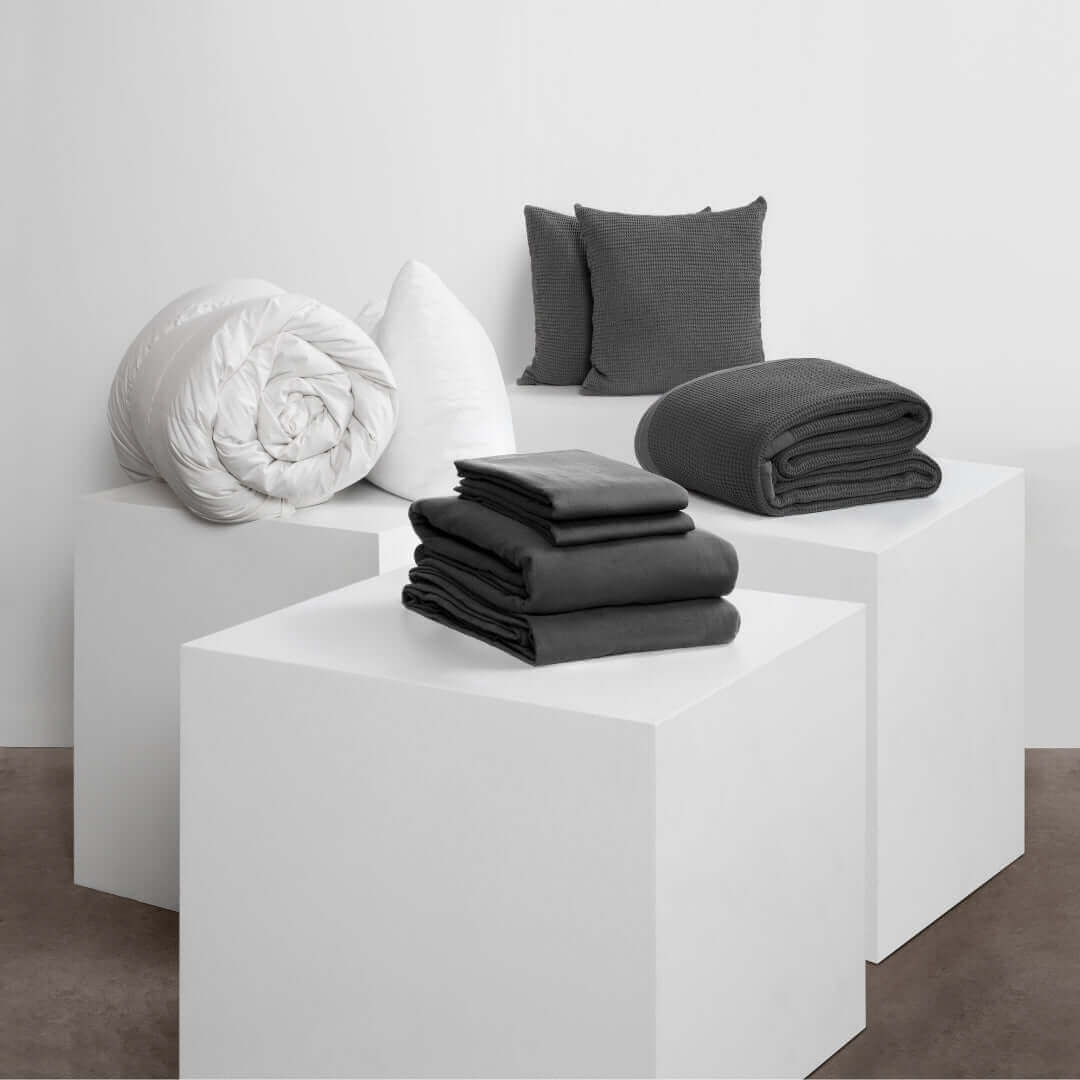
To create a visually appealing bed, consider layering your percale sheets with complementary bedding items. Adding a textured throw blanket or decorative pillows can elevate the overall look while maintaining the comfort of your percale cotton sheets.
Sustainability and Ethical Considerations
As consumers become more conscious of their environmental impact, the demand for sustainable bedding options has increased. Percale cotton can be a more eco-friendly choice, especially when sourced from organic farms.
Organic Percale Cotton
Opting for organic percale cotton bedding ensures that the cotton is grown without harmful pesticides and chemicals. This not only benefits the environment but also contributes to healthier indoor air quality.
Supporting Ethical Practices
When purchasing percale cotton sheets, consider brands that prioritise ethical manufacturing practices. Look for certifications such as GOTS (Global Organic Textile Standard) to ensure that your bedding is produced responsibly.
Conclusion
In summary, percale cotton bedding is a fantastic choice for those seeking a combination of comfort, durability, and style. Its unique weaving technique, breathable properties, and easy maintenance make it an ideal option for a restful night’s sleep. Whether you prefer the crisp feel of percale or the luxurious softness of sateen, understanding the differences and benefits of each fabric will help you create the perfect sleep environment. With the right care and attention, your percale cotton sheets can provide you with years of comfort and enjoyment.
People Also Asked
What is the difference between cotton and percale cotton?
Cotton refers to the fibre, while percale describes the weave. Percale cotton uses a specific tight weave that results in a crisp, cool feel. All percale sheets are cotton, but not all cotton sheets are percale.
What are the disadvantages of percale sheets?
Percale sheets can be prone to wrinkling and may feel slightly rough initially. They might also feel too cool for those who prefer warmer bedding and can be noisy when new.
What is cotton percale good for?
Cotton percale is excellent for hot sleepers and warm climates. Its crisp, cool feel and breathability make it ideal for maintaining comfort during sleep, especially in summer months.
Is cotton percale better than linen?
Neither is definitively better; it depends on preference. Percale is smoother and crisper, while linen is more textured and exceptionally breathable. Percale wrinkles less but may not be as cool as linen.
Is percale hotter than cotton?
Percale is a type of cotton weave, not hotter than other cotton types. In fact, percale is known for its cool, crisp feel, making it a popular choice for hot sleepers.
Do hotels use percale or sateen?
Most hotels prefer percale sheets due to their crisp, cool feel and durability. Percale's tight weave withstands frequent washing, making it ideal for the hospitality industry.
What is the best thread count for percale cotton?
The ideal thread count for percale cotton sheets ranges from 200 to 400. This range offers the perfect balance of softness, durability, and breathability without compromising the characteristic crisp feel.
Why is percale so expensive?
Percale can be expensive due to its high-quality, long-staple cotton and the tight weave that requires more threads per square inch. The durability and luxurious feel also contribute to its higher price point.
Why are percale sheets so noisy?
Percale sheets can be noisy due to their crisp nature and tight weave. This characteristic is more noticeable when the sheets are new and tends to diminish with use and washing.
How to tell if sheet is percale?
Percale sheets have a matte finish and feel crisp and cool to the touch. They're tightly woven and when held up to light, appear uniform without a sheen.
How to wash cotton percale?
Wash cotton percale in cool or warm water with a mild detergent. Avoid using fabric softeners as they can reduce breathability. Tumble dry on low heat or line dry for best results.
Which is better, percale or sateen?
Neither is definitively better; it depends on preference. Percale is crisp and cool, ideal for hot sleepers, while sateen is silky and warm, perfect for those who prefer a luxurious feel.
How long do cotton percale sheets last?
With proper care, high-quality cotton percale sheets can last 5 to 10 years. Their durability is one of the reasons they're popular in hotels and households alike.
How do you know if bed sheets are good quality?
Good quality bed sheets have a consistent weave, feel substantial to the touch, and improve with washing. Check the fibre content, thread count (200-400 for percale), and finish for indicators of quality.
Which is better, Egyptian cotton or percale?
Egyptian cotton refers to the cotton type, while percale is a weave. Egyptian cotton percale combines the best of both: high-quality, long-staple fibres in a crisp, cool weave.
What is the best brand of percale sheets?
While "best" is subjective, well-regarded percale sheet brands include Brooklinen, Parachute, and The White Company. These brands are known for their quality, durability, and comfort.
Does percale make you sweat?
Percale is less likely to make you sweat due to its breathable and moisture-wicking properties. The crisp, cool feel of percale makes it an excellent choice for hot sleepers or warm climates.
What are the pros and cons of percale cotton?
Pros of percale cotton include its crisp feel, breathability, and durability. Cons include a tendency to wrinkle, potential initial roughness, and a cool feel that might not suit everyone.
Why do hotel sheets feel so good?
Hotel sheets feel good due to their high-quality materials, often percale weave, and professional laundering. Hotels typically use sheets with an optimal thread count and replace them frequently, ensuring a consistently luxurious feel.
What wrinkles more, percale or sateen?
Percale sheets tend to wrinkle more than sateen. The crisp nature of percale makes it more susceptible to creasing, whilst sateen's smoother surface resists wrinkles better.
Which is better, percale or linen?
Percale and linen have distinct qualities. Percale is smoother and crisper, whilst linen is more textured and exceptionally breathable. Linen is cooler but wrinkles easily, whereas percale is more wrinkle-resistant.

Share:
Switch to Summer Bed Sheets to Sleep Better in the Heat
Cotton vs Linen Bedding