

You feel good about upgrading your bedroom -- and that includes your sheets. And when you look at sheet options, you can't help but to see that they all have varying thread counts.
You're looking for the cream of the crop in sheets, but you're not exactly sure how to pick it? What is thread count? And what is the best thread count for sheets?
Here's a look at everything you need to know about what thread count means and why it matters so that you can have a luxuriously comfortable bed. Let's jump in (so to speak)!
What Is Thread Count?
The thread count of your sheets refers to the quantity of vertical and horizontal threads present in a single square inch of your sheet's cotton.
The reality is, a limited quantity of threads can fit into each fabric square inch. The quantity will depend on how thick the yarns are. However, this number is typically between 300 and 400.
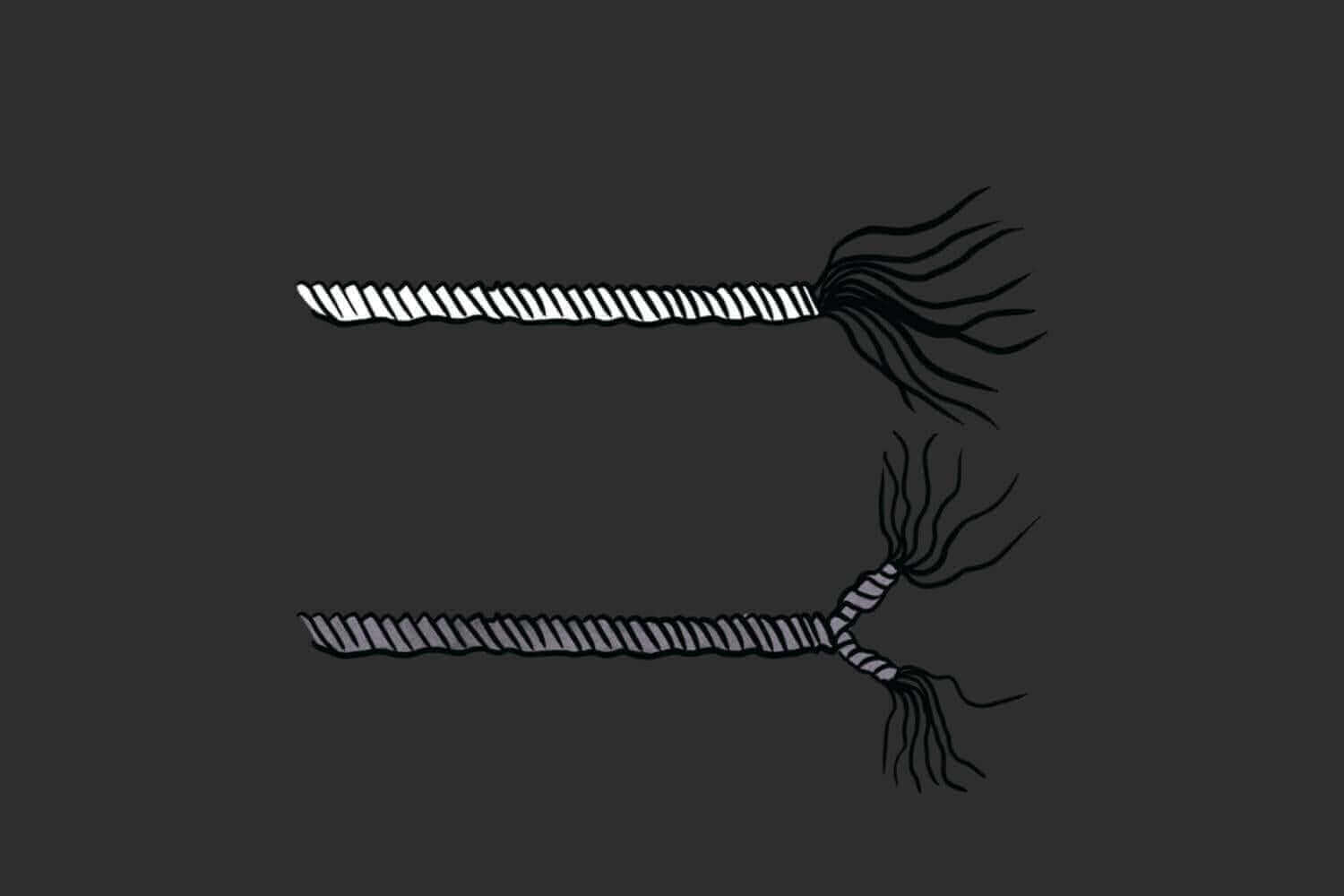
Some retailers offer bedding with higher thread numbers to make their sheets look more valuable. And, of course, these sheets come with higher prices. However, these high-thread-count sheets simply use multi-ply yarn to achieve this effect. And the single-play year construction found in 300- or 400-thread-count sheets can actually lead to longer-lasting, softer and breathable bed sheets versus multi-ply yarn.
Is Higher Thread Count Bedding Better?
Not necessarily. The thread count of the sheets you choose is just one component in deciding how high-quality your cotton sheets are. Generally, a good thread count is 200 to 400, as sheets within this thread count range can easily be utilised to create luxury bedding.
Other essential factors to consider include the quality of your sheets. Long-staple cotton makes for sheets that are soft and durable compared with their short-staple counterparts. Therefore, they can help you to get a good night's rest.
Also, search for sheets whose cotton comes from places like Portugal. In Portugal, local families have been running cotton mills for generations. As a result, they have top-level expertise and high-level standards in the sheet production world. And you will definitely feel the difference when you lie down each night.
Also, make sure that the sheets you purchase are made without using harmful chemicals, like dyes and bleaches. These chemicals are hazardous to the environment and to the user of the sheets as well.
How We Can Help
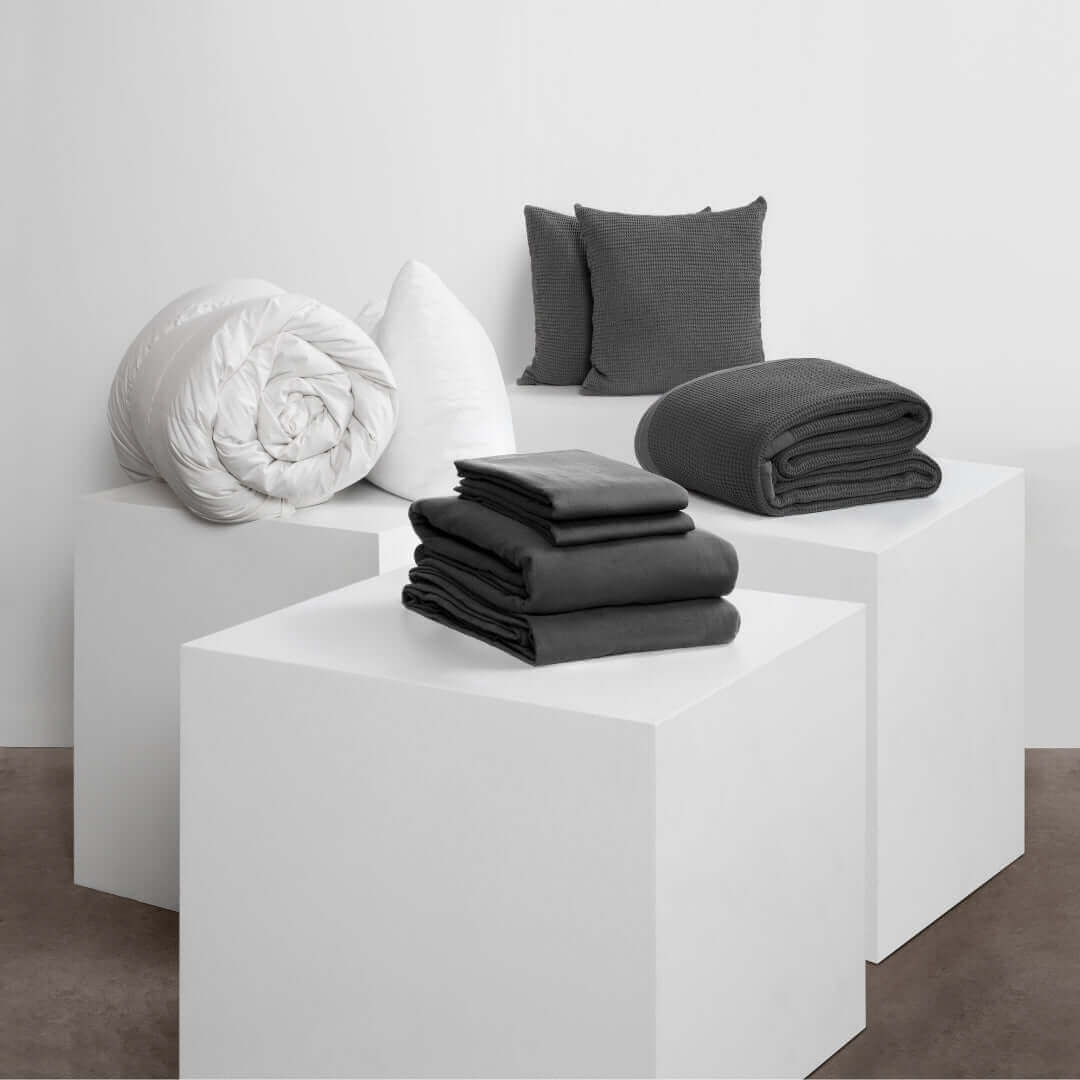
In addition to answering the question "What is thread count?" we offer three top-of-the-line, 400-thread-count bedding sets. Thus, we allow you to choose the set that suits your unique needs.
All of our sets are fabricated with the finest cotton fibres. This makes our bedding moisture-absorbing and breathable, thus helping to regulate your nighttime body temperature and boost your sleep quality.
We never use harmful chemicals or polyester in our sheets. Get in touch with us to learn more about how our bedding can take your sleeping experience to a whole new level in the nights ahead.
Read our full Bedding Buying Guide.
The Ultimate Guide to Choosing the Best Thread Count for Bed Sheets
When it comes to creating a restful sanctuary in your bedroom, the choice of bed sheets plays a pivotal role. Among the myriad of factors to consider, thread count often stands out as a key consideration. However, the question remains: what thread count is truly best for bed sheets? This comprehensive guide will delve into the intricacies of thread count, helping you make an informed decision for your sleep environment.
Understanding Thread Count
Thread count refers to the total number of threads woven into a square inch of fabric, encompassing both the vertical (warp) and horizontal (weft) threads. This measurement serves as an indicator of fabric density and can influence the overall feel and durability of the sheets. However, it is essential to note that thread count is primarily applicable to cotton sheets, while other materials may use different metrics to assess quality.
The Importance of Thread Count
While a higher thread count is often associated with softer and more durable sheets, it is not the sole determinant of quality. The type of material used, the weaving technique, and the finishing processes also significantly impact the overall performance of bed sheets. Therefore, while thread count is a valuable metric, it should not be the only factor guiding your purchase.
Common Misconceptions
Many consumers believe that a higher thread count automatically equates to superior quality. However, this is not always the case. Some manufacturers may inflate thread counts by using lower-quality threads or twisting multiple threads together, resulting in sheets that feel heavy and less breathable. Understanding these nuances is crucial when selecting the right sheets for your needs.
Ideal Thread Count Ranges
Determining the best thread count for your bed sheets can be subjective, as personal preferences and sleeping habits vary. However, general guidelines can help you navigate the options available.
Recommended Ranges
-
200-300 Thread Count: This range is often ideal for those who prefer a more textured feel. Sheets within this category can be breathable and comfortable, making them suitable for warmer climates.
-
300-600 Thread Count: Sheets in this range typically offer a balance of softness and durability. They are often considered luxurious and are suitable for year-round use.
-
600+ Thread Count: While sheets with a thread count above 600 may sound appealing, they can sometimes be overly dense and less breathable. This range is best suited for cooler climates or individuals who prefer a heavier feel.
Factors Influencing Your Choice
When selecting the right thread count, consider the following factors:
-
Personal Preference: Do you prefer a crisp, cool feel or a soft, silky texture? Your personal comfort should guide your choice.
-
Climate: If you live in a warmer area, opt for lower thread counts that promote breathability. Conversely, if you reside in a cooler climate, higher thread counts may provide the warmth you desire.
-
Mattress Type: The type of mattress you have can also influence your choice. For instance, memory foam mattresses may require sheets with a higher thread count to prevent sticking.
The Role of Fabric Quality
While thread count is important, the quality of the fabric used is equally crucial. High-quality materials can enhance the overall feel and durability of your sheets.
Types of Fabrics
-
Cotton: Renowned for its breathability and softness, cotton is a popular choice for bed sheets. Look for long-staple cotton varieties, such as Egyptian or Pima cotton, which offer superior quality.
-
Bamboo: Bamboo sheets are known for their moisture-wicking properties and natural breathability. They can be an excellent choice for those who tend to sleep hot.
-
Linen: Linen sheets are naturally breathable and perfect for warmer climates. They may have a lower thread count but still provide exceptional comfort.
Weaving Techniques
The weaving technique used can also impact the feel of the sheets. Common weaves include:
-
Percale: This weave creates a crisp, matte finish and is ideal for those who prefer a lightweight feel.
-
Sateen: Sateen weaves result in a silky, smooth texture with a slight sheen, making them a luxurious option.
Evaluating Workmanship
The quality of craftsmanship in bed sheets can significantly affect their longevity and performance. When shopping for sheets, pay attention to the following aspects:
Seams and Stitching
Inspect the seams and stitching to ensure they are well-constructed. High-quality sheets will have reinforced seams that can withstand regular use without fraying or tearing.
Elasticity
For fitted sheets, check the elastic around the edges. A strong, durable elastic will help keep the sheets securely in place on your mattress.
The Impact of Care and Maintenance
Proper care can extend the lifespan of your bed sheets, ensuring they remain comfortable and visually appealing.
Washing Guidelines
-
Temperature: Wash sheets in cold water to prevent shrinking and fading. Hot water can weaken the fibres over time.
-
Detergent: Use a mild detergent to maintain the integrity of the fabric. Avoid harsh chemicals that can break down natural fibres.
Drying Techniques
-
Air Drying: Whenever possible, air-dry your sheets to preserve their quality. This method is gentler on the fabric and helps prevent wear and tear.
-
Tumble Drying: If you must use a dryer, opt for a low heat setting and remove the sheets promptly to prevent wrinkles.
The Importance of Reviews
When purchasing bed sheets online, it can be challenging to assess quality without physically inspecting the product. This is where customer reviews come into play.
What to Look For
-
Durability: Pay attention to reviews that mention how well the sheets hold up after multiple washes.
-
Comfort: Look for feedback on the softness and overall comfort of the sheets, as this can vary significantly between brands.
Choosing the Right Colour and Pattern
While comfort and quality are paramount, the aesthetic appeal of your bed sheets should not be overlooked. Choose colours and patterns that complement your bedroom décor and reflect your personal style.
Coordinating with Your Bedroom
-
Neutral Tones: Opt for neutral colours for a timeless look that can easily blend with various styles.
-
Bold Patterns: If you prefer a more vibrant aesthetic, consider bold patterns that can serve as a focal point in your bedroom.
Conclusion
Selecting the best thread count for your bed sheets involves careful consideration of various factors, including personal preferences, climate, and fabric quality. While thread count is an important metric, it should not be the sole determinant of your choice. By understanding the nuances of thread count, fabric types, and craftsmanship, you can create a sleep environment that promotes comfort and relaxation. Remember to care for your sheets properly to ensure they remain in excellent condition for years to come. With the right knowledge and attention to detail, you can transform your bed into a luxurious haven for restful sleep.
People Also Asked
What thread count is best?
The best thread count typically ranges from 300 to 600. This range offers a balance of softness, durability, and breathability without excessive cost.
Which is better, 200 or 400 thread count?
A 400 thread count is generally better than 200, offering increased softness and durability. However, fabric quality is equally important as thread count.
What is the best number of thread count?
The optimal thread count is around 400 to 500. This range provides excellent comfort and longevity without compromising breathability or affordability.
What is threadcount?
Thread count refers to the number of threads woven into one square inch of fabric, counting both vertical and horizontal threads. It's a measure of fabric density.
What is 240 TC cotton mean?
240 TC cotton means there are 240 threads per square inch of fabric. This is considered a moderate thread count, offering reasonable quality at an affordable price.
Which thread is the strongest?
Nylon is generally considered the strongest thread. For natural fibres, silk is exceptionally strong, while high-quality cotton threads offer a good balance of strength and versatility.
What sheets do 5 star hotels use?
Five-star hotels often use sheets with a thread count between 300 and 600, made from high-quality, long-staple cotton such as Egyptian or Supima cotton.
How much thread count is luxury?
Luxury sheets typically have a thread count between 600 and 800. However, true luxury lies in the quality of the cotton rather than an extremely high thread count.
How to check thread count in bedsheet?
To check thread count, look at the product label or packaging. For a manual check, use a magnifying glass to count threads in a one-inch square of the fabric.
How to tell if sheets are good quality?
Good quality sheets have a smooth, crisp feel and become softer with washing. Check for tight, even weaves, and consider the cotton type and thread count.
What thread count is good for hair?
For hair protection, a thread count of 300 to 600 is ideal. This range provides a smooth surface that reduces friction and helps prevent hair breakage.
How to choose a bedsheet?
Choose bedsheets based on fabric quality, thread count, and weave. Consider your climate, personal preferences for texture, and budget when making your selection.
Which is the best thread count?
The best thread count is typically between 400 and 600. This range offers an excellent balance of softness, durability, and breathability for most sleepers.
What is GSM in fabric?
GSM stands for Grams per Square Metre. It measures the weight and density of fabric, indicating its thickness and warmth. Higher GSM generally means heavier fabric.
Are 100 cotton sheets good?
Yes, 100% cotton sheets are excellent. They're breathable, durable, and become softer with each wash. They're ideal for those who prefer natural fibres.
Is TC cotton 100% cotton?
TC stands for Thread Count, not a type of cotton. TC cotton can be 100% cotton, but it's important to check the product details for the exact material composition.
What is the highest quality of cotton?
The highest quality cotton is typically long-staple varieties like Egyptian, Pima, or Supima cotton. These produce softer, stronger, and more durable fabrics.
Is 240 GSM cotton thick?
240 GSM cotton is considered medium-weight. It's not particularly thick but offers a good balance of durability and comfort for everyday use.
How to choose thread type?
Choose thread type based on your project needs. Consider factors like strength, colour fastness, and fibre content. Cotton is versatile, while polyester offers strength and stretch.
Which thread is long-lasting?
Polyester thread is known for its longevity. For natural fibres, high-quality cotton thread offers a good balance of durability and natural feel.
Does thread size matter?
Yes, thread size matters. It affects the strength and appearance of seams. Thicker threads are stronger but more visible, while finer threads create smoother seams.
Which is better, 600 or 1000 thread count?
A 600 thread count is often better than 1000. Extremely high thread counts can result in less breathable fabric and may not significantly improve comfort or durability.
What type of sheet is best?
The best type of sheet depends on personal preference. 100% cotton sheets with a thread count between 400-600 are widely considered excellent for their balance of comfort and durability.
Is 1500 thread count too high?
Yes, 1500 thread count is generally too high. Such high counts often use lower-quality threads or manipulated numbers. They may feel heavy and less breathable.

Share:
How to Add Some Spa Magic to Your Bathroom?
Switch to Summer Bed Sheets to Sleep Better in the Heat