

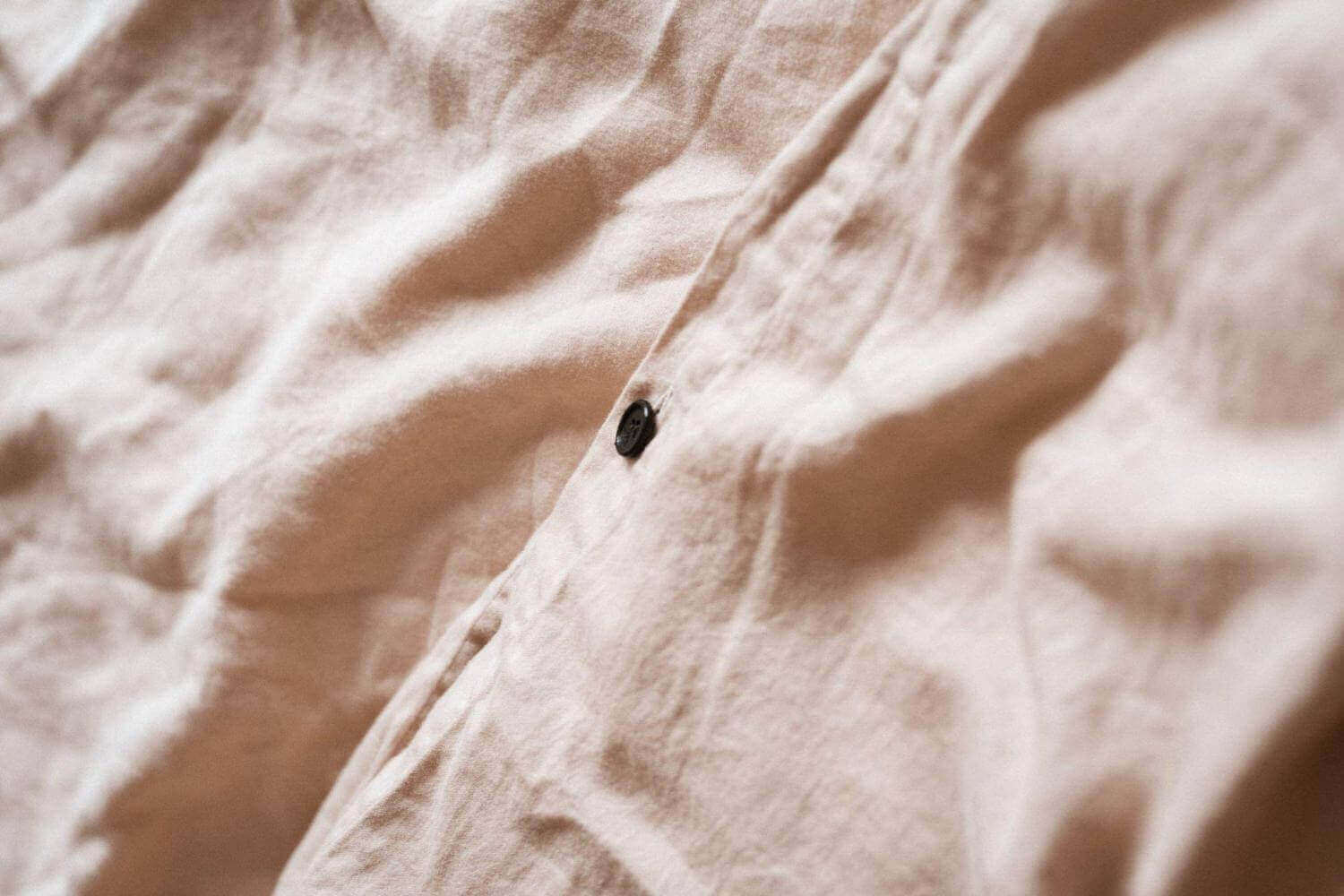
Life is hectic. We get it. We've all left our bedding in the washing machine from time to time, rushing out the door and then remembering when we come back home. Unfortunately, those hours of tangled fabric left in the machine can result in creases in our bedding.
Don't worry. The simplest solution is to rewash them. But when you do, remember cotton creases most when scrunched or twisted. Follow the tips below to keep it smooth and wrinkle-free. You might not even need to iron!
Washing Tips for Wrinkle-Free Bedding
- Untangle your bedding before placing it in the washing machine.
- Wash bedding separately with plenty of room in the machine.
- Avoid overloading with other items. Squashed bedding means creases.
- Remove promptly at the end of the washing cycle. If it dries inside the machine, creases will set.
- Wash at a low temperature.
Drying Tips for Wrinkle-Free Bedding
- Air dry if possible. Hanging sheets on the line leaves them smooth and flat. The weight of the water means gravity does much of the work for you.
- If air drying isn't an option, tumble dry on low heat. For best results, remove bedding from the tumble dryer while still a little damp. Put it back on the bed or iron while slightly damp.
Ironing Tips for Wrinkle-Free Bedding
If you have time to iron, it's worth doing so. It will smooth out stubborn creases and leave your bedding looking brand new.
- Iron sheets while they're still a little damp. This makes ironing easier and quicker. If your sheets dry while tangled or squashed, they will be difficult to iron.
- Invest in a good iron. A steam iron is worth the money. You might even enjoy using it. One we love: Philips PerfectCare Steam Iron
- Use a wide ironing board. The greater the surface area, the easier it is to remove creases.
If your bedding comes out of the wash full of wrinkles, rewash it following the steps above. Let the machine redo the work for you. It's easier than trying to iron out a sheet full of creases.

Non-Iron Bedding
Our washed cotton collection is designed
to look good even without ironing.
Effortless luxury.
How to Keep Your Bedding Wrinkle-Free
Here are some tips to keep your bedding wrinkle-free.
- Make your bed every morning. Get into the habit. It prevents creases from developing and setting in throughout the day. Leaving your bed sheets crumpled in a pile means they are much more likely to wrinkle than if you take the time to smooth down your duvet cover and pillowcases.
- Spritz your sheets with water. Once you've made your bed, gently spritz tap water across your sheets and duvet cover. It's a quick way of keeping your bed looking sharp. The water helps creases to smooth. Once dry, you'll have gloriously crisp sheets.
- Wash your bedding regularly. Washing your sheets every week is good for cleanliness and hygiene. It also helps remove stubborn creases and lines. Be careful when loading your washing machine: follow the steps above!
Preparing Your Bed Sheets for Wrinkle Removal
Preparing bed sheets for wrinkle removal is a crucial first step. It's important to start with sheets that have been freshly washed and dried. If they're straight out of the tumble dryer, aim to remove them promptly to prevent the formation of deep-set wrinkles. A gentle shake or two before folding can reduce creasing right away.
One effective strategy is to assess the fabric type of your sheets, as different materials require different handling. Natural fibres like cotton and linen tend to wrinkle more easily, while synthetic blends may resist creasing. Understanding the composition of your sheets will guide you in choosing the most effective wrinkle removal method.
Another key aspect of preparation is ensuring your ironing board or surface is clean and ready. Preparing your tools and environment beforehand can make the wrinkle removal process smoother and more efficient. Having everything in place allows you to focus on the task without unnecessary interruptions.
Effective Techniques for Removing Wrinkles from Bed Sheets
When it comes to learning how to remove wrinkles from bed sheets, several techniques can be employed for effective results. Ironing is a traditional method, but it requires patience and precision. Using a steam iron can be particularly effective for stubborn wrinkles, as the heat and moisture combination works wonders on creases.
Another technique is to use a damp cloth. Place the cloth over the wrinkled area and use a warm iron to press over it. The moisture from the cloth, combined with the heat from the iron, can help lift wrinkles away from the fabric. This method is excellent for tackling small, stubborn areas without re-ironing the entire sheet.
For those who prefer not to iron, consider using a wrinkle-release spray. These sprays are designed to relax the fibres of the fabric, allowing wrinkles to fall away naturally. Simply spray the sheet lightly, smooth it out by hand, and let it dry. It's a quick and easy solution, especially useful for those with limited time.
The Role of Ironing in Bed Sheet Care
Ironing plays a significant role in maintaining the appearance and longevity of your bed sheets. While it can be seen as a tedious chore, it offers numerous benefits, such as restoring smoothness and enhancing the sheet's aesthetic appeal. Proper ironing can also help to sanitise the fabric, as the heat kills bacteria and dust mites.
Understanding the settings on your iron is essential for optimal results. For cotton sheets, a higher temperature setting is generally suitable, while delicate fibres like silk require a lower heat to prevent damage. Always refer to the care label on your sheets to determine the appropriate setting.
Moreover, ironing can help in setting the fibres of the fabric, making them less prone to wrinkling in the future. By regularly ironing your sheets, you can maintain their crispness and extend their lifespan. It's a worthwhile investment in your bedding's upkeep.
Alternative Methods: Steam and Spray Solutions
If ironing isn't your preferred method, there are alternative solutions available. Steamers are a great option for those seeking a gentler approach to wrinkle removal. Handheld steamers are particularly convenient, allowing you to quickly refresh your bed sheets without the hassle of setting up an ironing board.
Spray solutions, as mentioned earlier, are another effective method. These products are widely available and easy to use. Simply hang your sheets, spray a light mist over them, and smooth out the fabric with your hands. The moisture will help relax the fibres, allowing wrinkles to dissipate as the sheet dries.
For a homemade solution, mix water with a small amount of fabric softener or vinegar in a spray bottle. This can act as a natural wrinkle releaser. The vinegar helps relax the fibres, while the fabric softener adds a fresh scent. This eco-friendly solution is both economical and effective for those who prefer natural alternatives.
Preventing Wrinkles: Tips for Bed Sheet Maintenance
Prevention is often the best cure, and this is certainly true when it comes to bed sheet wrinkles. One of the simplest ways to prevent wrinkles is to remove sheets from the tumble dryer while they're still slightly damp. This allows you to smooth them out and either fold or hang them immediately, minimising creases.
Investing in a quality fabric softener can also help reduce wrinkling. Fabric softeners work by coating the fibres with a lubricant, making them less prone to creasing. Alternatively, dryer balls or clean tennis balls can be used in the tumble dryer to help reduce static and encourage even drying.
When storing sheets, folding them neatly can prevent unnecessary creasing. For fitted sheets, tuck the corners into each other to create a smooth surface. Flat sheets can be folded in thirds, then in half, to maintain their shape. Proper folding and storage techniques are essential for keeping your bed sheets wrinkle-free.
Choosing the Right Fabrics for Wrinkle-Free Bedding
Selecting the right fabric can play a significant role in maintaining wrinkle-free bed sheets. Cotton-polyester blends are popular due to their wrinkle-resistant properties. These blends combine the softness of cotton with the durability of polyester, offering a practical choice for those seeking low-maintenance bedding.
For an even more luxurious feel, consider Egyptian cotton or bamboo sheets. While they may require more care to maintain their wrinkle-free appearance, their softness and breathability make the effort worthwhile. These high-quality materials are often more resistant to wear and tear, providing long-lasting comfort.
When choosing fabrics, consider your personal preferences and lifestyle. If convenience is your priority, opt for wrinkle-resistant blends. However, if you value luxury and comfort, investing in natural fibres like linen or silk may be more appealing. Understanding your needs will help you make the best choice for your bedding.
The Importance of Proper Storage for Bed Sheets
Proper storage of bed sheets is essential for maintaining their appearance and longevity. Storing sheets in a cool, dry place can prevent the growth of mould and mildew, which can lead to unpleasant odours and deterioration of the fabric. Ensure that your storage area is well-ventilated and away from direct sunlight, which can cause fading.
To further protect your sheets, consider using breathable storage bags or boxes. These containers allow air circulation while keeping dust and pests away. Avoid plastic bags, as they can trap moisture and lead to mildew. Proper storage solutions are key to preserving the quality of your bed sheets.
Labelling your storage containers can also be beneficial. Clearly marking each container with the size and type of sheets inside can save time and effort when changing bedding. This simple step can make a significant difference in maintaining an organised and efficient linen cupboard.
Professional Services for Bed Sheet Care
For those who prefer to delegate bed sheet care, professional laundry services are a viable option. These services offer expert cleaning and pressing, ensuring your sheets are returned in pristine condition. Professional care can be particularly beneficial for high-end fabrics that require specialised handling.
When selecting a laundry service, consider their experience with different types of fabrics and their reputation for quality. Many services offer convenient pick-up and delivery options, making the process hassle-free. Professional care can be a valuable investment for those with busy lifestyles or for preserving delicate linens.
Additionally, some dry cleaners offer specialised services for bed linens, including stain removal and fabric protection treatments. These services can enhance the longevity and appearance of your sheets, providing peace of mind and ensuring a restful night's sleep.
Conclusion: Achieving Wrinkle-Free Bed Sheets with Ease
Achieving wrinkle-free bed sheets is entirely possible with a combination of proper care, effective techniques, and suitable fabric choices. By understanding how to remove wrinkles from bed sheets and employing the right methods, you can maintain a crisp and inviting bed. Whether you opt for ironing, steaming, or professional services, the key is consistency and attention to detail.
Incorporating preventative measures, such as proper storage and fabric selection, can further enhance the longevity and appearance of your sheets. Remember, the goal is to create a comfortable and aesthetically pleasing sleeping environment. A well-made bed with smooth, wrinkle-free sheets contributes significantly to this experience.
As you embark on your journey to achieving wrinkle-free bed sheets, consider sharing your insights and experiences with others. Engaging in a community dedicated to home care can provide additional tips and support. Let's embrace the art of bed sheet care together, ensuring a restful and rejuvenating sleep experience for all.
People Also Asked
How to get rid of creases in bedding?
To eliminate creases in bedding, remove the sheets promptly from the tumble dryer while they are still slightly damp. Smooth them out by hand or with a clean, dry towel before making the bed. For stubborn creases, use a wrinkle-release spray or hang the bedding in a steamy bathroom to naturally relax the fibres.
What is the best way to get wrinkles out of a duvet?
The most effective method to remove wrinkles from a duvet is to use a clothes steamer. Hold the steamer about 15 cm away from the fabric and move it in sweeping motions. Alternatively, toss the duvet in the tumble dryer with a damp towel for 15 minutes on medium heat to help relax the wrinkles.
Why do bed sheets get wrinkled?
Bed sheets wrinkle primarily due to the natural properties of the fabric, especially cotton and linen. Wrinkles form when the fabric is compressed or twisted, causing the fibres to bend and set in new positions. Factors like leaving sheets in the tumble dryer too long, using high heat, or not smoothing them out when making the bed can exacerbate wrinkling.
How do hotels keep sheets from wrinkling?
Hotels maintain wrinkle-free sheets through a combination of techniques. They use commercial-grade irons and presses, often employing large flatwork ironers for efficiency. Many hotels also opt for wrinkle-resistant fabrics or use fabric softeners to minimise wrinkles. Prompt removal from tumble dryers and immediate bed-making also helps prevent wrinkles from setting.
How to get wrinkles out of linen without ironing?
To remove wrinkles from linen without ironing, hang the item in a steamy bathroom for 10-15 minutes. Alternatively, spritz the fabric with water and smooth it out by hand. For larger items, tumble dry with a damp towel for a short time. Using a wrinkle-release spray can also be effective for quick touch-ups.
What makes sheets wrinkle-free?
Wrinkle-free sheets are typically made from specially treated fabrics or blends that resist creasing. Many manufacturers use a process that coats cotton fibres with a resin that helps them spring back into shape after washing. Sheets with a higher thread count or made from materials like microfibre or bamboo also tend to wrinkle less.
How to revive a duvet's appearance?
Revitalise your duvet by giving it a thorough wash and dry according to care instructions. Use tennis balls or dryer balls during drying to maintain loft. For added freshness, hang it outside on a sunny day. Fluff the duvet regularly and use a duvet cover to protect it from daily wear and tear. Consider steam cleaning to remove any stubborn wrinkles or odours.
Can you steam wrinkles out of linen?
Yes, steaming is an excellent method to remove wrinkles from linen. Use a handheld steamer or the steam setting on your iron, holding it about 15 cm away from the fabric. Move the steamer in long, sweeping motions. For best results, steam the linen while it's hanging, allowing gravity to help smooth out the wrinkles naturally.
How do I make my sheets not wrinkle?
To minimise sheet wrinkling, opt for wrinkle-resistant fabrics or higher thread count sheets. Remove the sheets from the tumble dryer while they are still slightly damp and immediately stretch and smooth them onto the bed. Use fabric softener or dryer sheets to reduce static and soften fibres. For a quick fix, lightly mist the sheets with water and smooth out wrinkles by hand when making the bed.
How to remove a permanent crease?
Removing a permanent crease requires persistence. Start by washing the item to relax the fibres. While damp, iron the crease in the opposite direction using high heat and steam. For stubborn creases, place a wet cloth over the area and iron. In extreme cases, you may need to use a commercial wrinkle remover or take the item to a professional cleaner.
How do hotels keep sheets white?
Hotels maintain white sheets through rigorous laundering processes. They use commercial-grade detergents and wash in very hot water. Many hotels employ multi-cycle washing and use peroxide-based laundry additives for extra whitening power. Regular replacement of linens and the use of professional laundering equipment also contribute to their pristine appearance.
How do you get wrinkles out of bedding?
To remove wrinkles from bedding, start by shaking out the items vigorously. Use a clothes steamer for quick and effective wrinkle removal. For a natural method, hang bedding in a steamy bathroom. If time allows, lightly dampen the bedding and tumble dry with dryer balls. For stubborn wrinkles, iron on the appropriate heat setting, using steam for best results.
How to keep 100% cotton from wrinkling?
While 100% cotton is prone to wrinkling, you can minimise creases by removing items from the tumble dryer while slightly damp and immediately smoothing them out. Use fabric softener or dryer sheets to reduce static. When ironing, use high heat and steam. For long-term wrinkle resistance, consider treating your cotton items with a starch spray before ironing.
What is the best material for wrinkle-free sheets?
The best materials for wrinkle-free sheets include microfibre, bamboo, and specially treated cotton blends. These fabrics naturally resist wrinkling or are engineered to spring back into shape after washing. High-quality polyester or polyester-cotton blends can also offer good wrinkle resistance while maintaining comfort and breathability.
How to remove wrinkles without an iron or steamer?
To remove wrinkles without an iron or steamer, try hanging clothes in a steamy bathroom. Alternatively, dampen the item and tumble dry with a damp towel. For quick fixes, use a wrinkle-release spray or make your own by mixing water with a small amount of fabric softener. Hanging clothes correctly and smoothing them out while they are still damp can also help prevent many wrinkles.
How to get wrinkles out of linen shorts?
For linen shorts, start by hanging them in a steamy bathroom to relax the fibres. Gently stretch and smooth the fabric while it is still damp. For quicker results, use a handheld steamer and move it in long, sweeping motions. If needed, lightly mist the shorts with water and use your hands to smooth out wrinkles, then allow them to air dry.
Can 100% linen be ironed?
Yes, 100% linen can be ironed, and it often benefits from ironing to remove stubborn wrinkles. Use a high heat setting with steam for best results. Iron linen while it's still slightly damp, or use a spray bottle to dampen dry fabric. Always iron on the wrong side of the fabric to prevent shine, and consider using a pressing cloth for delicate items.
What is the best way to wash bedding?
The best way to wash bedding is to use warm water and a mild detergent. Wash similar items together and avoid overloading the machine. For optimal cleanliness, use the highest water temperature safe for the fabric. Add white vinegar to the rinse cycle for extra softness and to remove odours. Dry on medium heat and remove promptly to minimise wrinkles.
Do all 100% cotton sheets wrinkle?
While all 100% cotton sheets are prone to wrinkling due to the nature of the fibre, the extent can vary. Higher thread count sheets and those made from long-staple cotton tend to wrinkle less. Some cotton sheets are treated with wrinkle-resistant finishes. To minimise wrinkles, remove sheets from the tumble dryer while slightly damp and immediately make the bed, smoothing as you go.
How to make homemade wrinkle release?
Create a homemade wrinkle release spray by mixing one part fabric softener with four parts water in a spray bottle. For a natural alternative, use one part white vinegar to three parts water, adding a few drops of essential oil for fragrance if desired. Shake well before each use and lightly mist the fabric, then gently stretch and smooth out wrinkles by hand.
What is the best spray to keep linen from wrinkling?
The best sprays for keeping linen wrinkle-free contain ingredients that relax and soften fibres. Look for products specifically designed for delicate fabrics like linen. Some effective options include The Laundress Crease Release and Faultless Premium Wrinkle Releaser. For a natural alternative, a mixture of water and a small amount of fabric softener can work well on linen.
What is a good alternative to wrinkle release spray?
A good alternative to wrinkle-release spray is a mixture of one part white vinegar to three parts water, stored in a spray bottle. This solution helps relax fabric fibres and remove odours. Another option is to use a damp towel in the tumble dryer with wrinkled items for a few minutes. For a quick fix, hanging clothes in a steamy bathroom can help release wrinkles effectively.



Share:
How Sunlight Affects Our Sleep Cycle?
Declutter for a Good Night’s Sleep